At the end of the intense cultural season in the autumnof 2025, we're going to Berlin.
There are two reasons for this: firstly, to see (from the inside) the Staads Opera in this city, and secondly, to attend the ballet performance "Swan Lake," which can be seen again and again.
"Staatsoper Unter den Linden (Berlin State Opera) – the oldest opera house in Berlin, located on Unter den Linden, the city's main historic street.
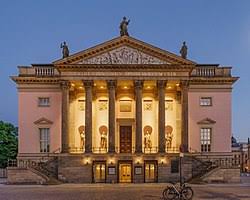
The cornerstone for the new Berlin Opera House was ceremonially laid on September 5, 1741, and on December 7, 1742, the city celebrated the opening of the Royal Court Theatre (Königlische Hofoper) – as the opera house was then called.
On August 18, 1843, at approximately 10:30 PM, a fire broke out in the opera house. Prince Wilhelm led the firefighting operation, with other princes also participating. The scores and instruments were saved, there were no injuries, and the theatre itself was rebuilt within a year.
The 20th century proved more challenging for the Staatsoper. On April 28, 1928, it opened its doors with the premiere of Mozart's The Magic Flute after a 12-year renovation and modernization. (...) However, On May 10, 1933, tragic events occurred: 25,000 books were burned on Opernplatz, and the artists themselves suffered repression. The Nazis opposed the performance of Kurt Weill's operas, and Jewish musicians were expelled from the opera house.
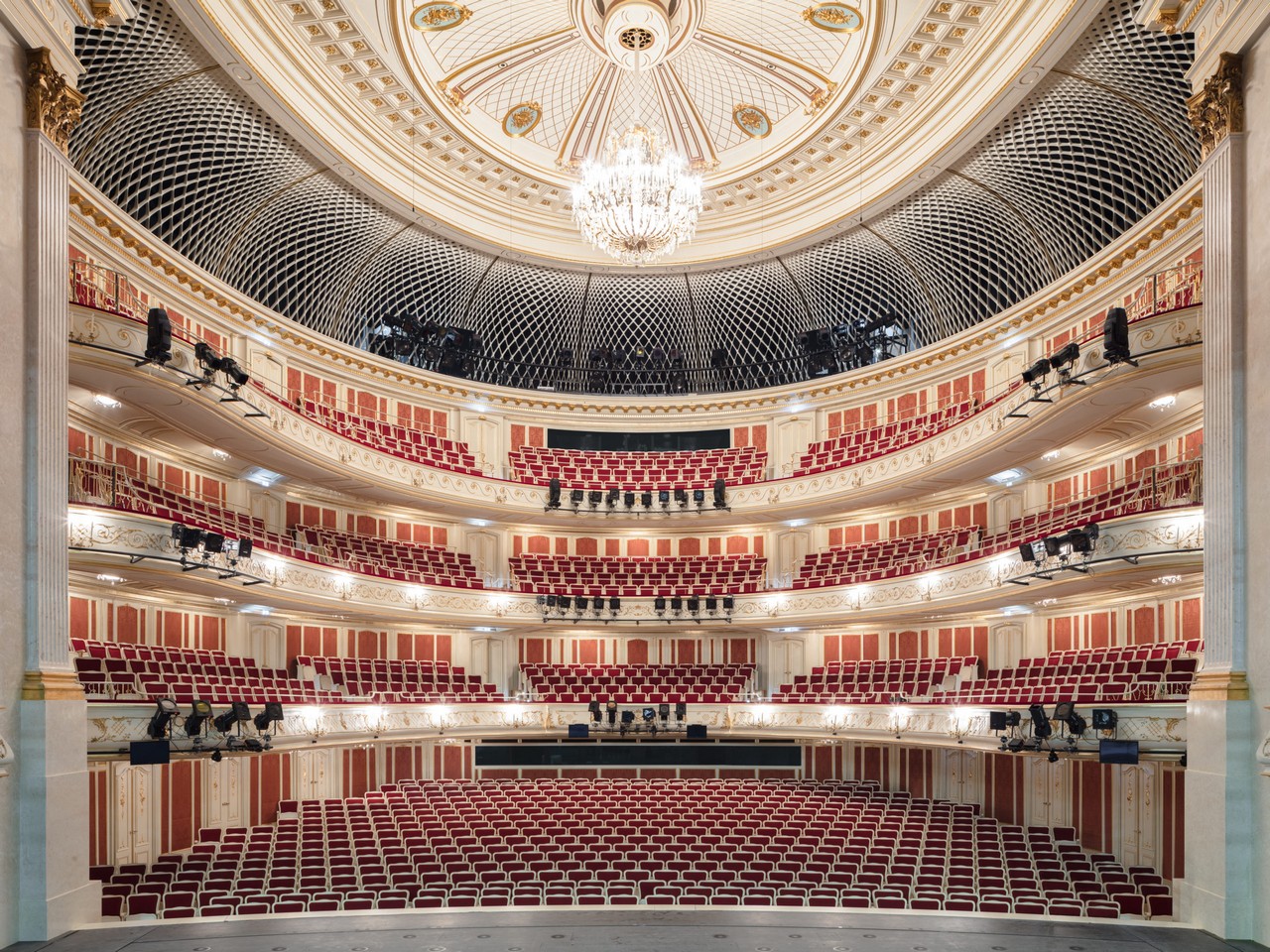
World War II also brought bombing raids, during which the opera house was twice destroyed. While the first time the Staatsoper was rebuilt as quickly as after the 19th-century fire, the second attempt took until 1955. After World War II, the opera house found itself in East Berlin, within the borders of the German Democratic Republic, and its name was changed to Deutsche Staatsoper Berlin. The opera house returned to its historical name after the fall of the wall dividing the city. (...)
In 2017, after seven years of renovation, the opera house reopened."
What is "Swan Lake" about?
/15.jpg)
Using the medium of classical dance, "Swan Lake" tells the story of Prince Siegfried and his love for the enchanted Princess Odette, trapped in the body of a swan.
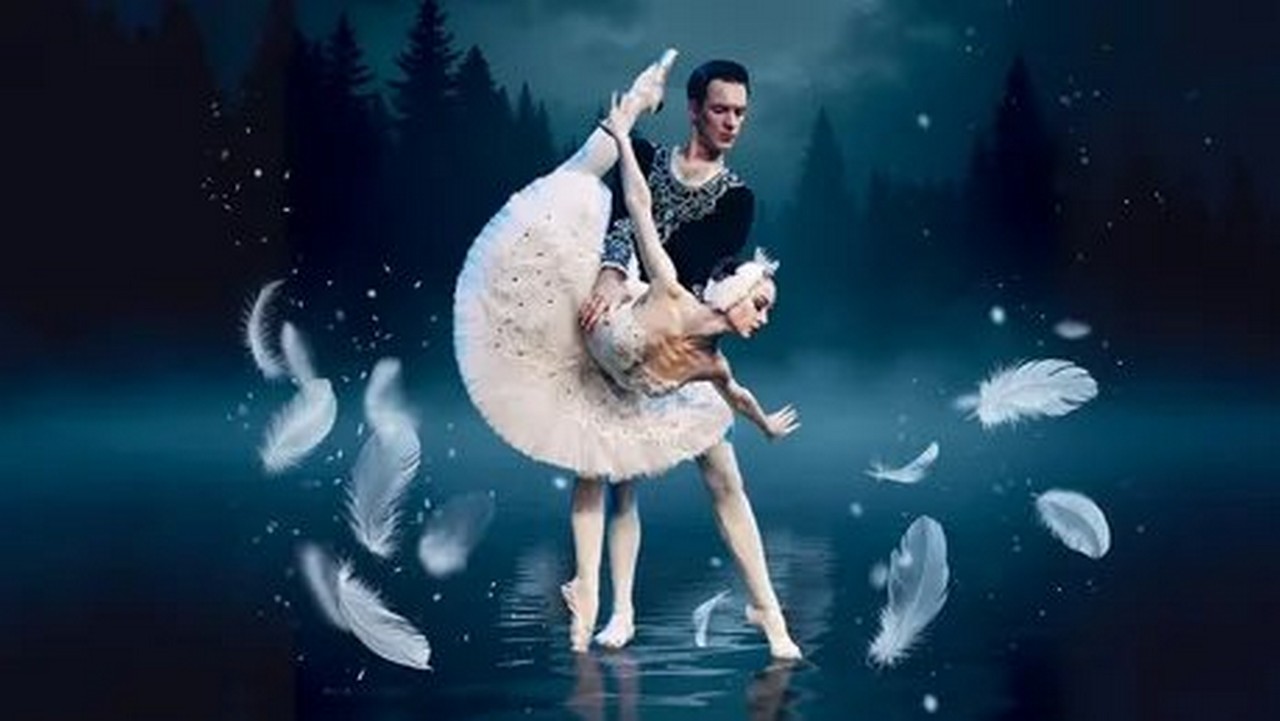
Alternately a swan and a human being, she became the fate and object of the unfortunate prince's fantasies. In Staatsopera's interpretation, it is Siegfried's mother who adores her son and holds all the threads of his fate in her hands. She ruthlessly manipulates his friend Benon and uses Prime Minister Rothbart as her accomplice.
Drawing inspiration from the Romanov era in Tsarist Russia, this performance is permeated with a gripping sense of decline, characterized by a disturbing combination of emotional coldness and decadence.
The young prince finds refuge in encounters with swans. The captivating impact of these majestic birds is expressed through the large-scale depictions of swans in the ballet, whose choreography is inspired by archaic flight formations and their natural, yet surreal, beauty.
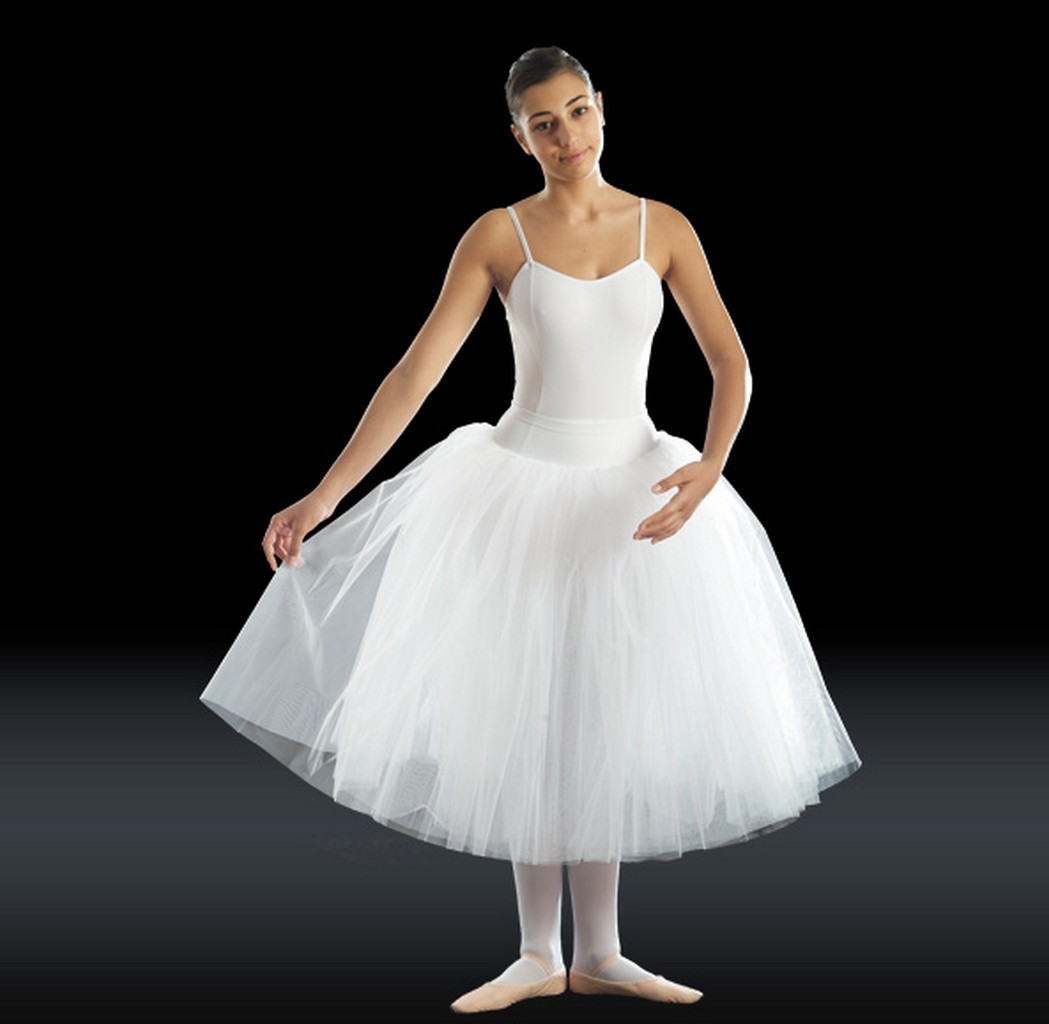
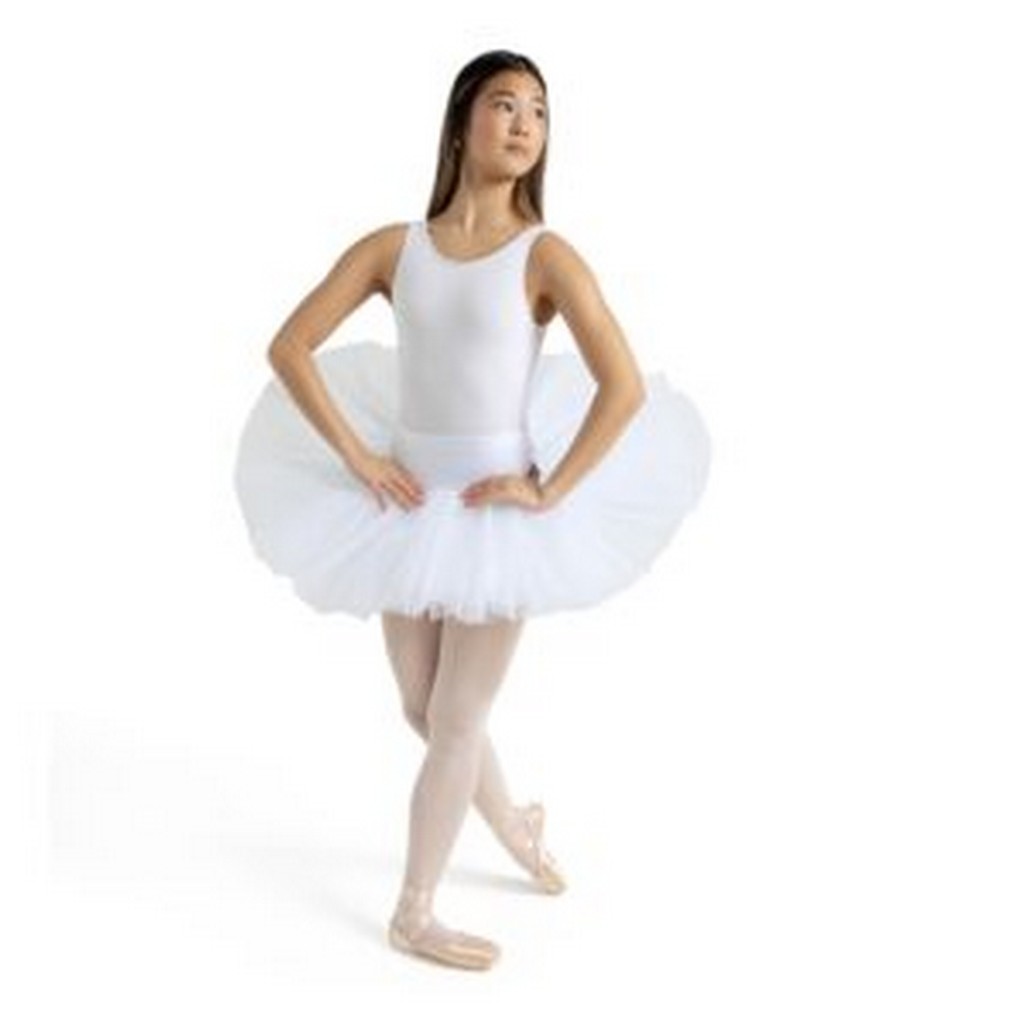
Thanks to the dancers' tutus*, reminiscent of the white plumage of birds, these impressive scenes have become synonymous with classical ballet. But Swan Lake also became legendary thanks to the music of Pyotr Tchaikovsky, who imbues the contrasting moods with a unique character: whether it's the longing that unites Prince Siegfried and Odette, or the deceptive splendor of the ball scenes, where the entire court falls under the spell of the seductive Odile. As Odette's double, she leads the prince to a tragic oath that betrays his true love."
*A tutu is a short, flared skirt, originally associated with ballet dancers. It is made of multiple layers of lightweight fabric, most often tulle, and comes in two main versions: shorter and stiffly flowing ("classic") or longer and more flowing ("romantic"). These skirts are not only a characteristic element of ballet but have also become a popular element of everyday fashion and children's costumes.
We arrived in Berlin on time, despite the terrible weather, which allowed us to have dinner at an Italian restaurant, very close to Unter den Linden avenue.
The whole group (Adek, Renata, Iwona, and Jarek) are waiting to see what will happen on stage.
/20251205_191452.jpg)
And what are our impressions after having visited the opera building and having watched the performance?
There was so much going on, and it was beautiful! The twenty-six girl dancers who made up the corps de ballet impressed with their beautiful choreography and precision.
The four leading actors performed brilliantly in their duets and solo dances!




/20251205_190902.jpg)
/20251205_191548.jpg)
/20251205_191906.jpg)
/20251205_210206.jpg)
/20251205_205958.jpg)
/20251205_210325.jpg)
/20251205_210919.jpg)
/20251205_210931.jpg)
/15.jpg)
/20251205_224102.jpg)
/20251205_224130.jpg)
/20251205_224156.jpg)
/20251205_224227.jpg)
/20251205_224248.jpg)
/20251205_224330.jpg)
