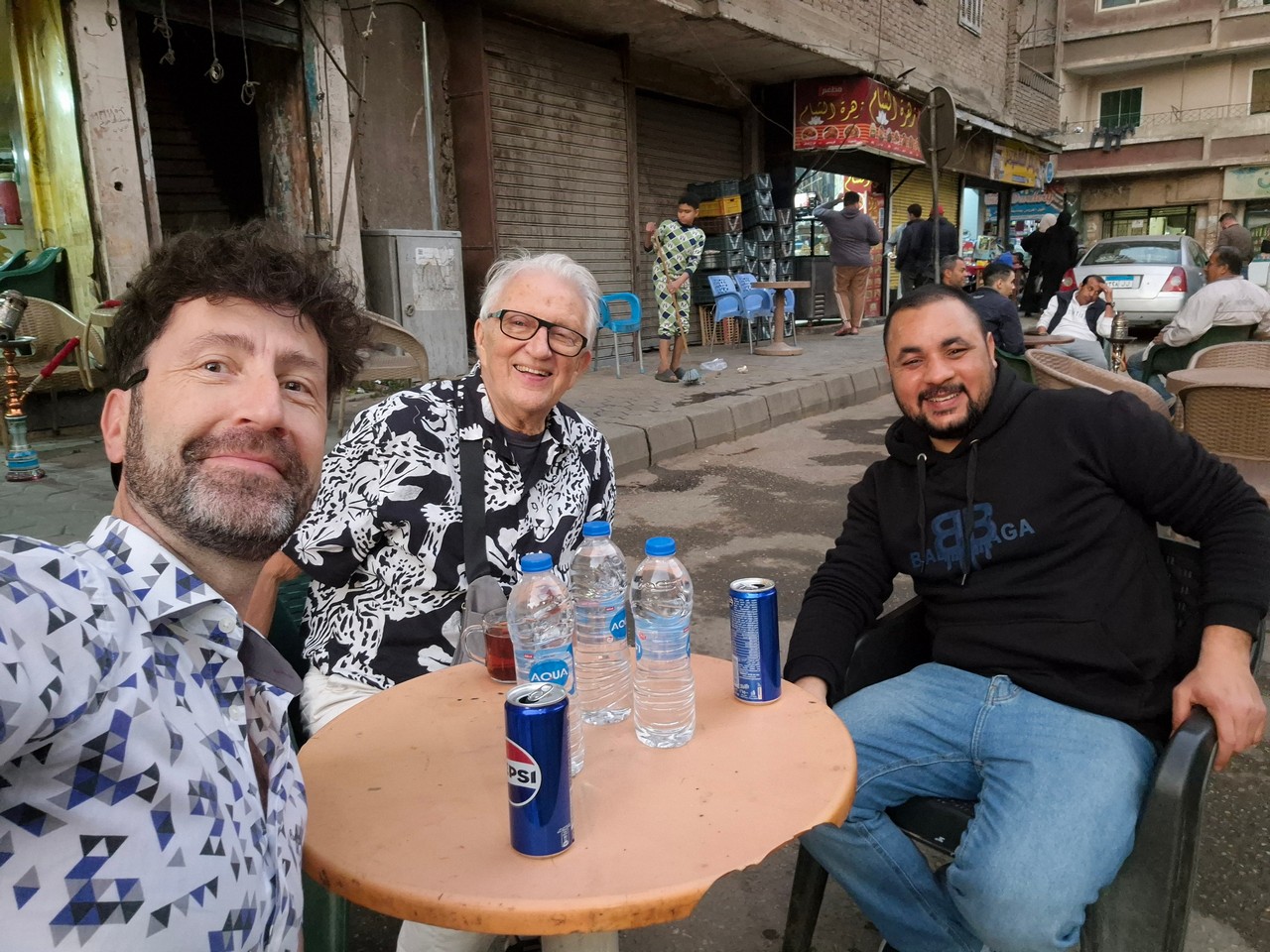
By purchasing a full-day private tour from a local agency, we risked the guide/driver harassing us with his poor English or boring stories.
We'd had similar experiences in other countries.
The purpose of the tour was to take us around Cairo to places not all tour operators get to…
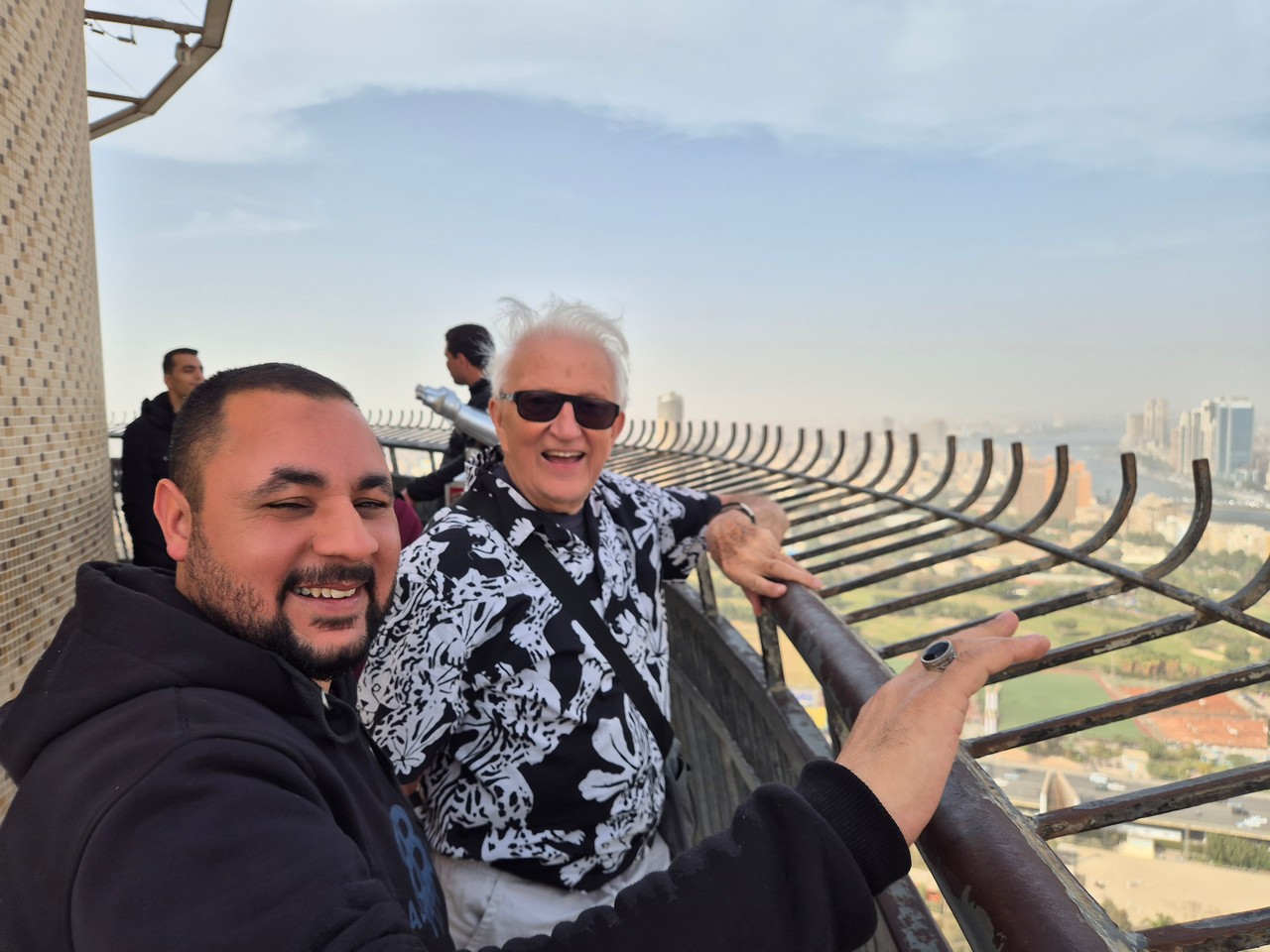
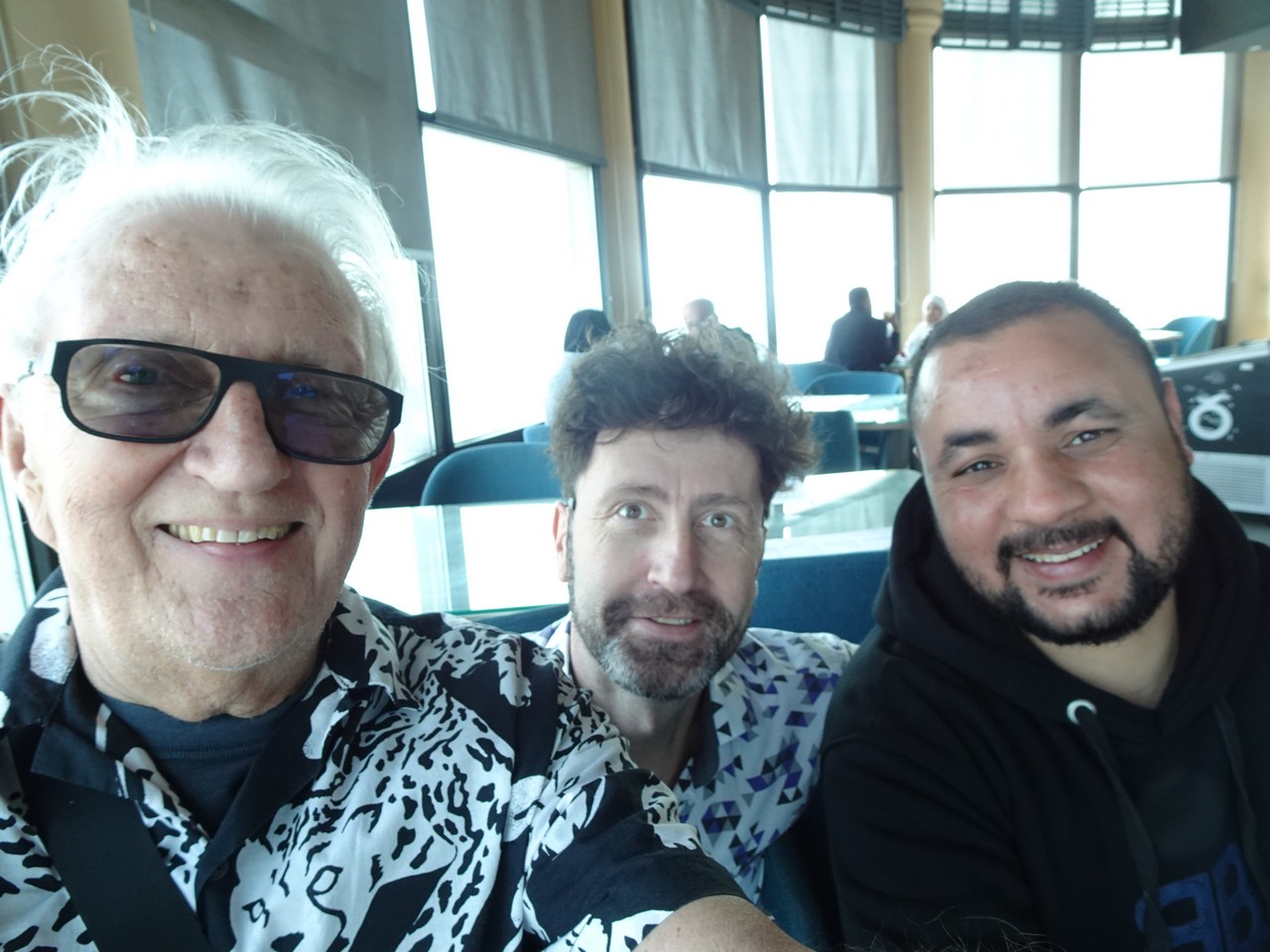
Muhammad proved to be an excellent driver, a skill that saves nerves and even lives in Cairo. Furthermore, his knowledge of Egyptian and Arab history, in good English, allowed him to talk for hours in an engaging manner, without getting us bored.
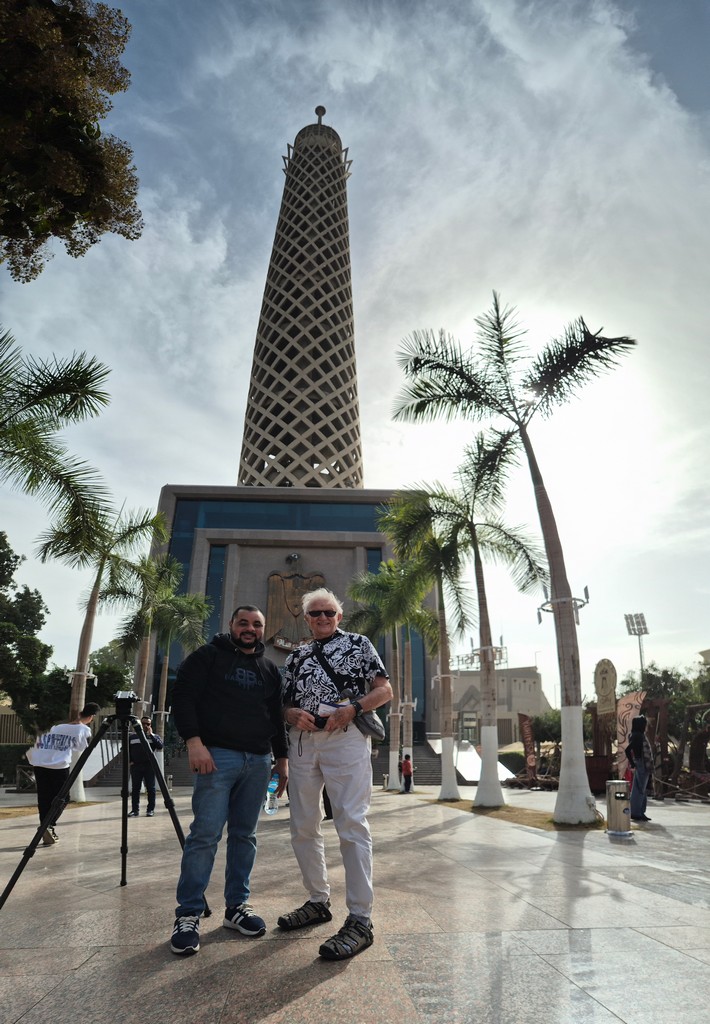
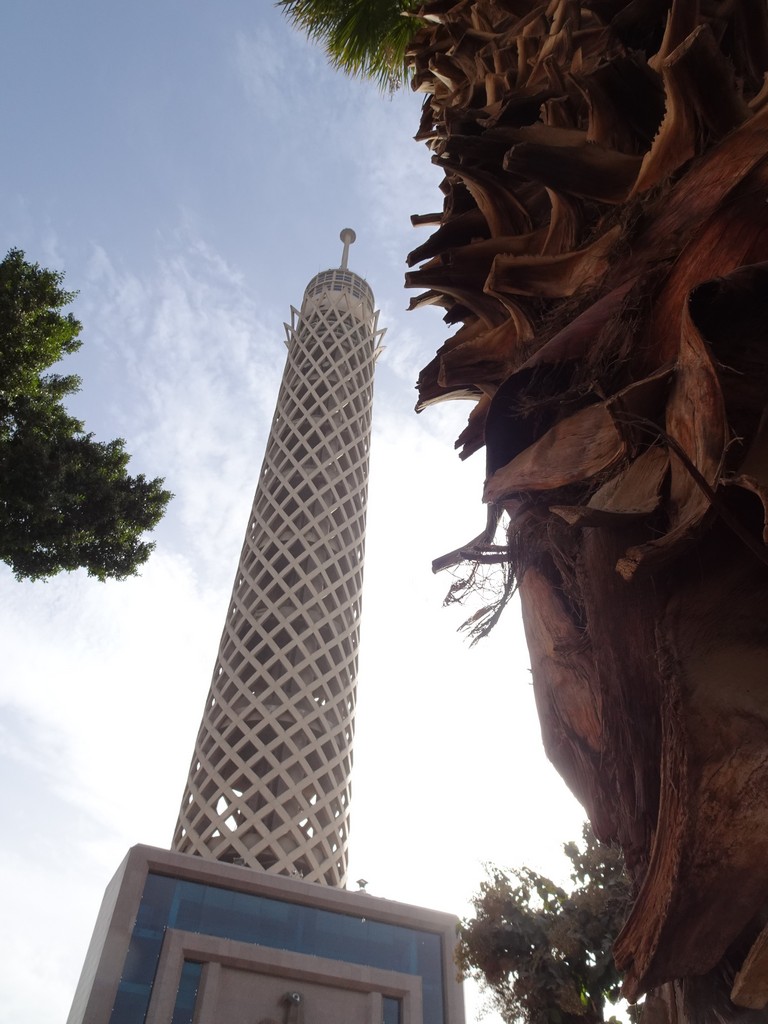
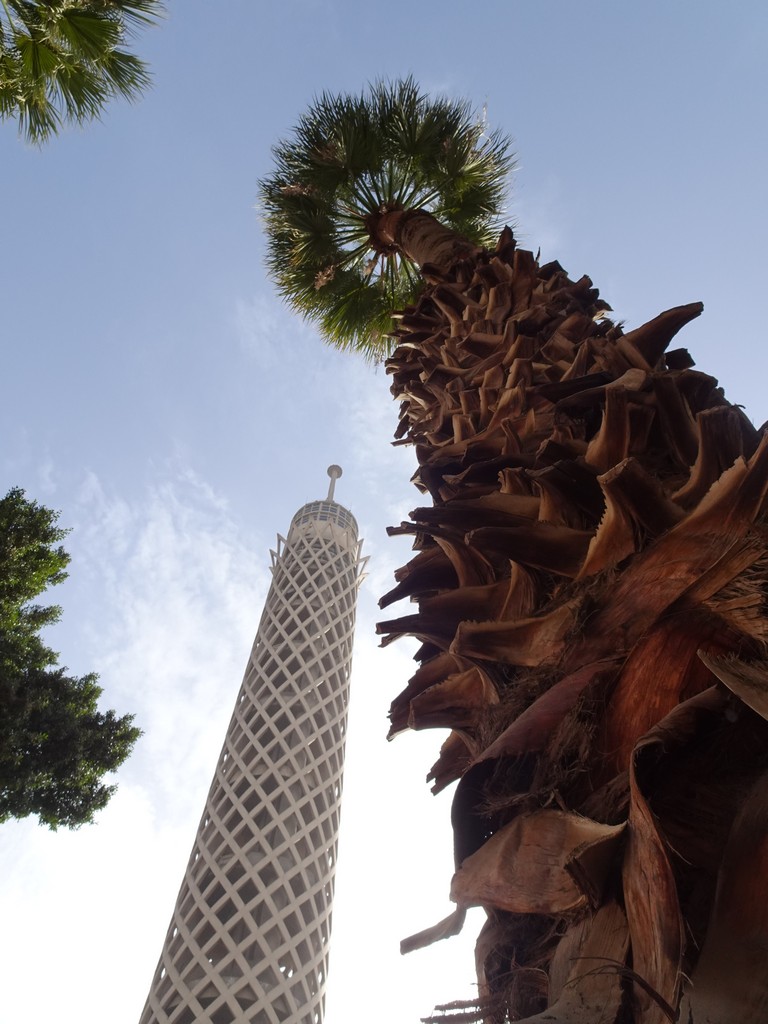
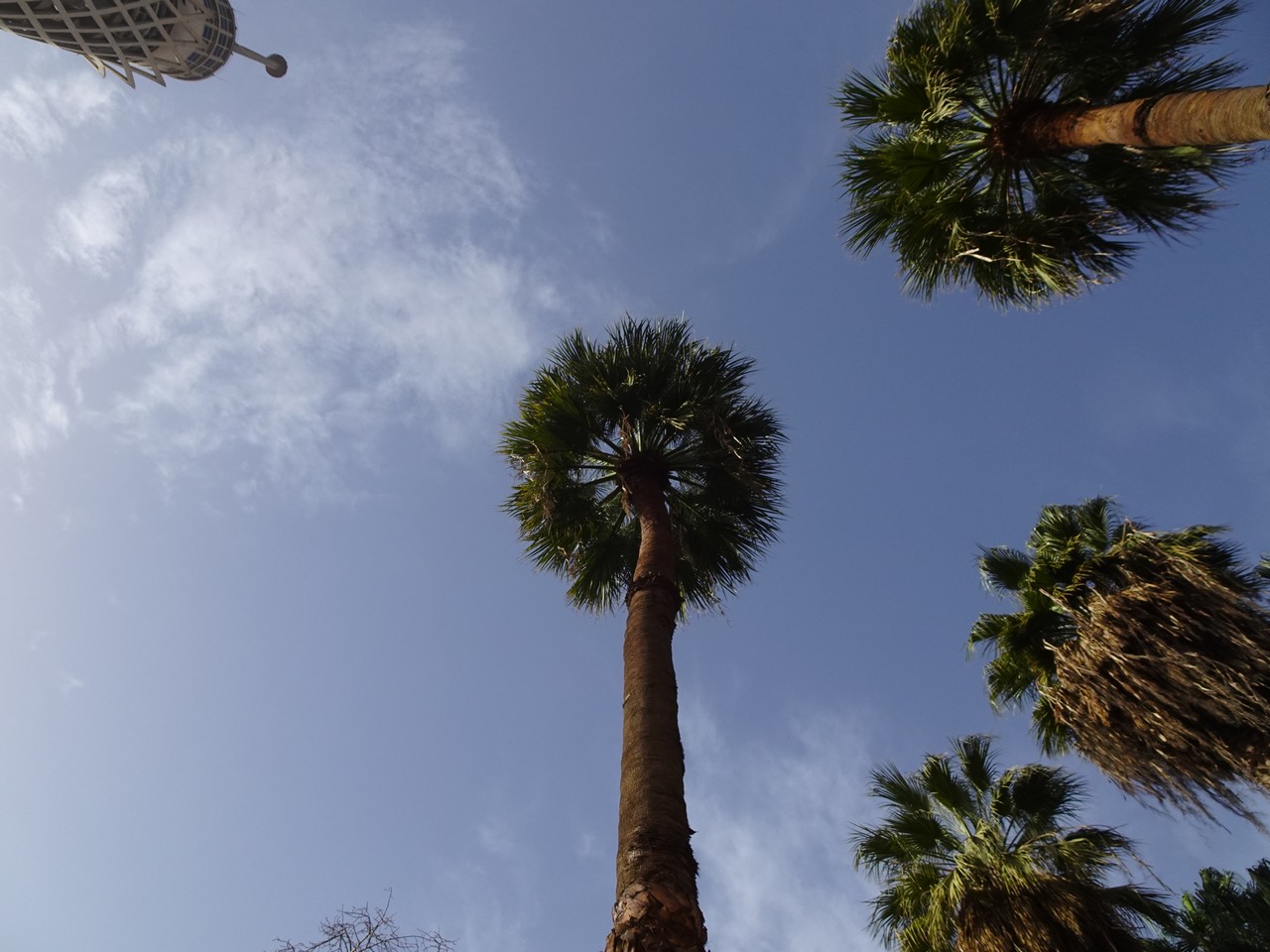
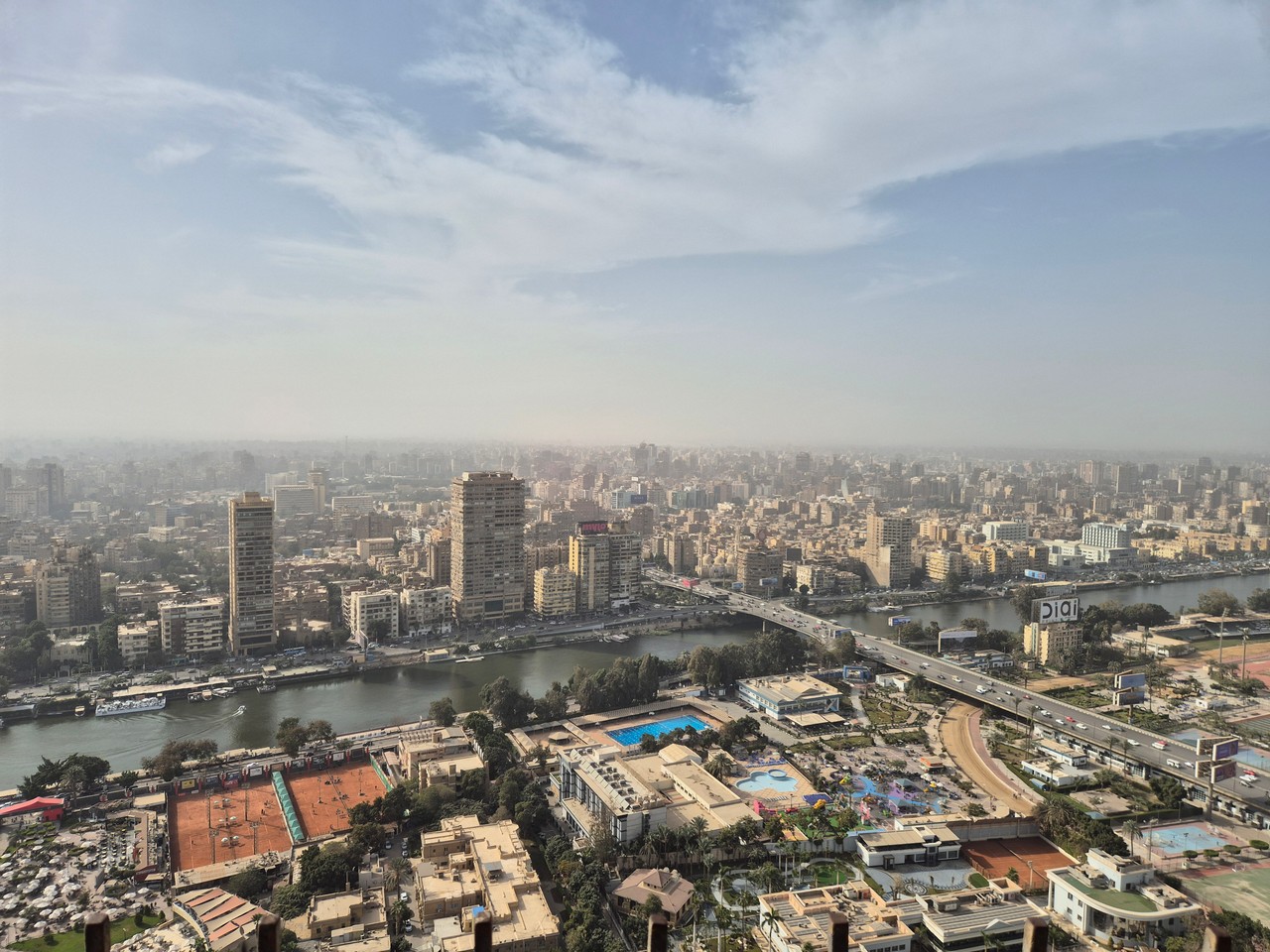
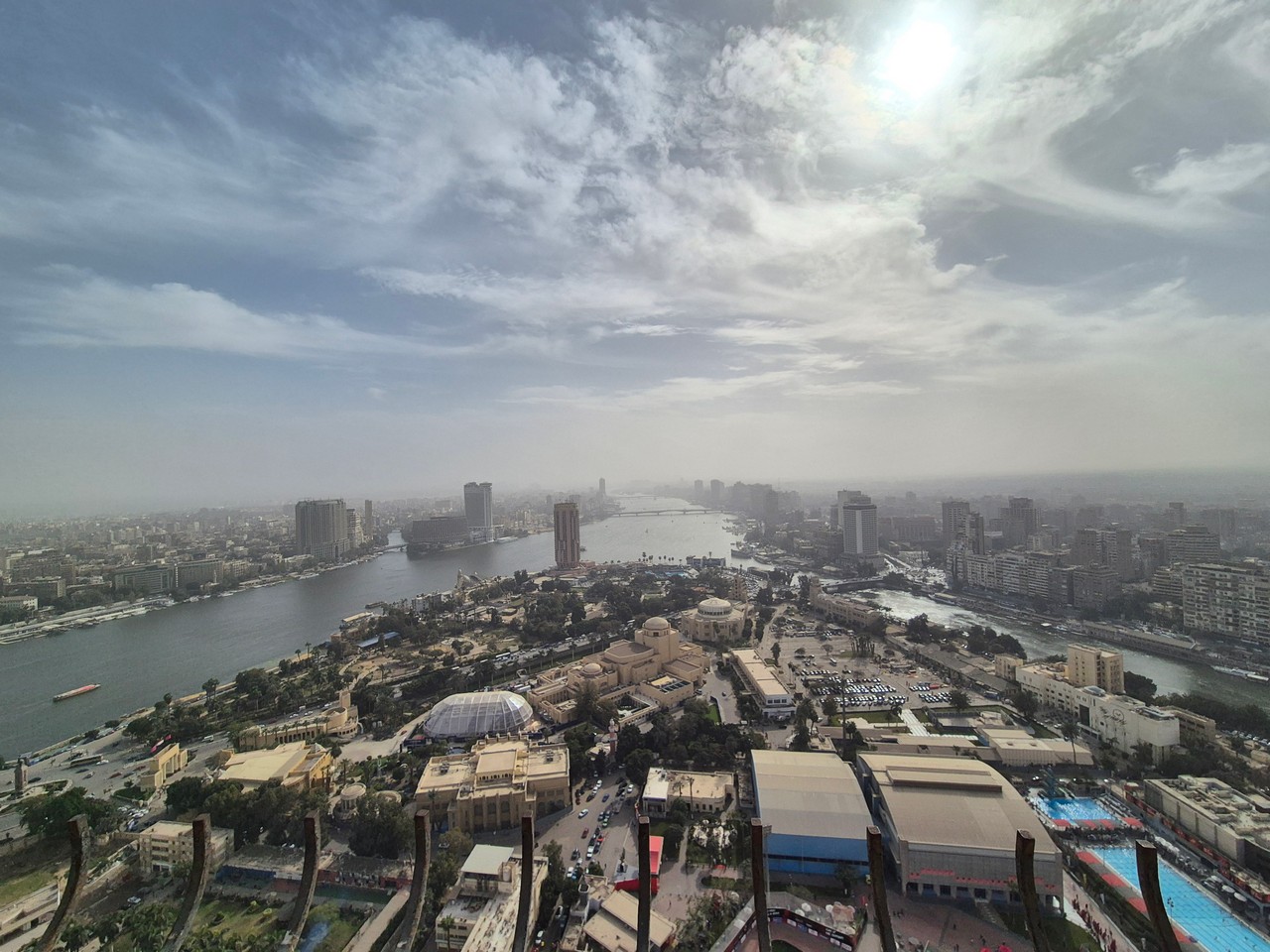
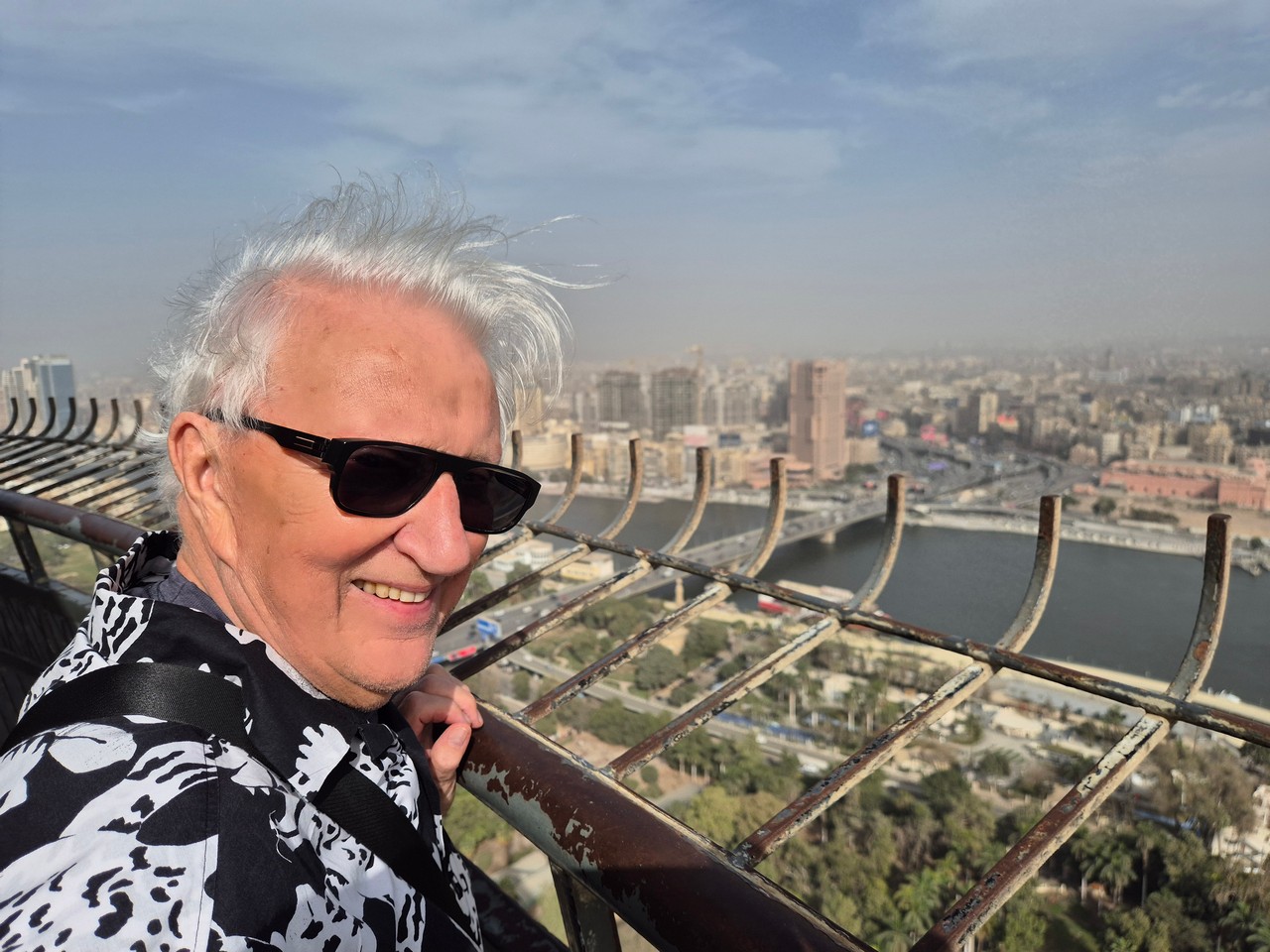
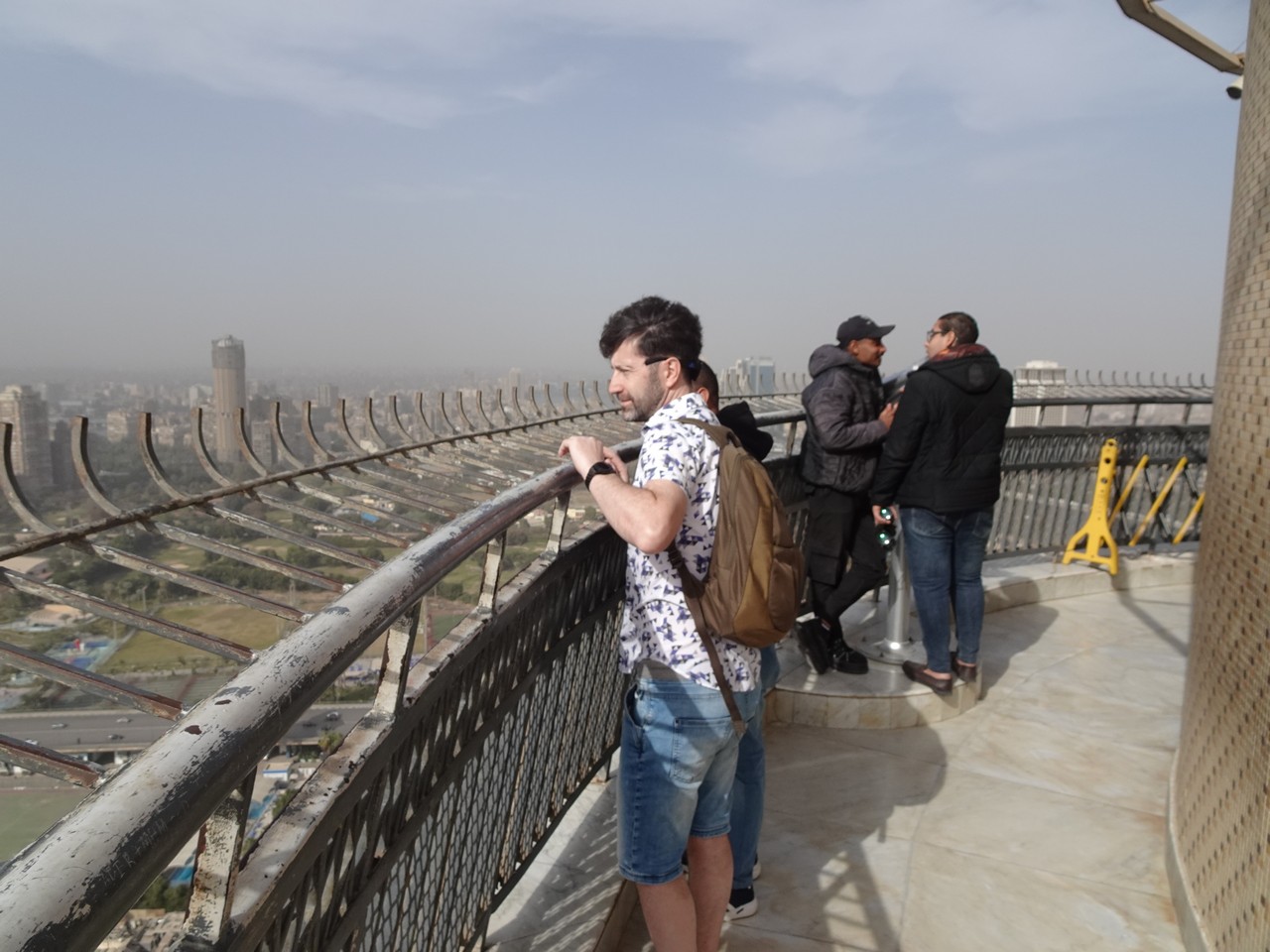
So we ascended the Cairo Tower, located on Zamalek Island, in the city center.
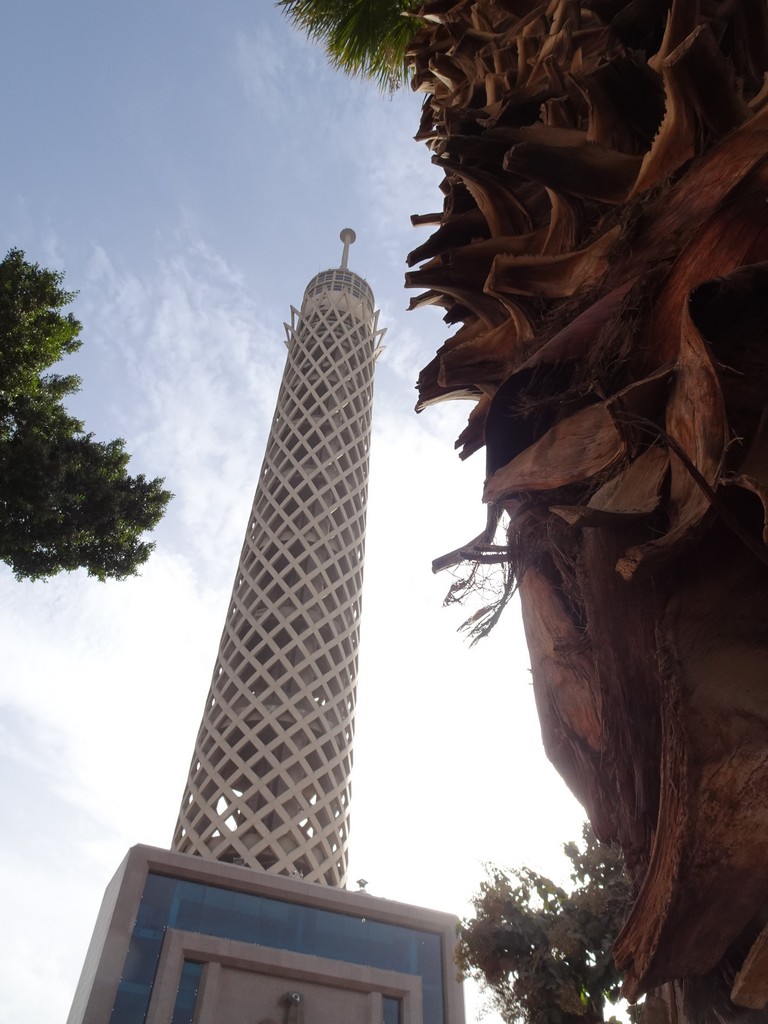
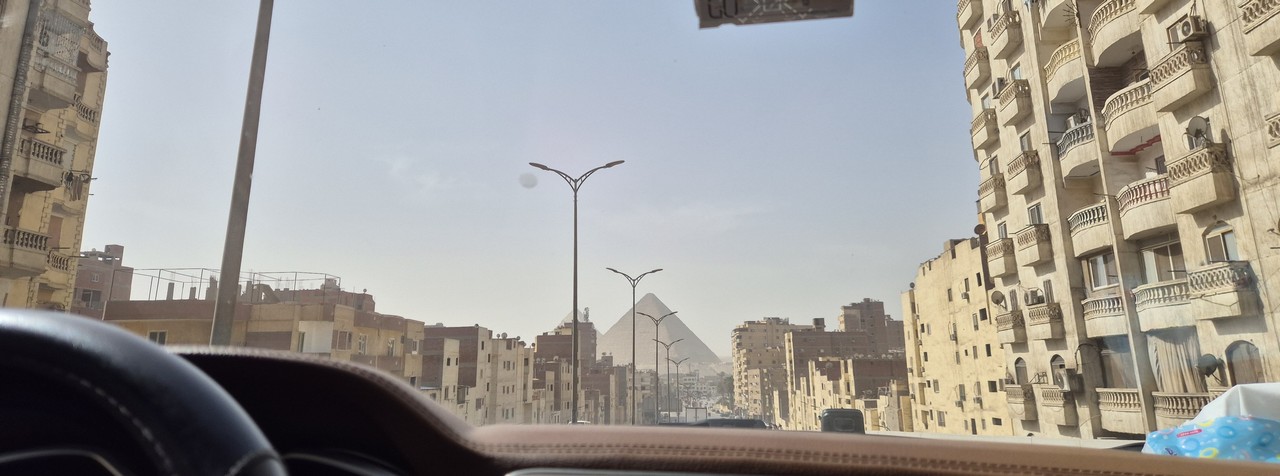
Its height is 187 meters, making it 43 meters higher than the Great Pyramid of Giza, which is located 15 kilometers southwest of the tower.
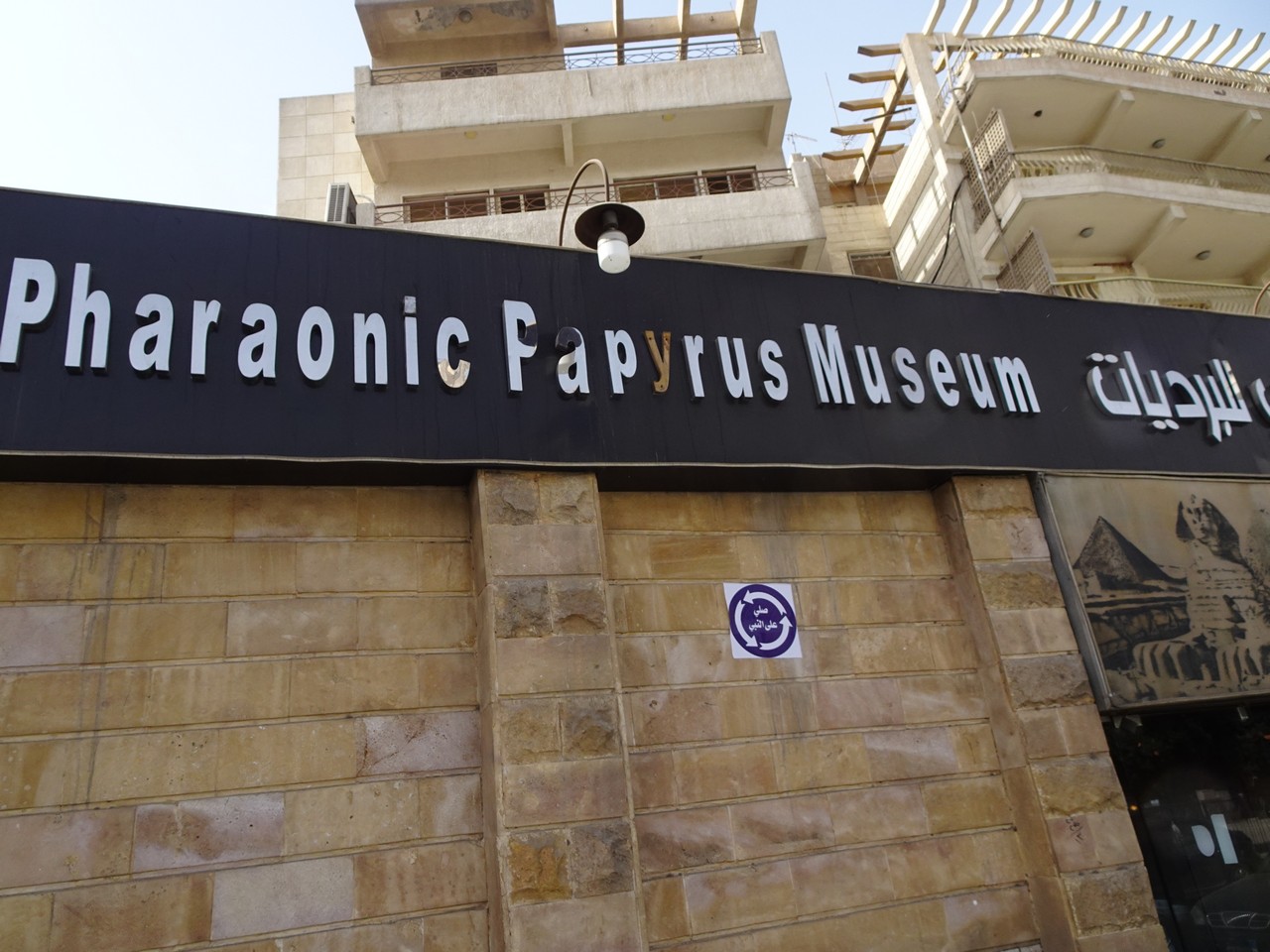
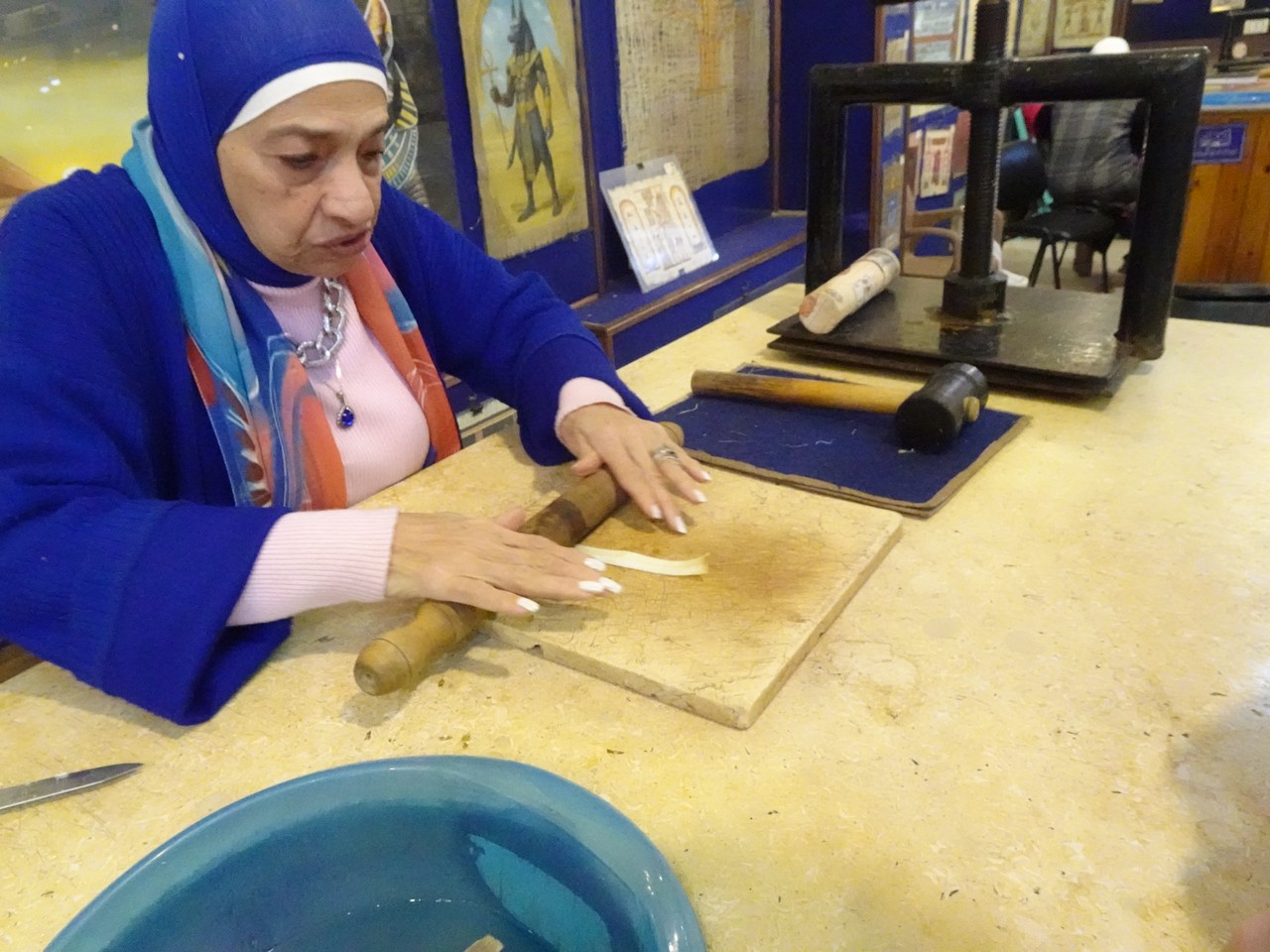
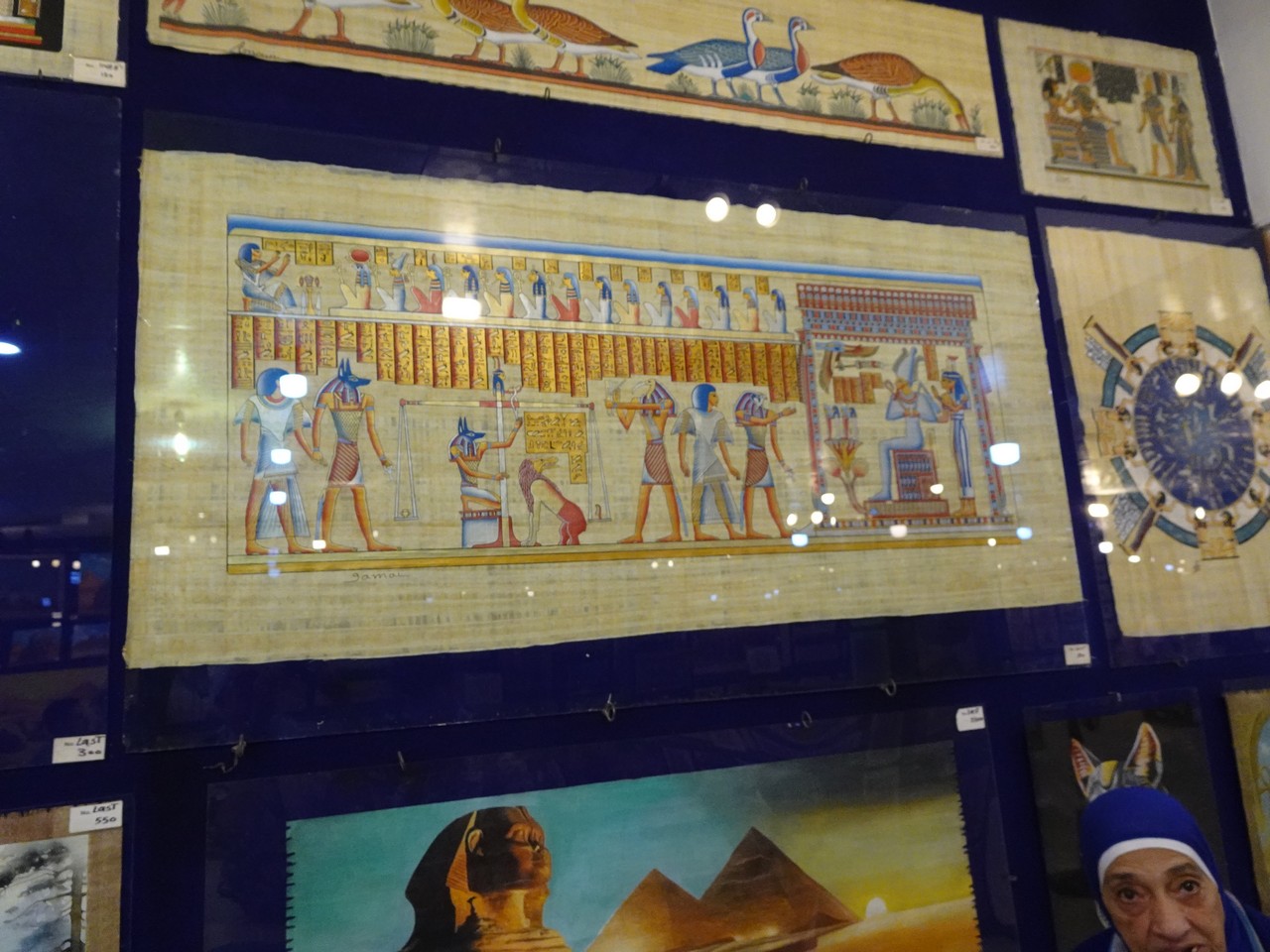
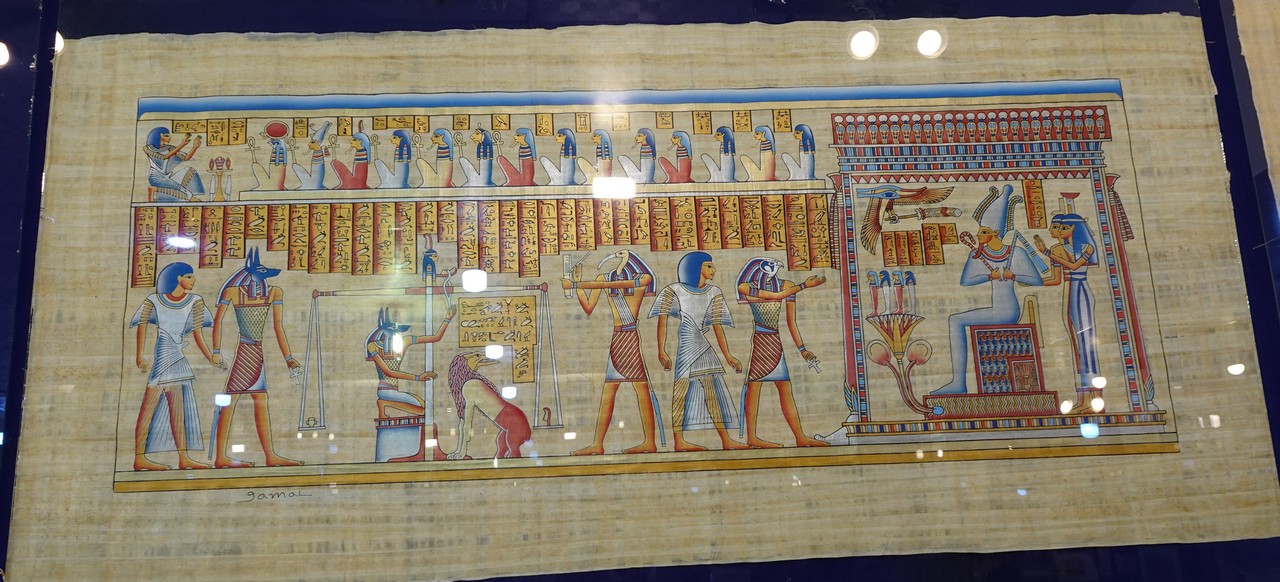
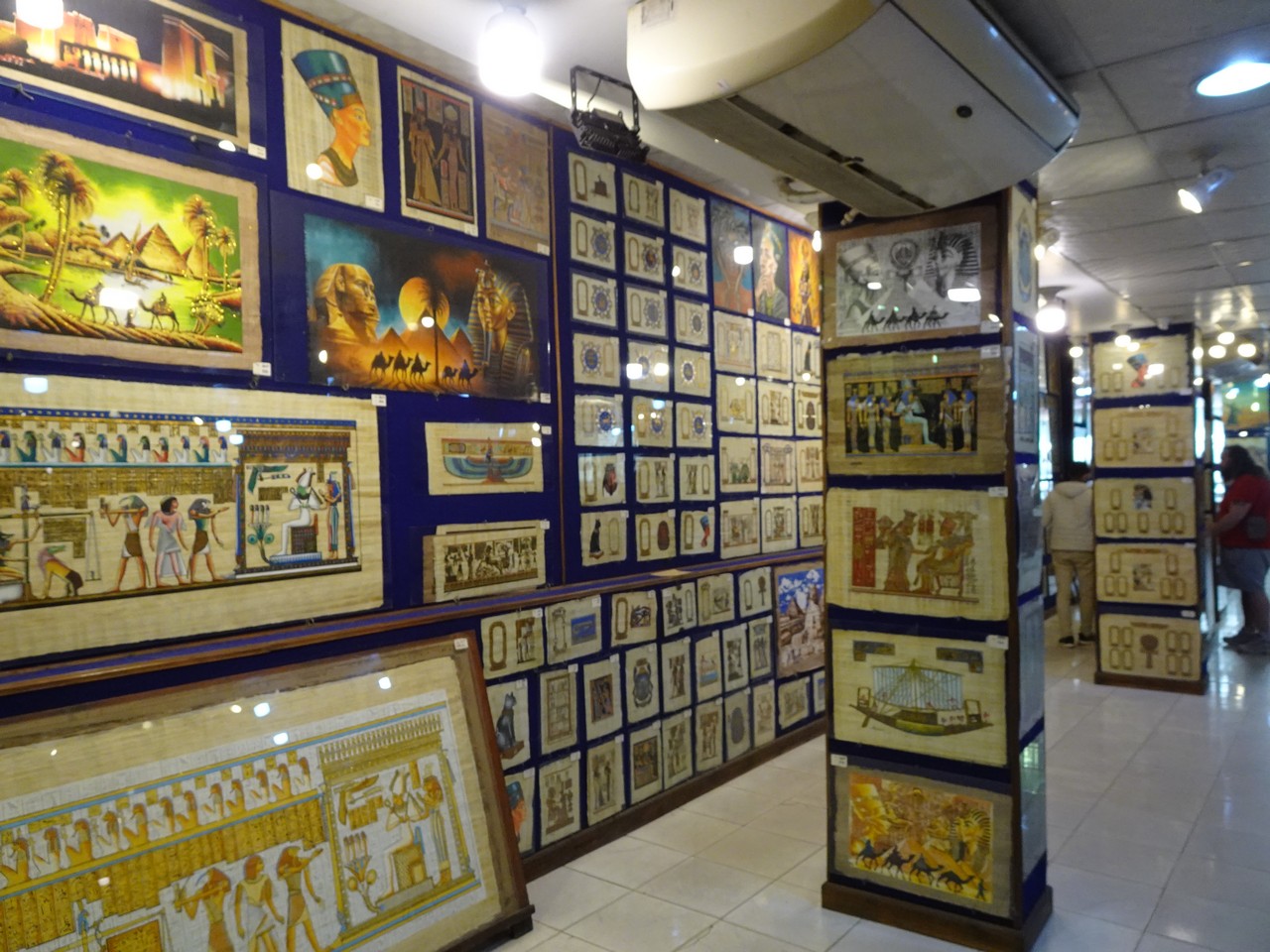
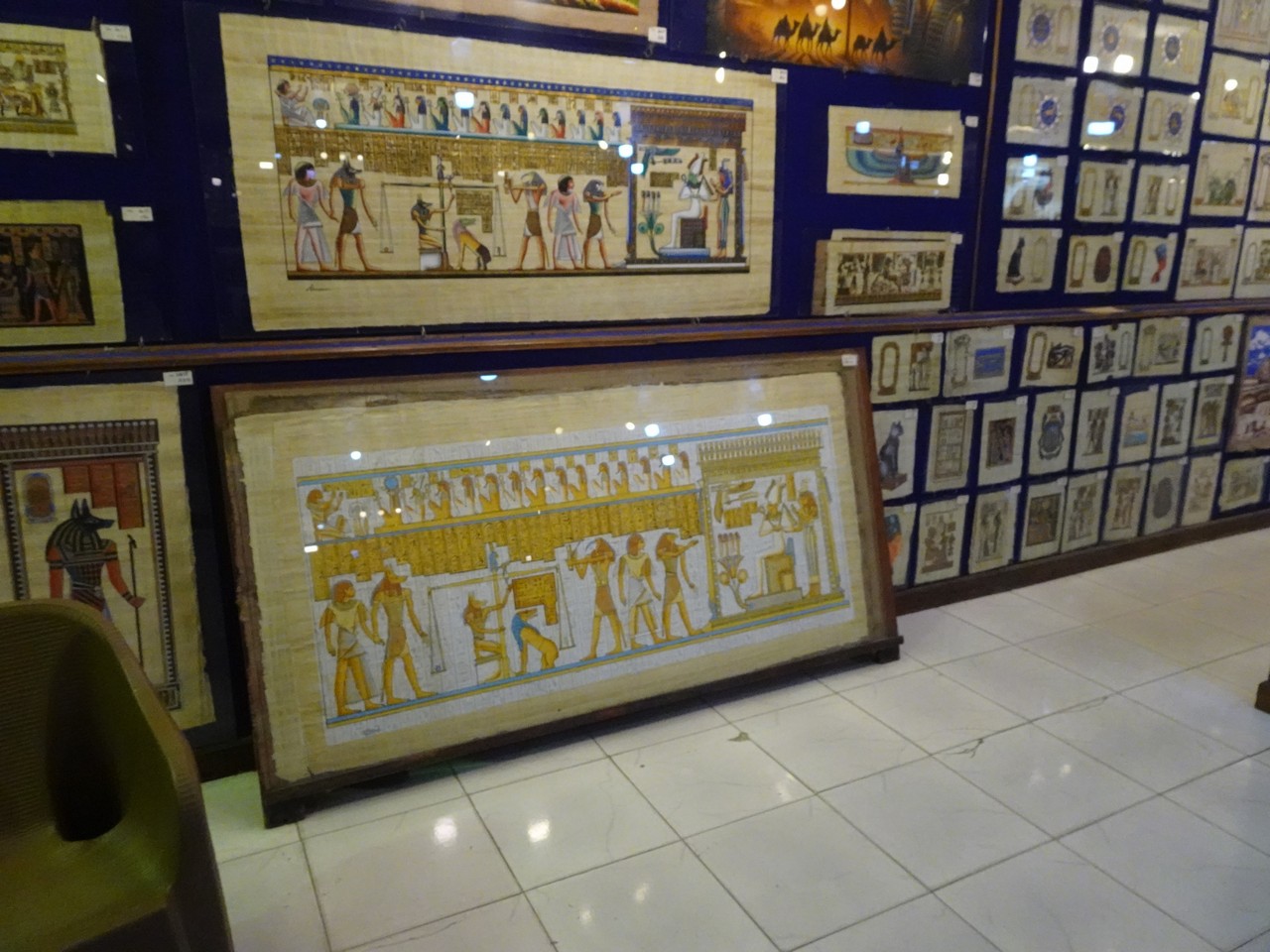
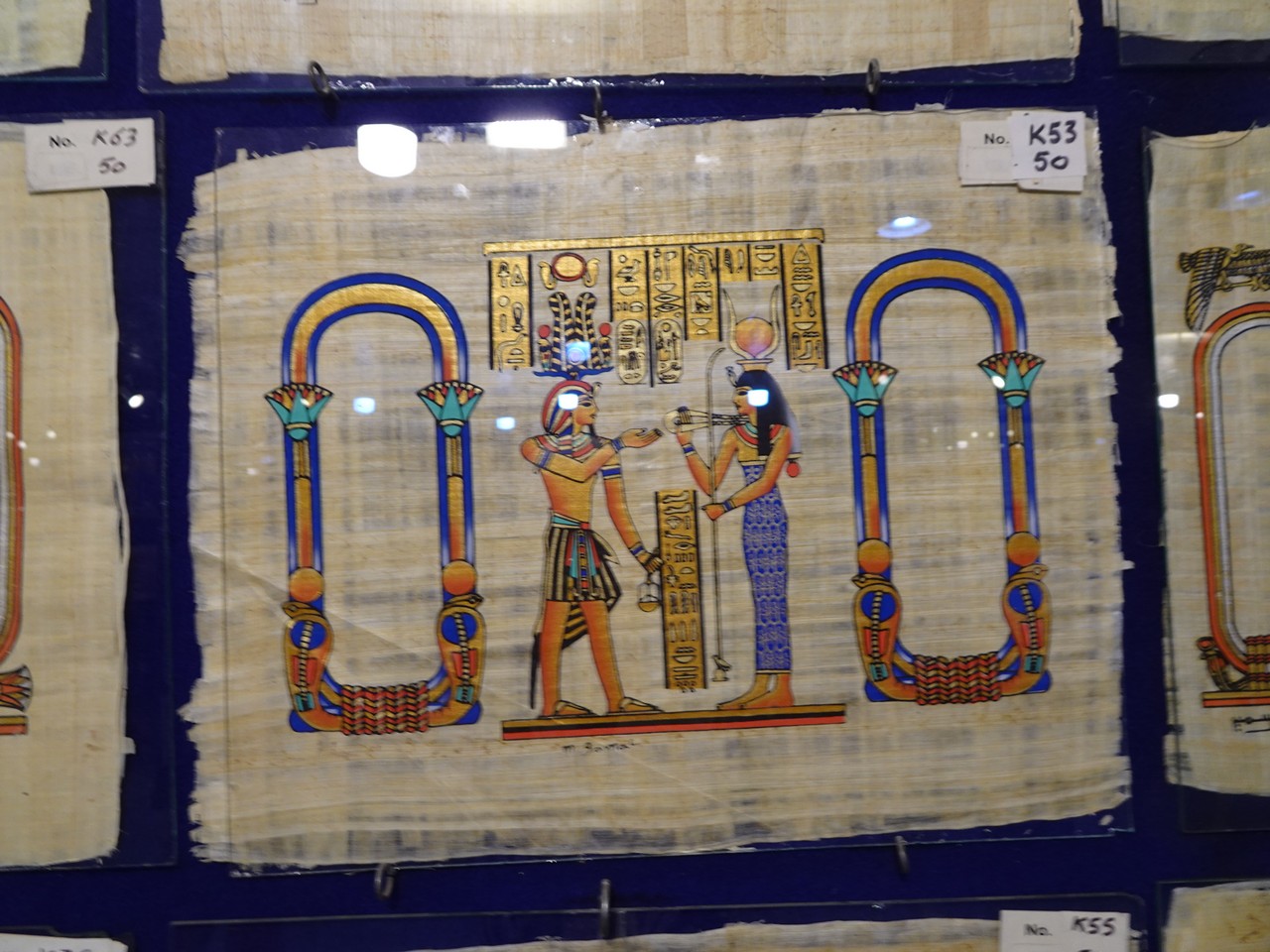
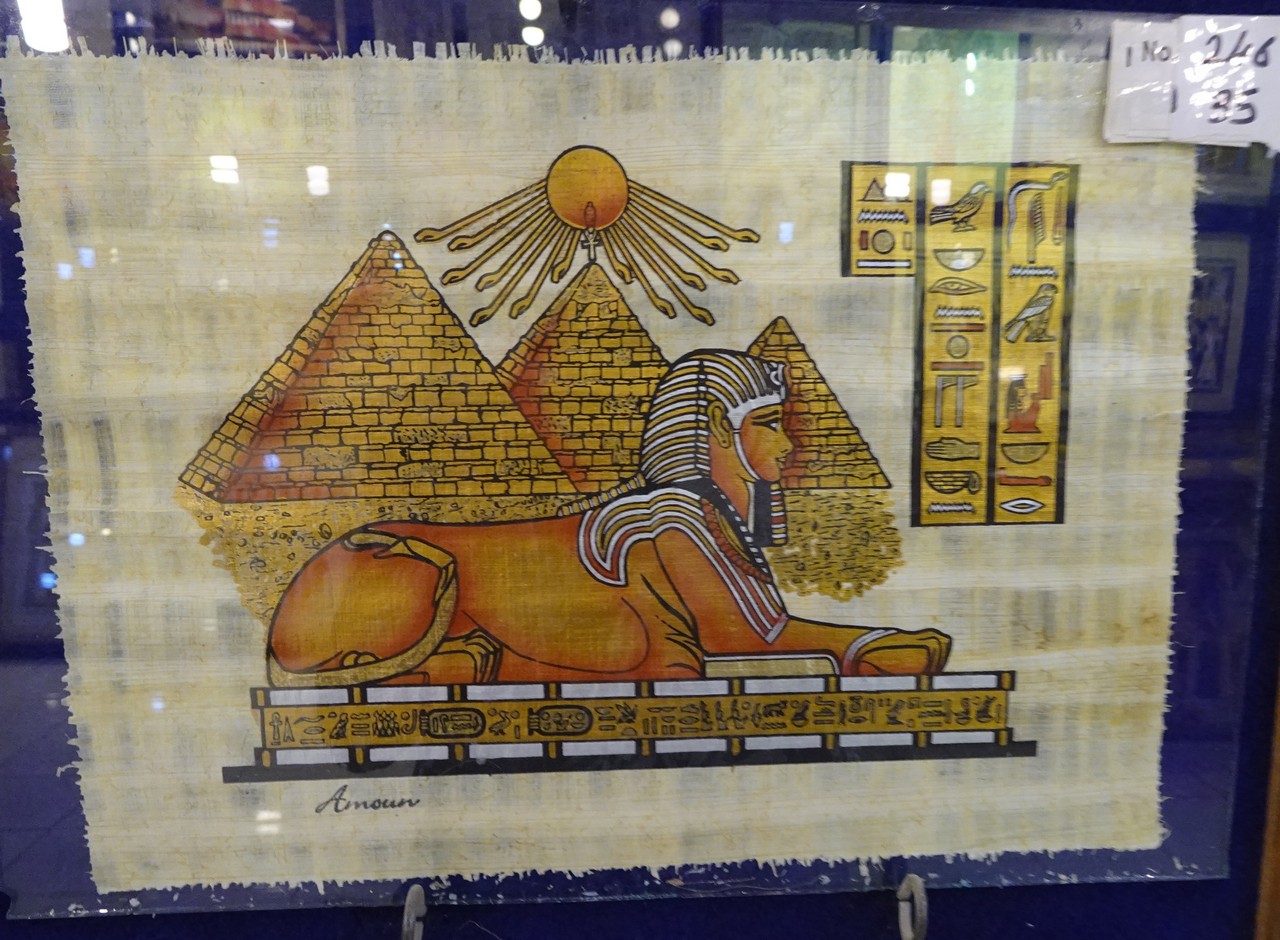
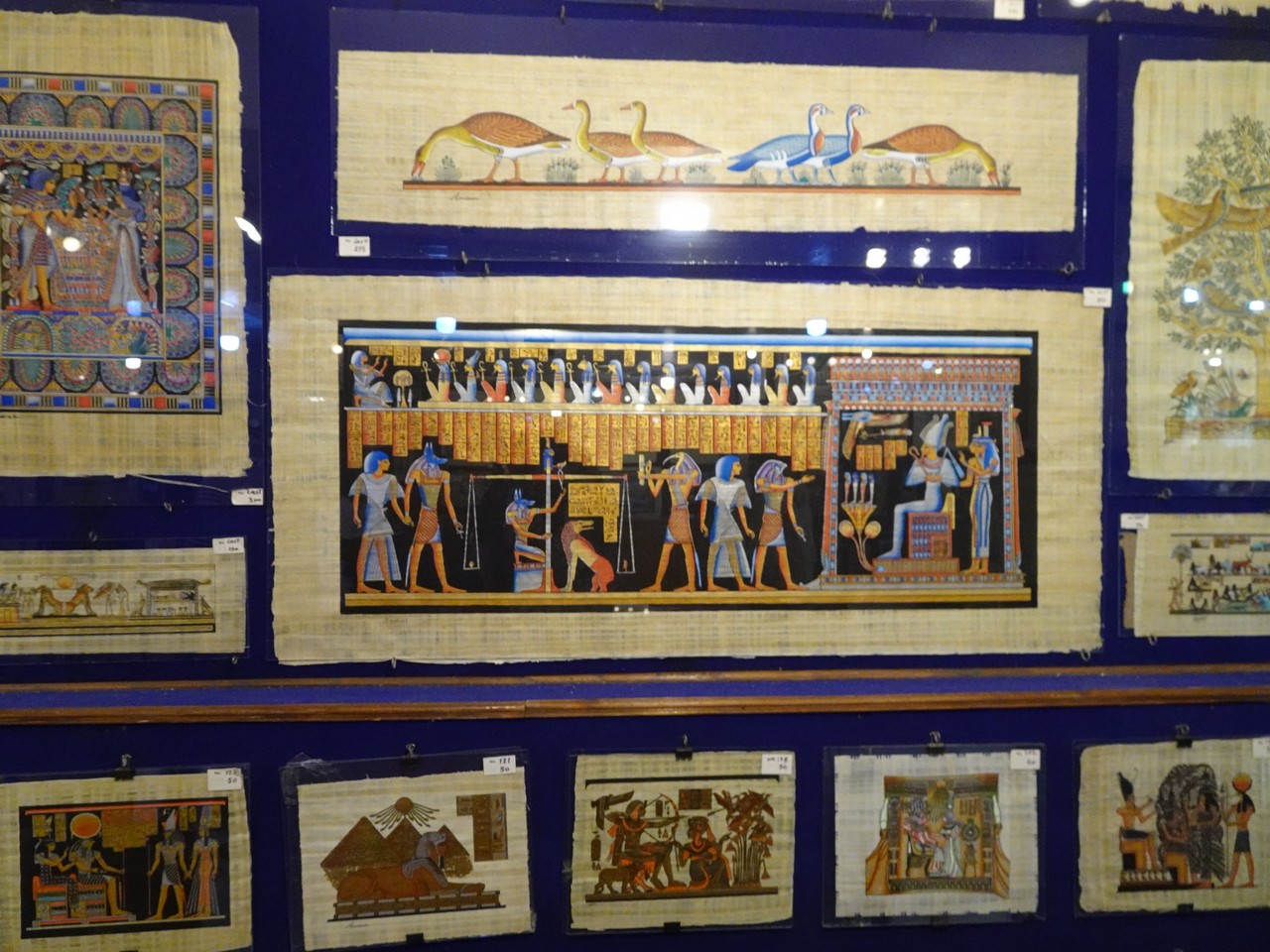
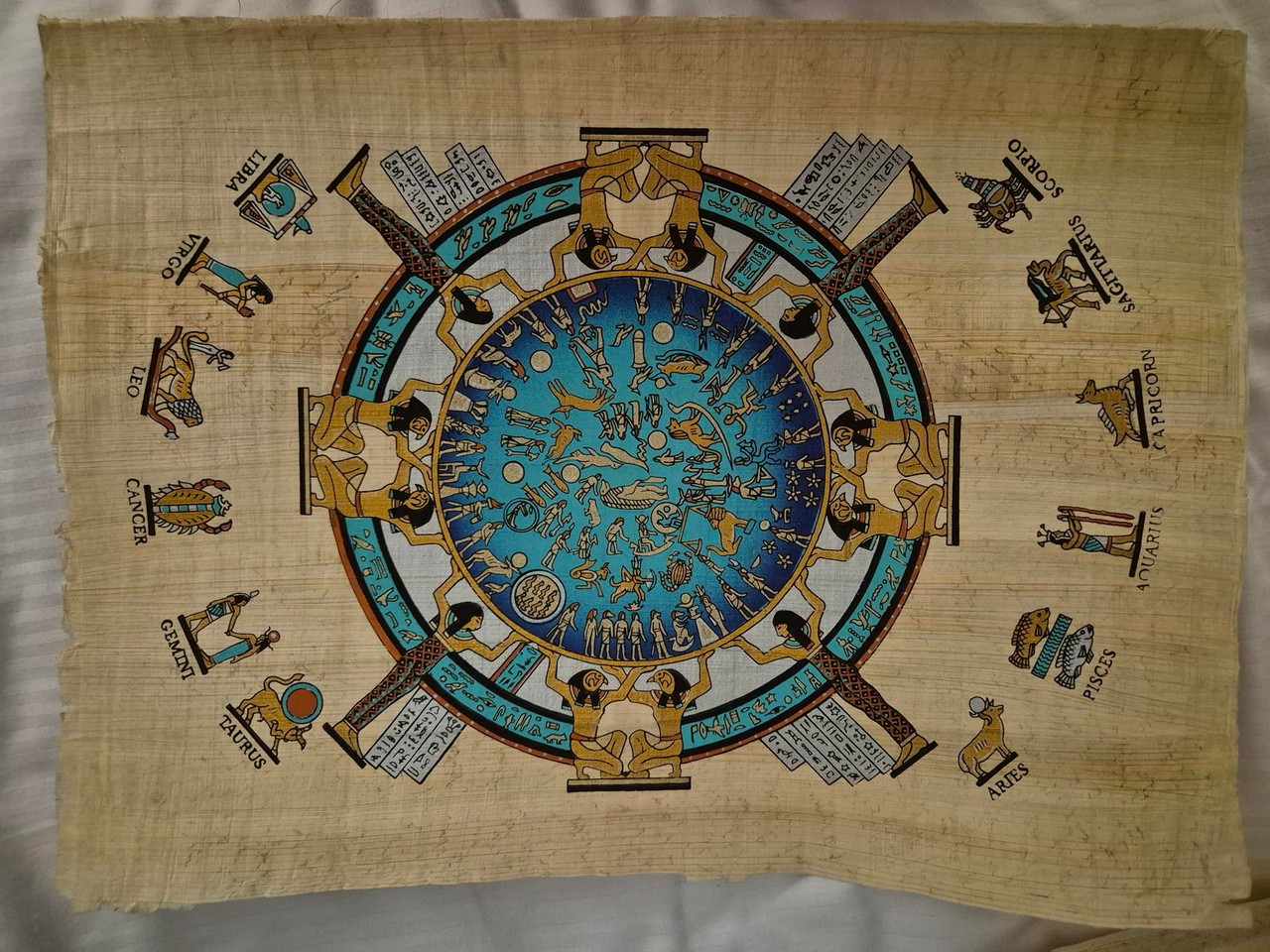
We stopped at an institute that produces papyrus paintings. This place is grandly called the Museum of Pharaonic Papyri.
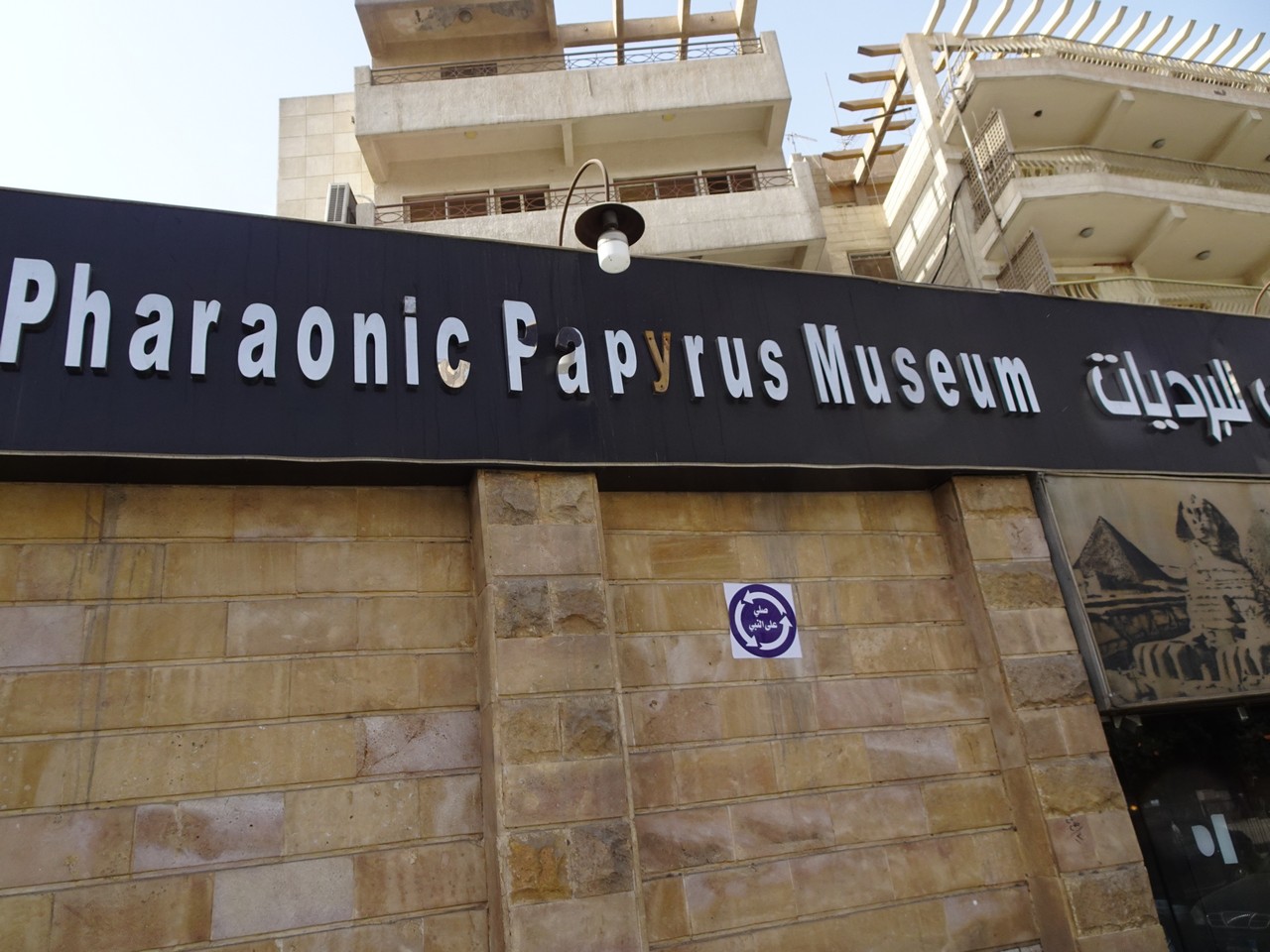
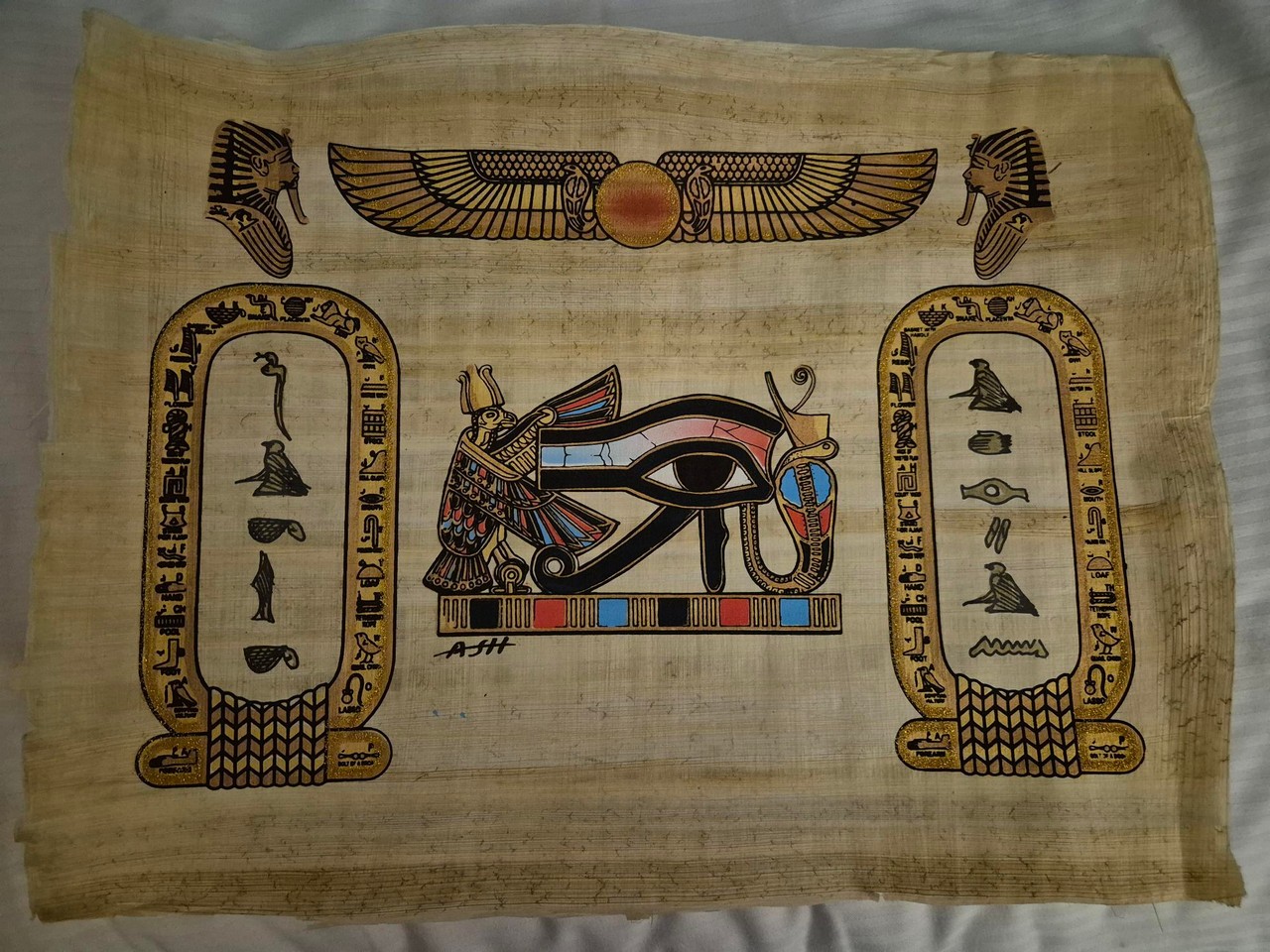
To support local businesses, we purchased a painting depicting the Eye of Horus.
"The Eye of Horus (Oko Udzhat) is one of the most important ancient Egyptian protective symbols, representing divine power, healing, wisdom, and rebirth."
And
"The Pharaonic calendar on papyrus is a hand-painted, commemorative reproduction of an ancient timekeeping system, often depicting zodiac signs, seasons (Akhet, Peret, Shemu), and deities."
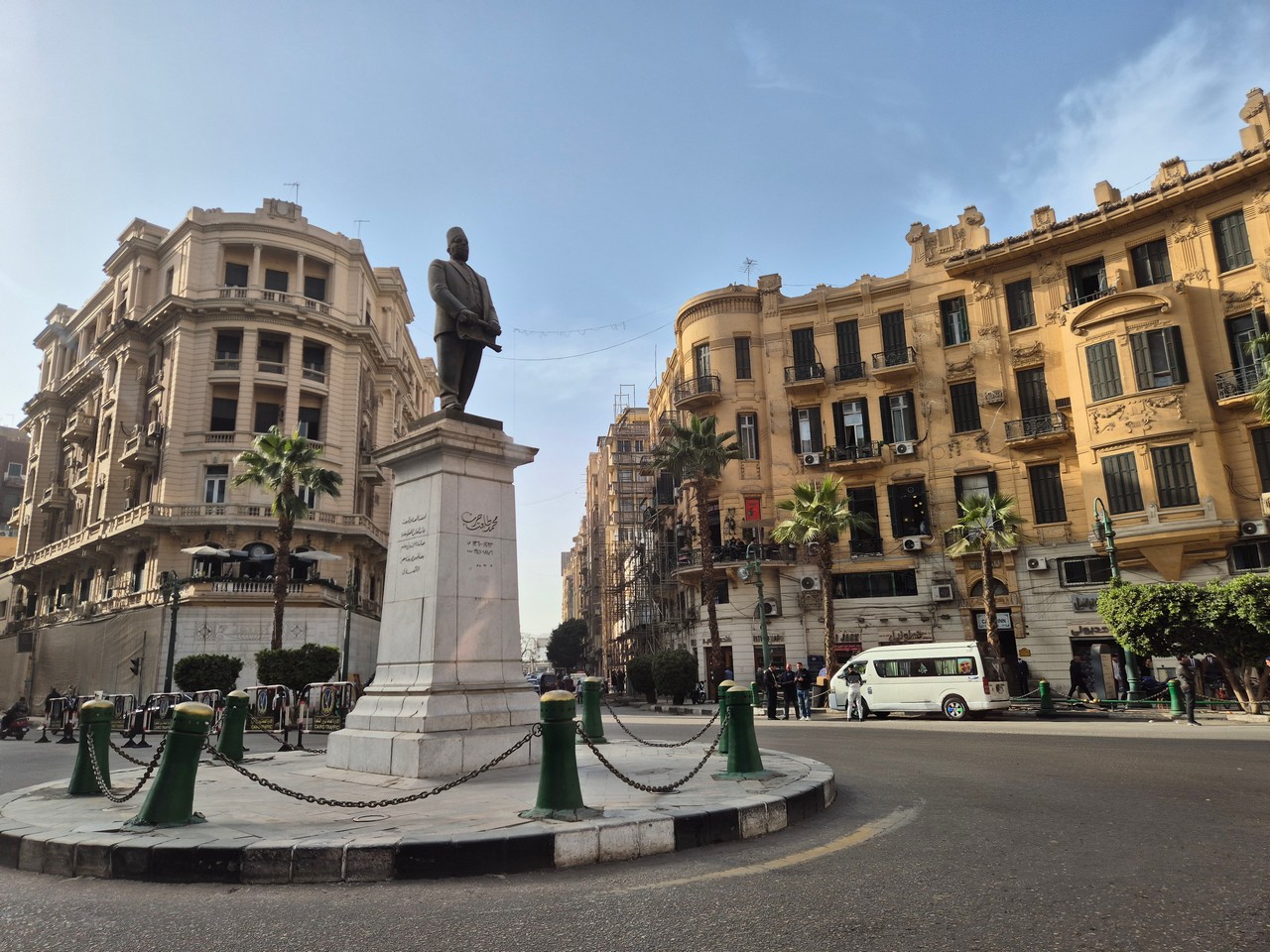
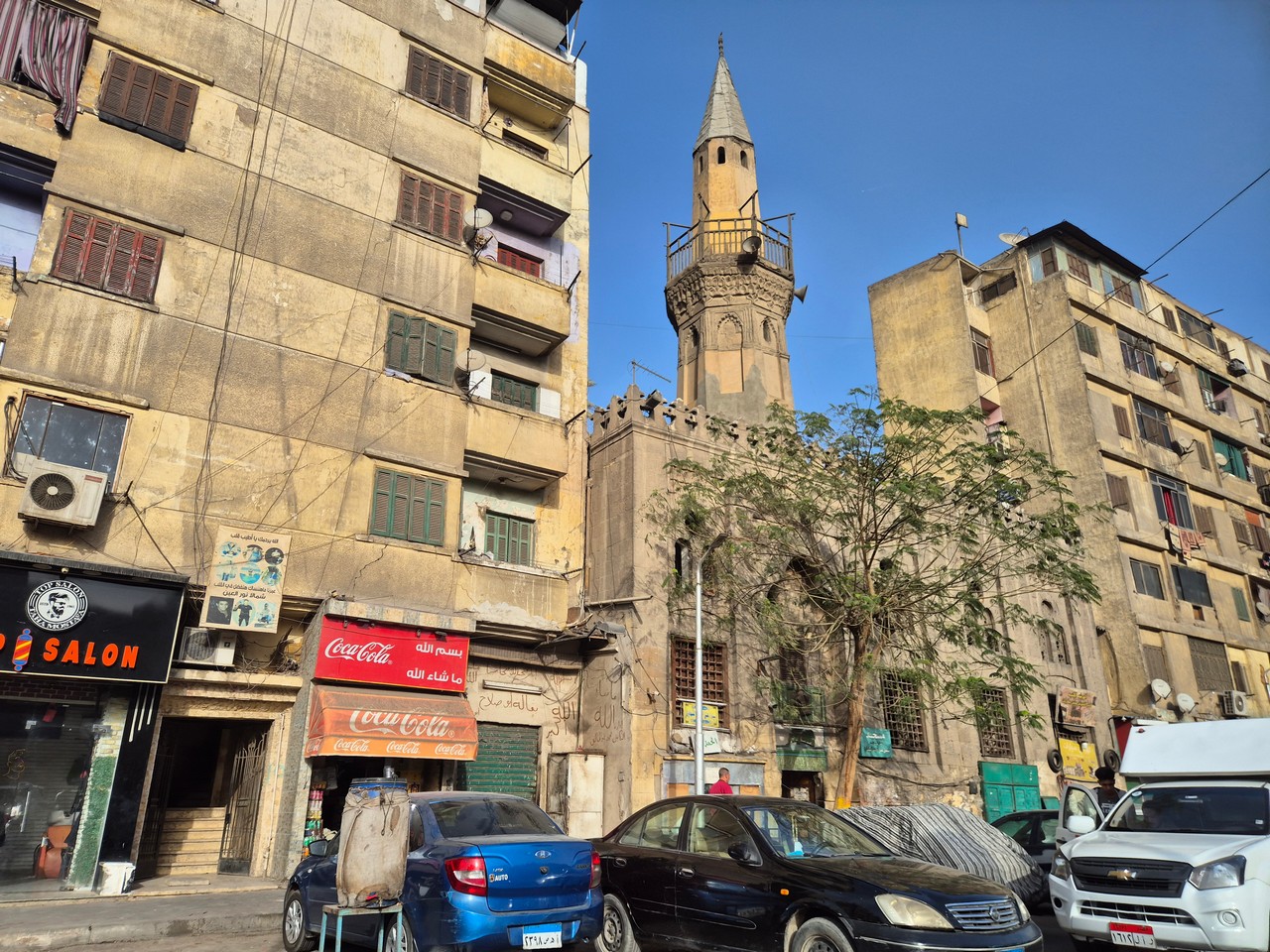
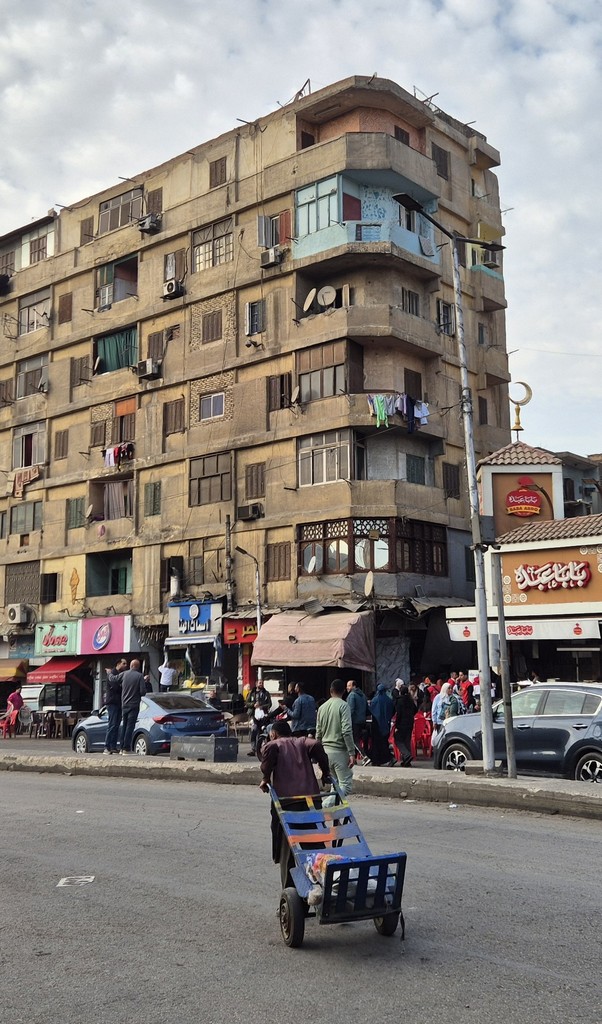
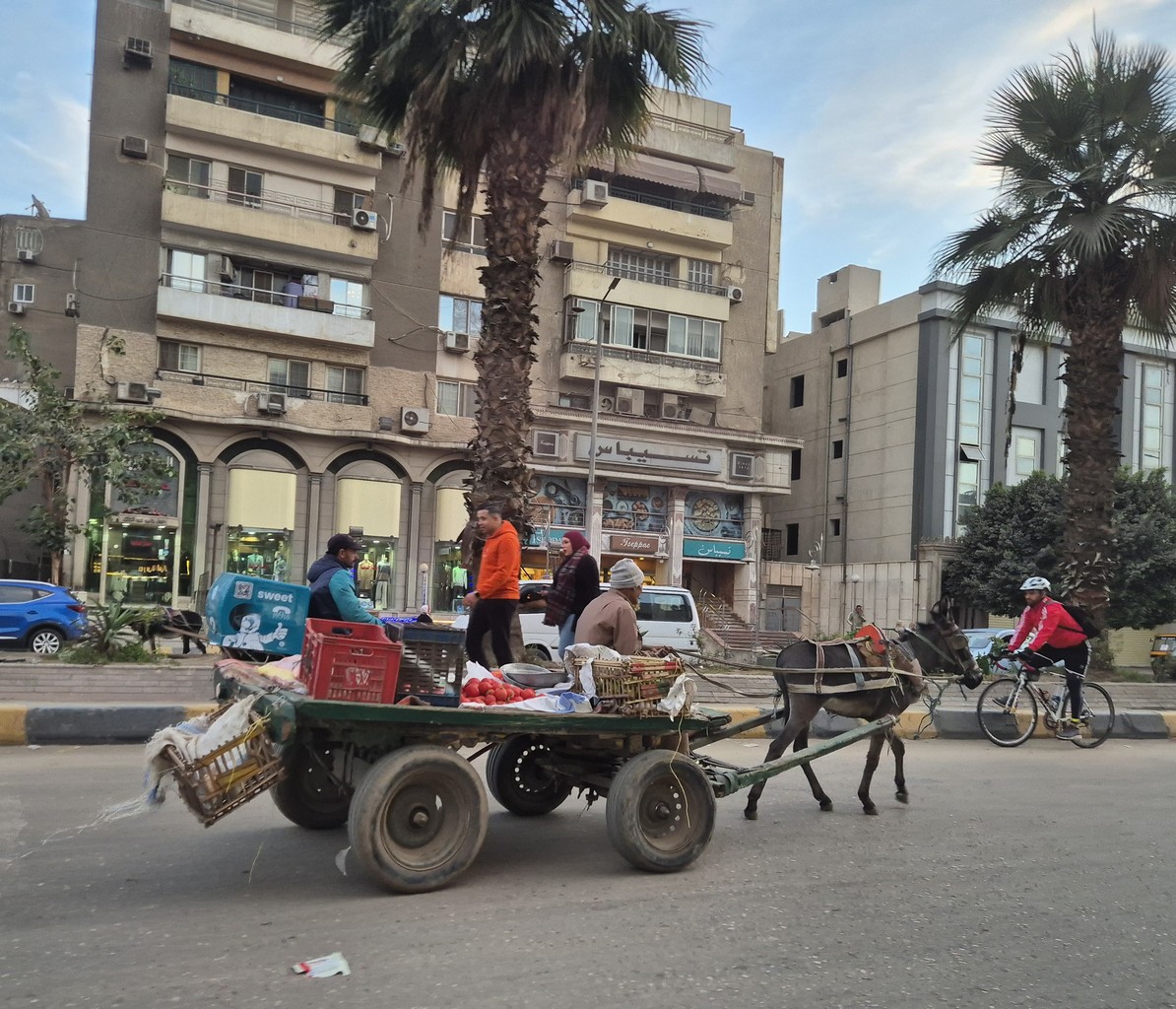
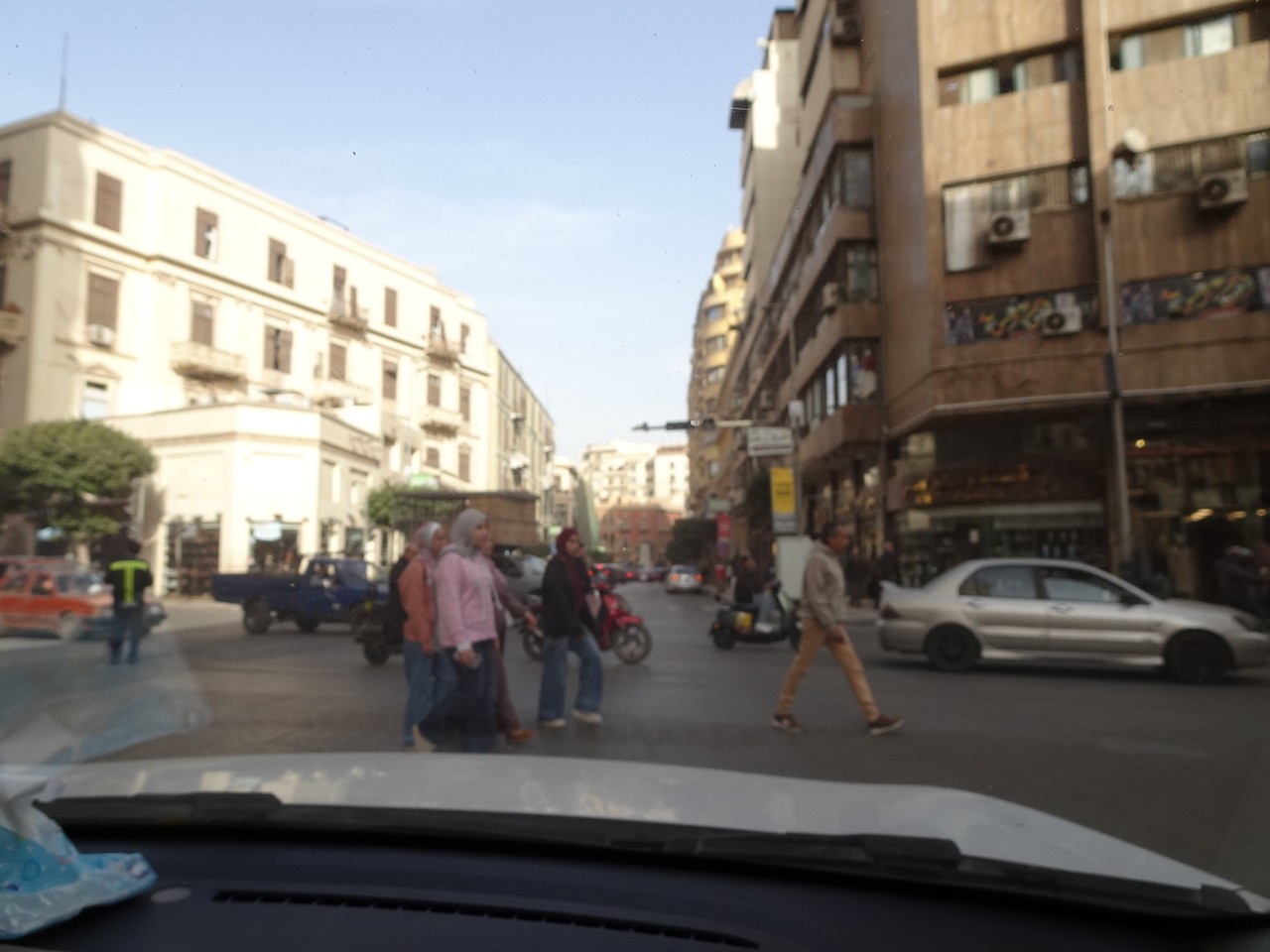
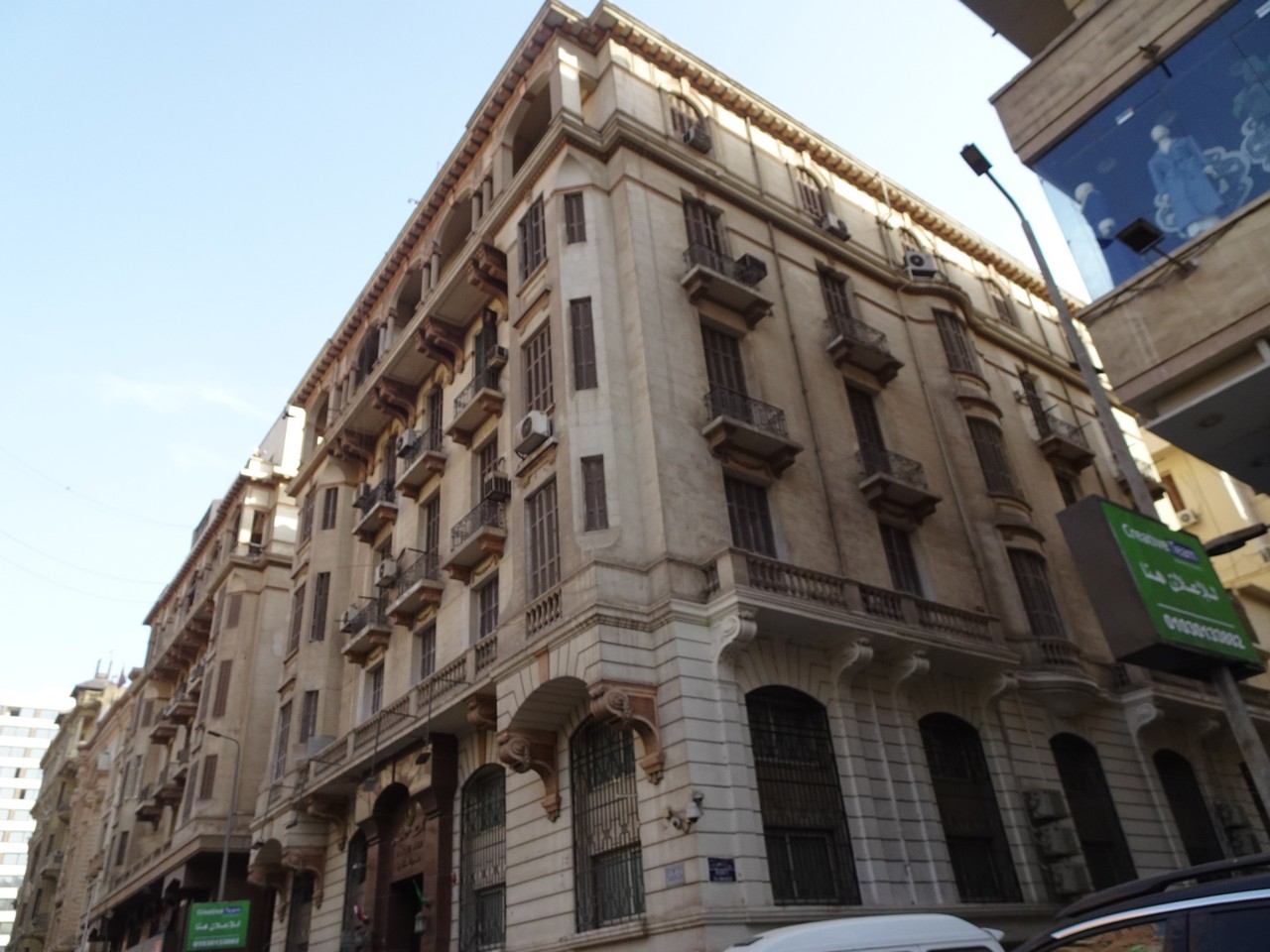
A drive through downtown Cairo allowed us to glimpse architecture reminiscent of Paris. London, or Madrid in the early 20th century.
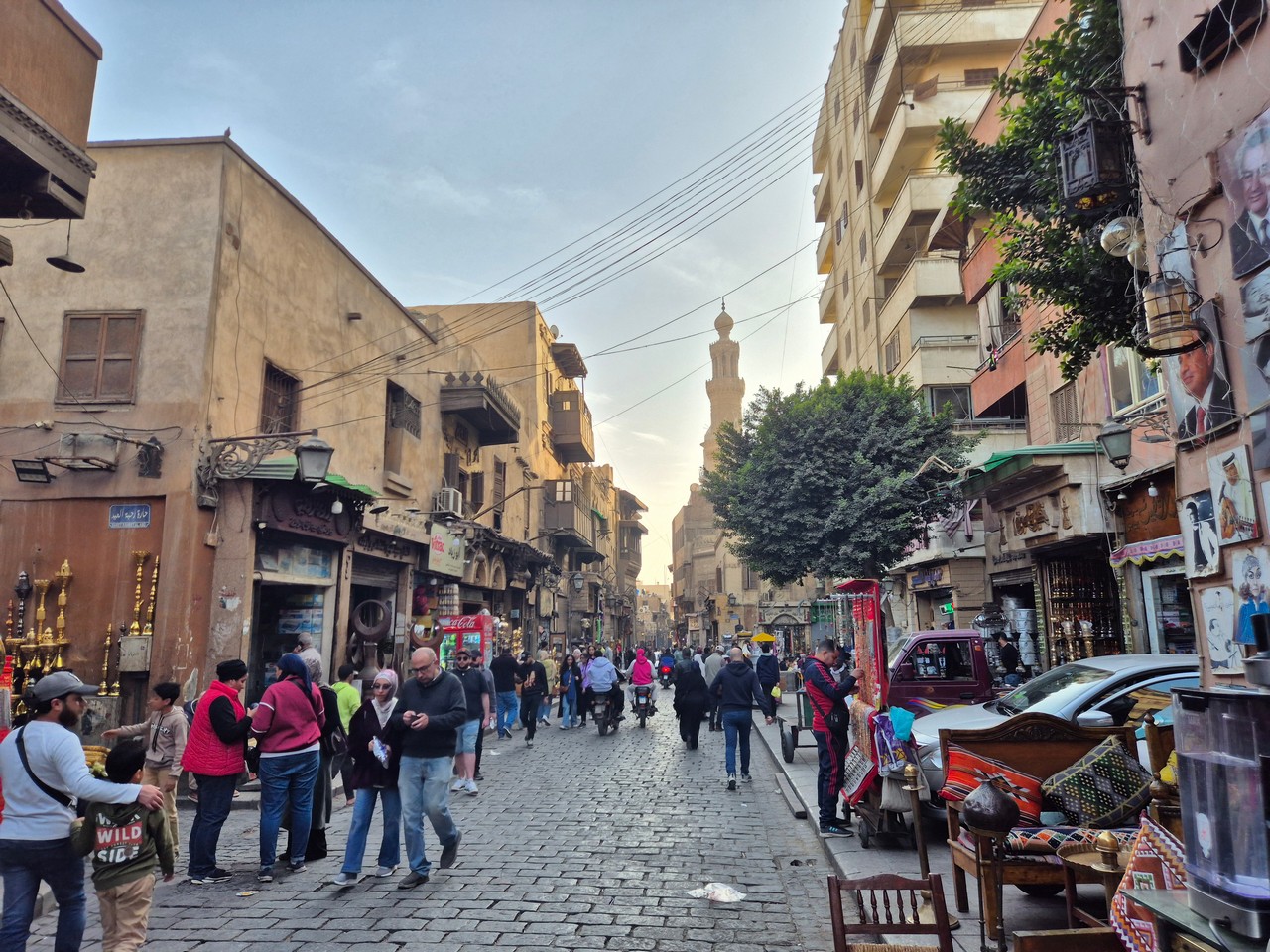
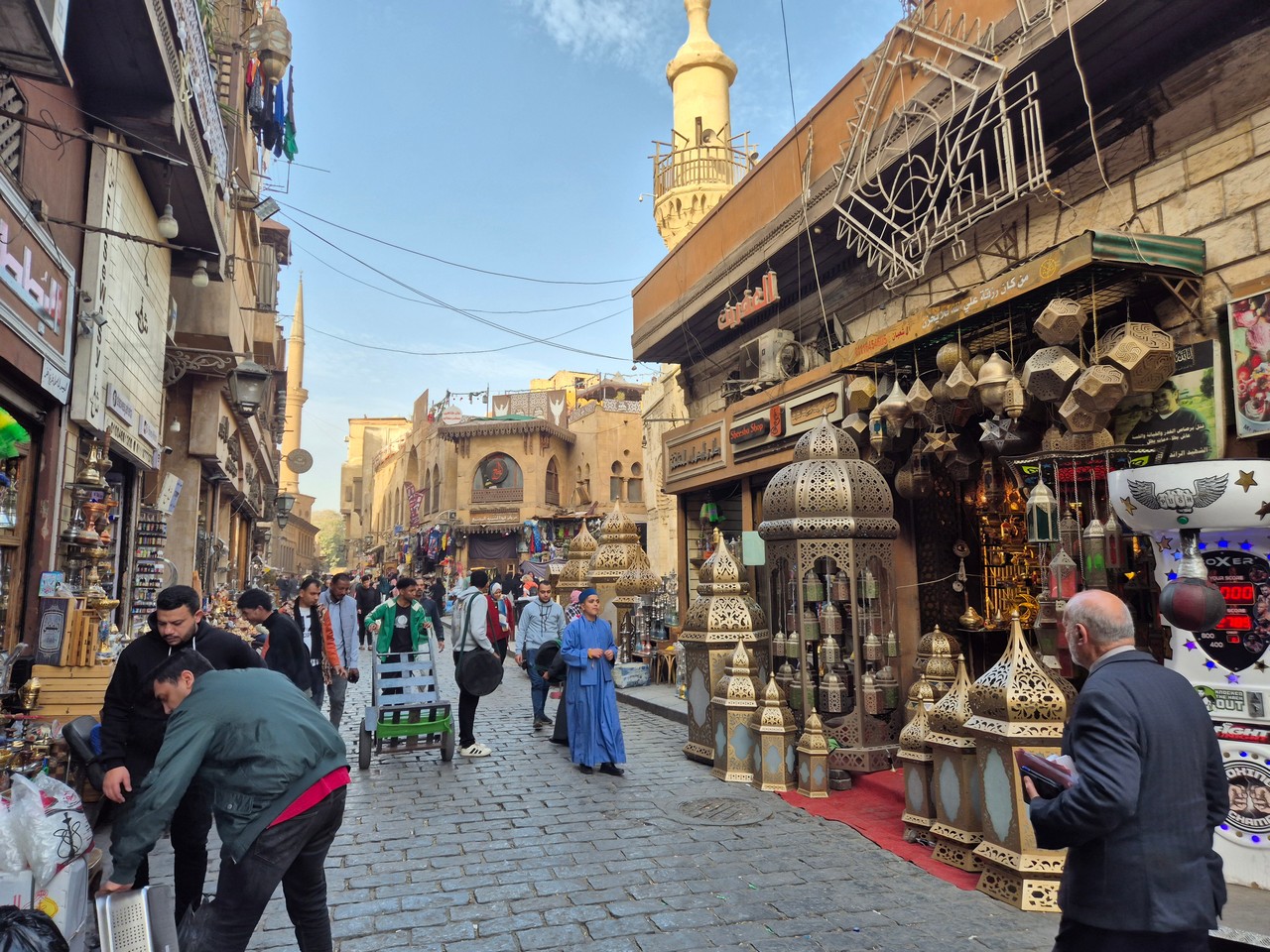
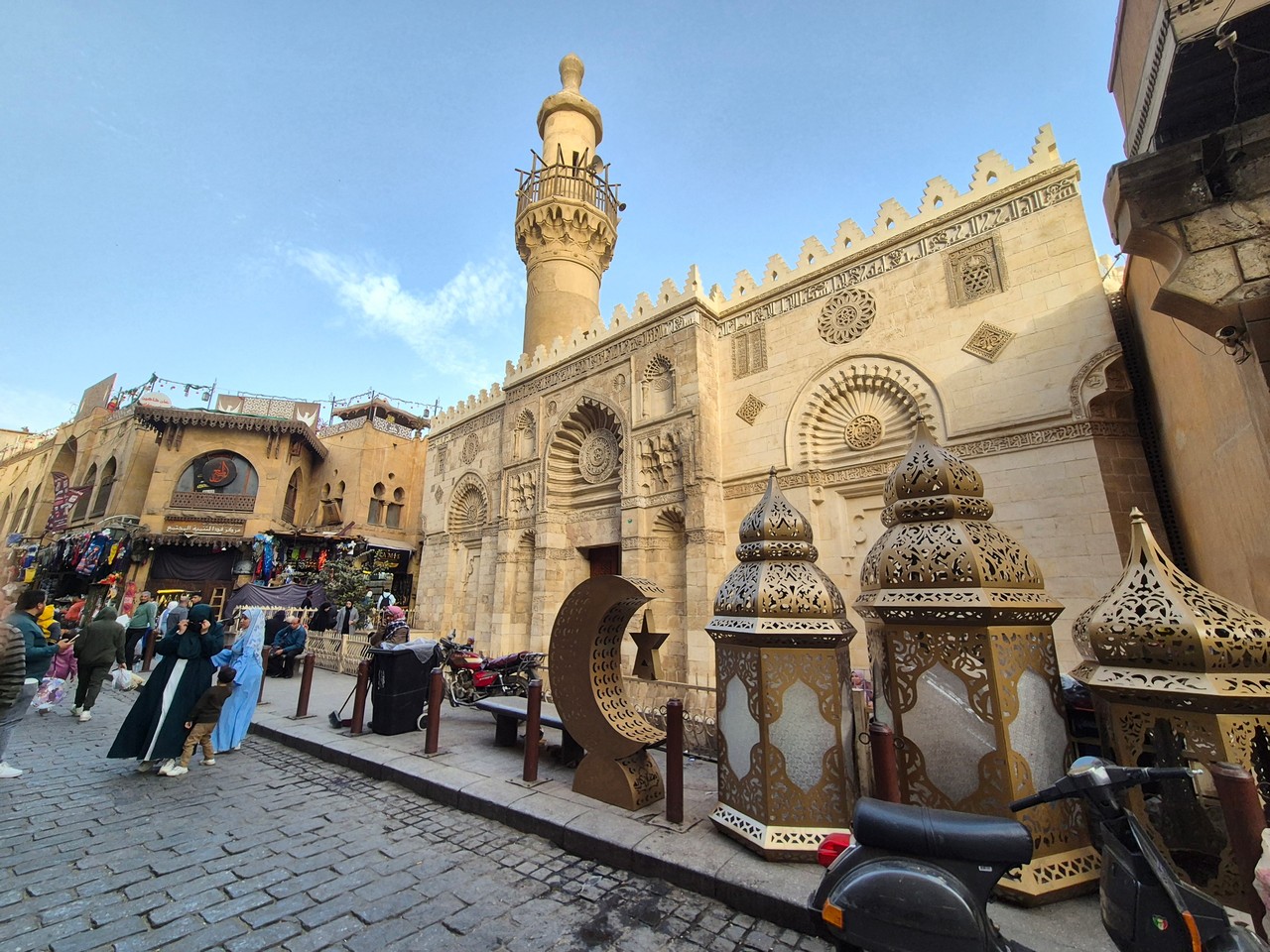
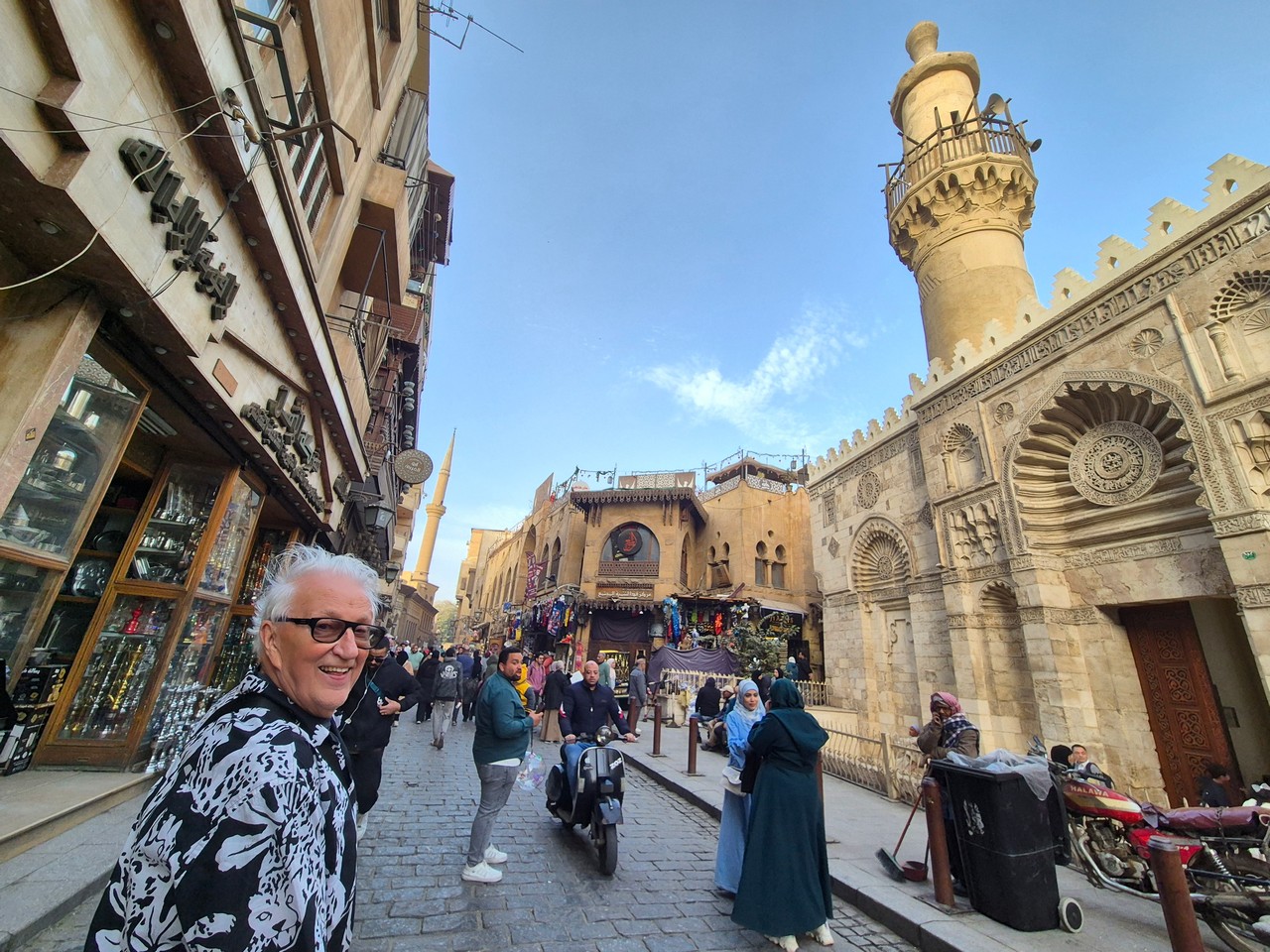
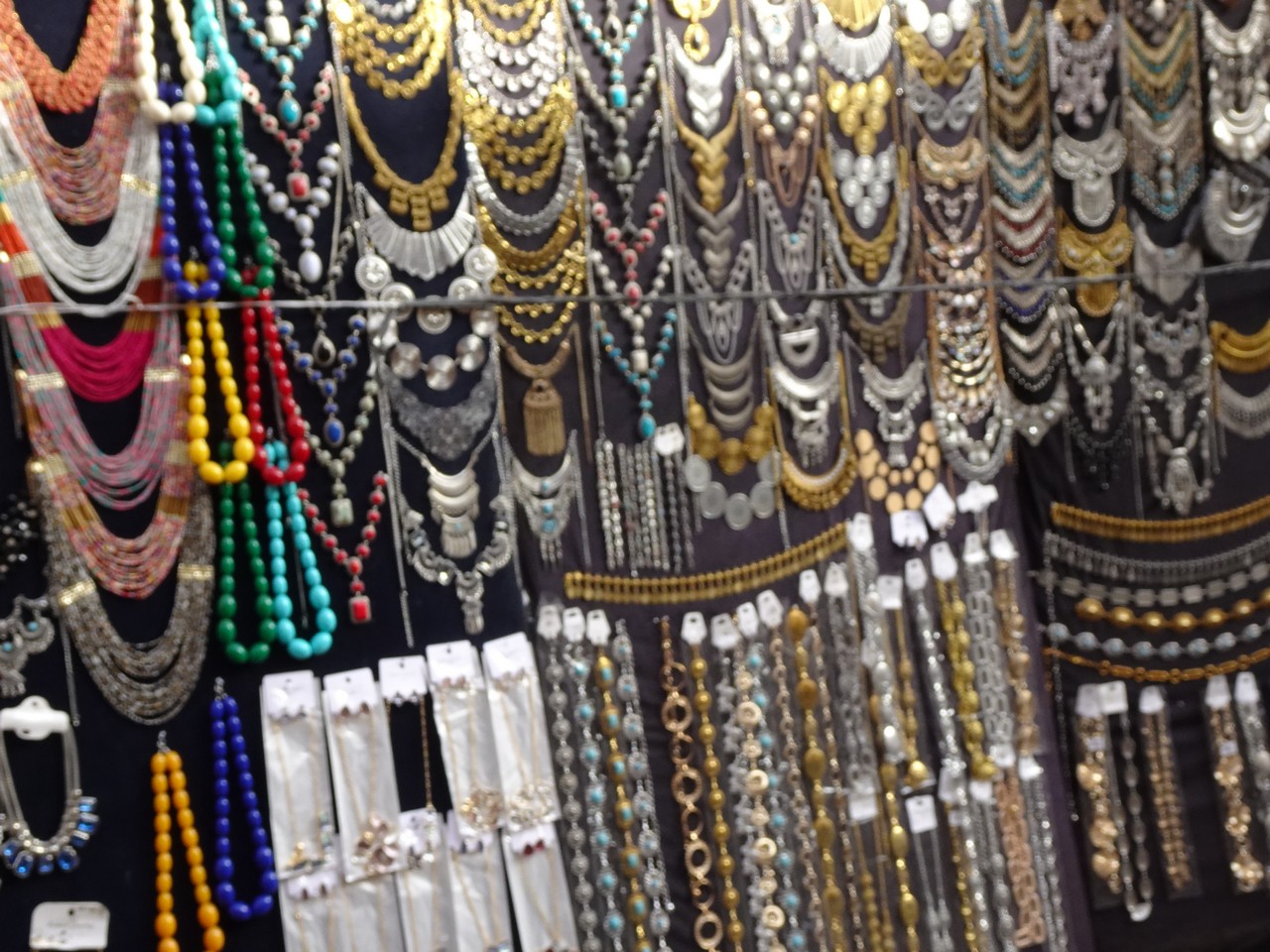
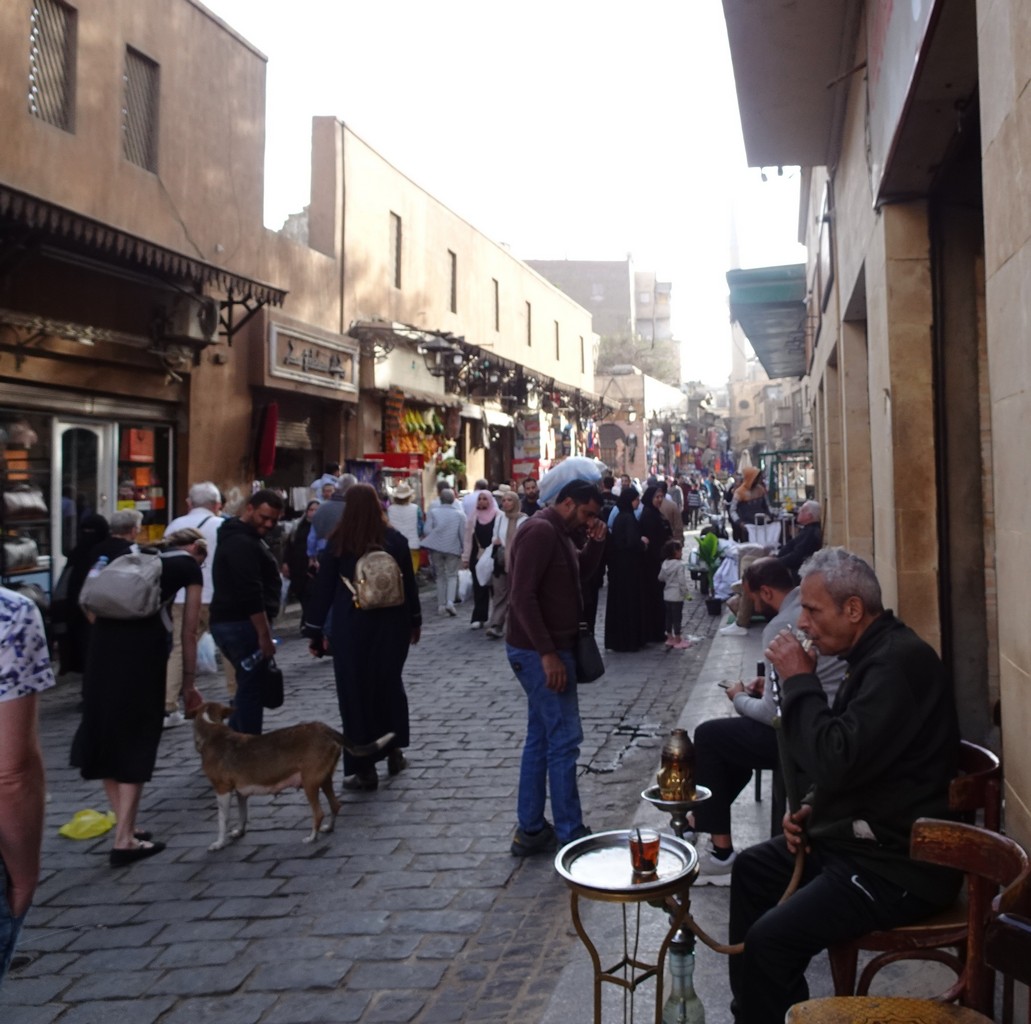
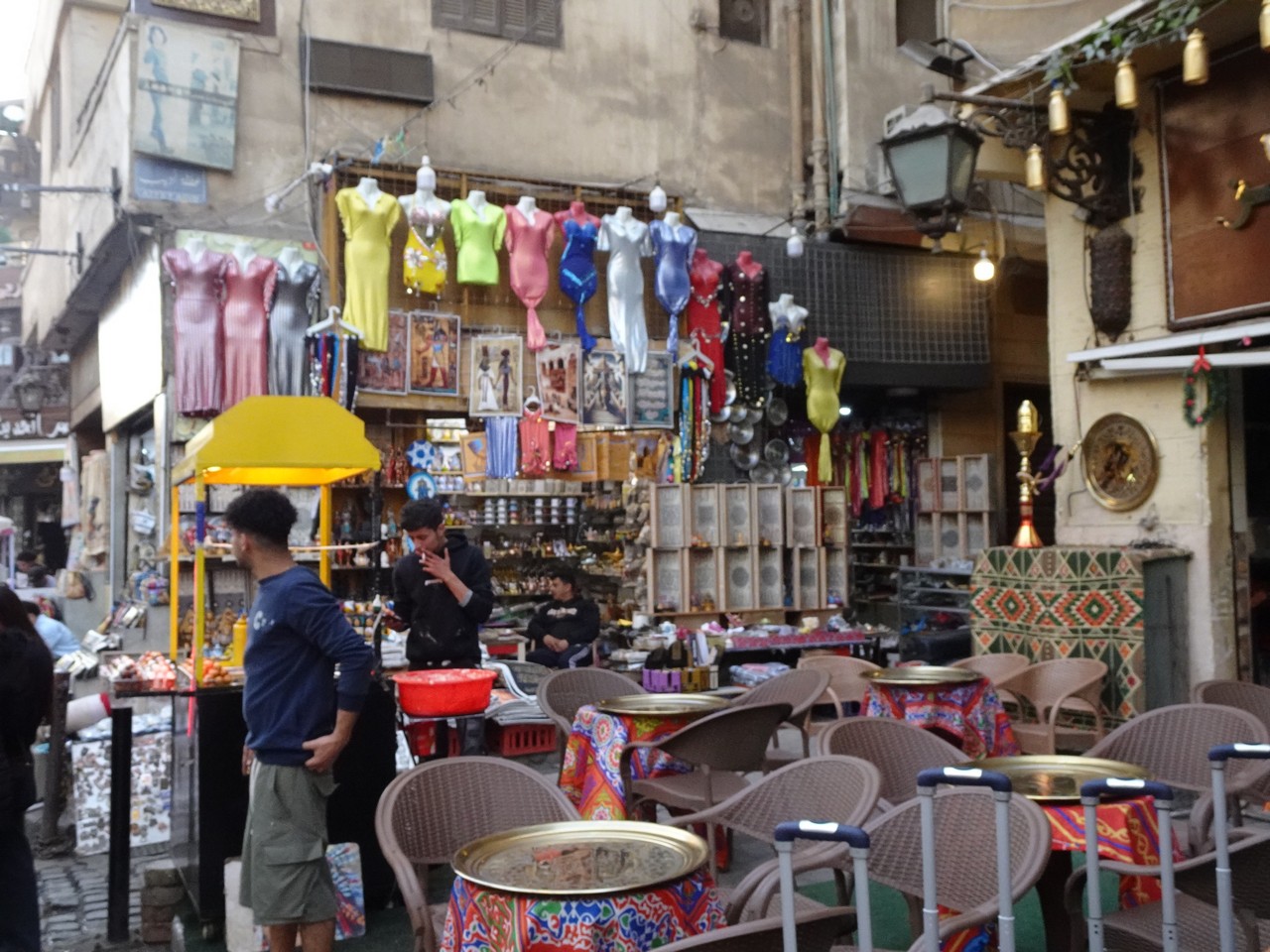
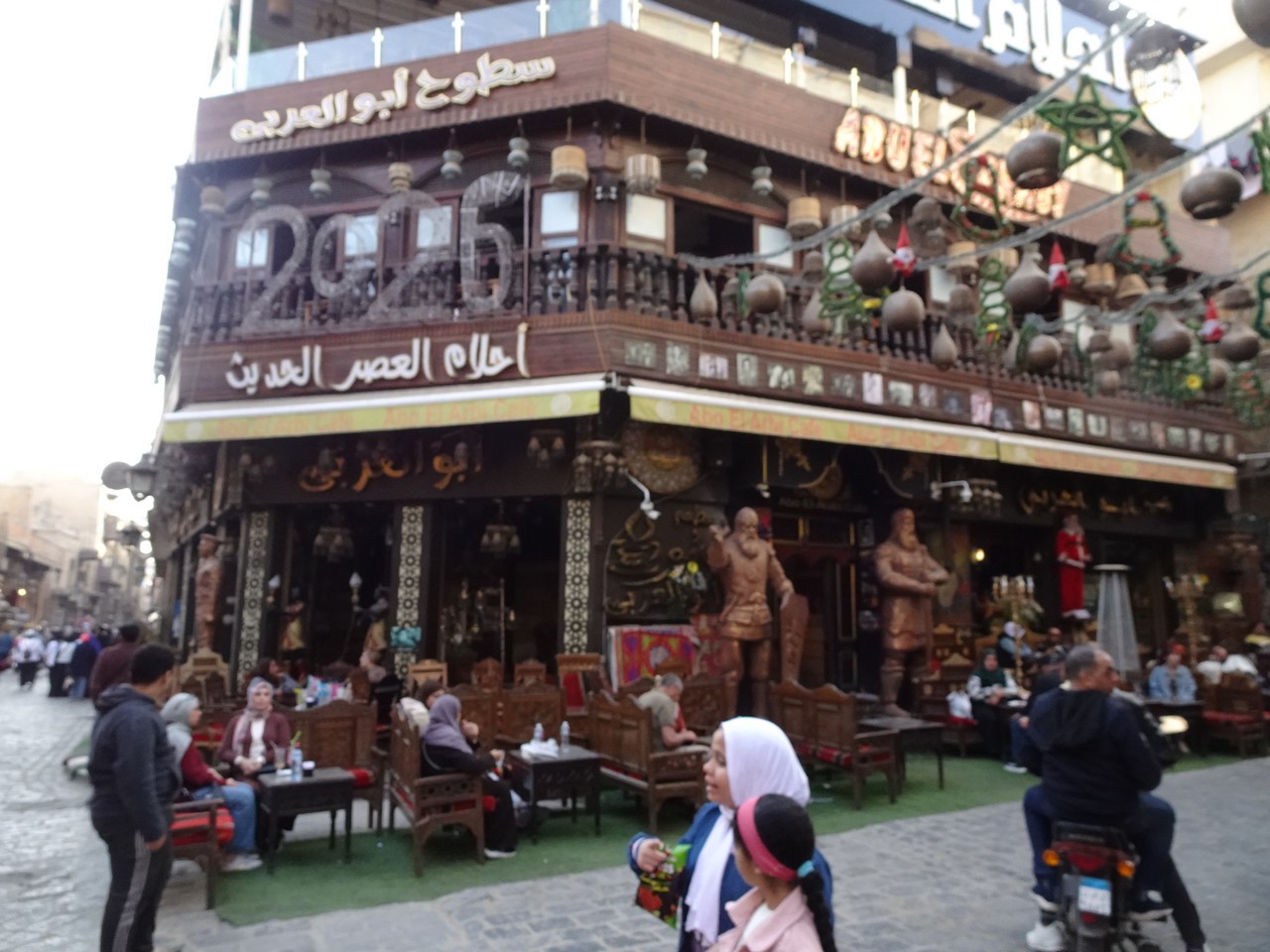
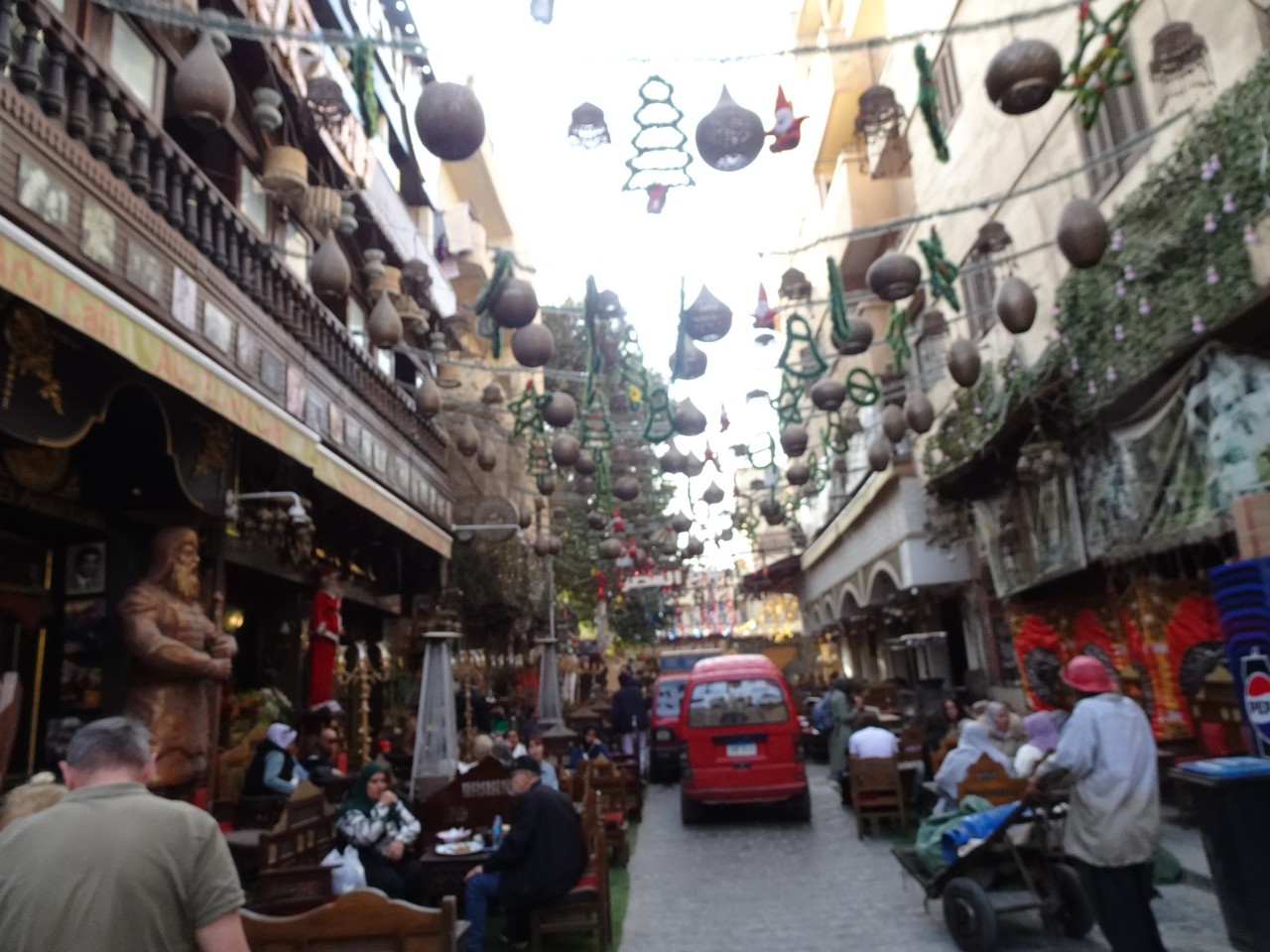
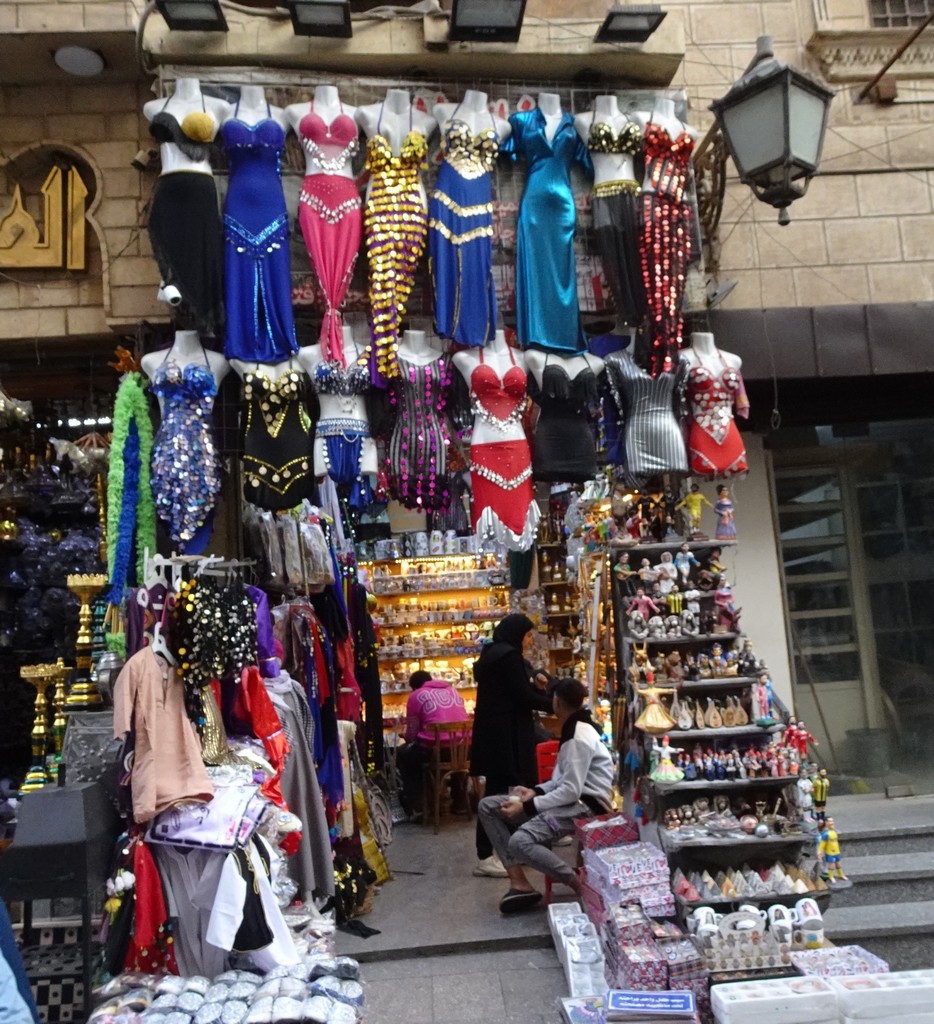
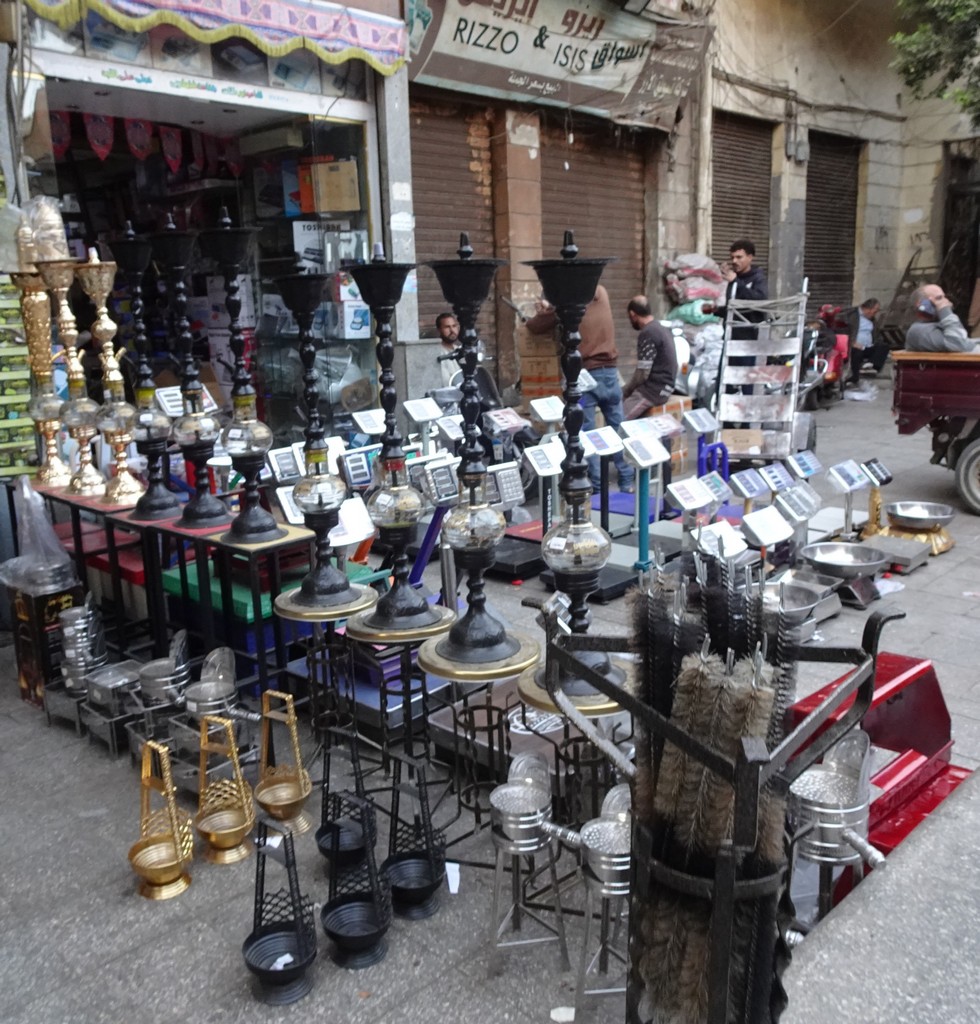
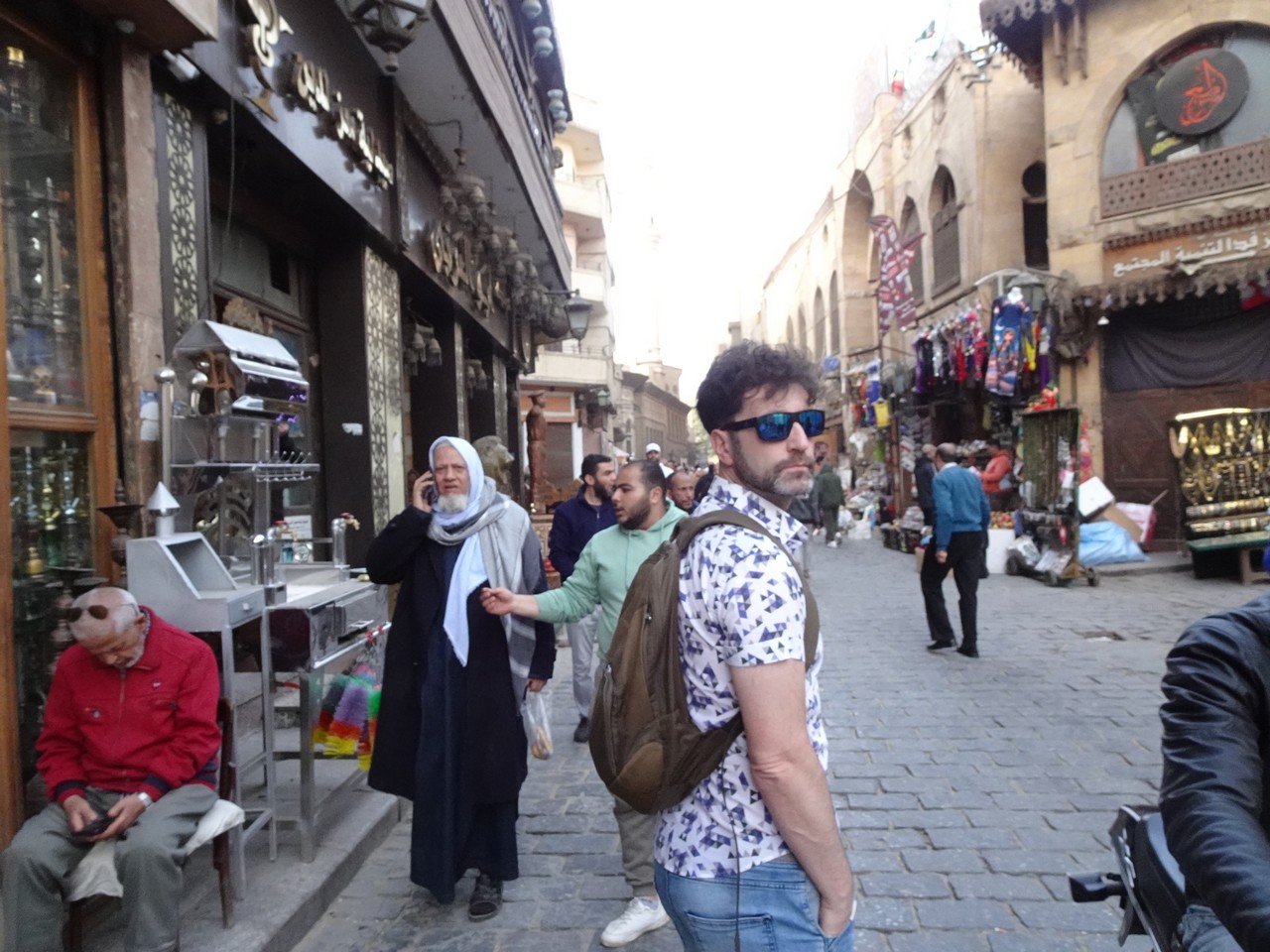
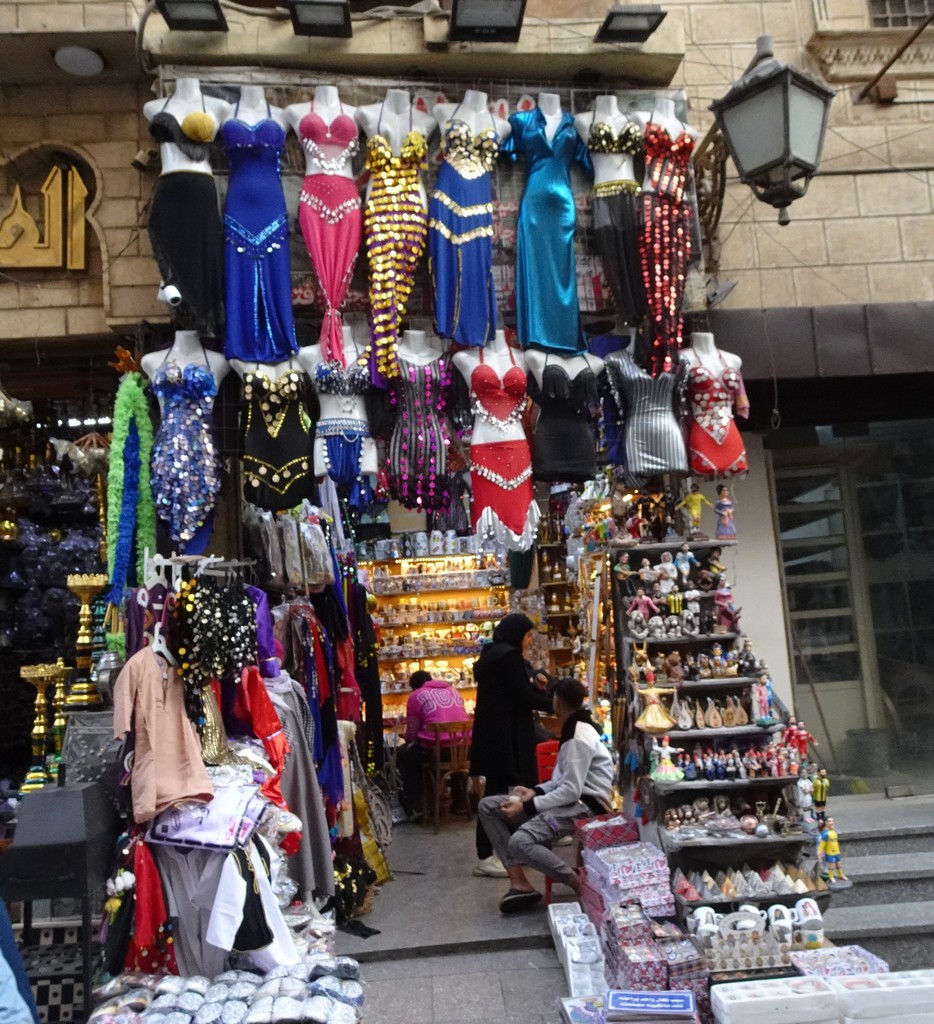
A visit to a tourist bazaar was a must:
"The oldest and most iconic district of Cairo with a tourist bazaar is Islamic Cairo, and the commercial heart of this area is the legendary Khan el-Khalili bazaar. Established in 1382, the bazaar offers a labyrinth of medieval streets, crafts, spices, and souvenirs in a historic setting."
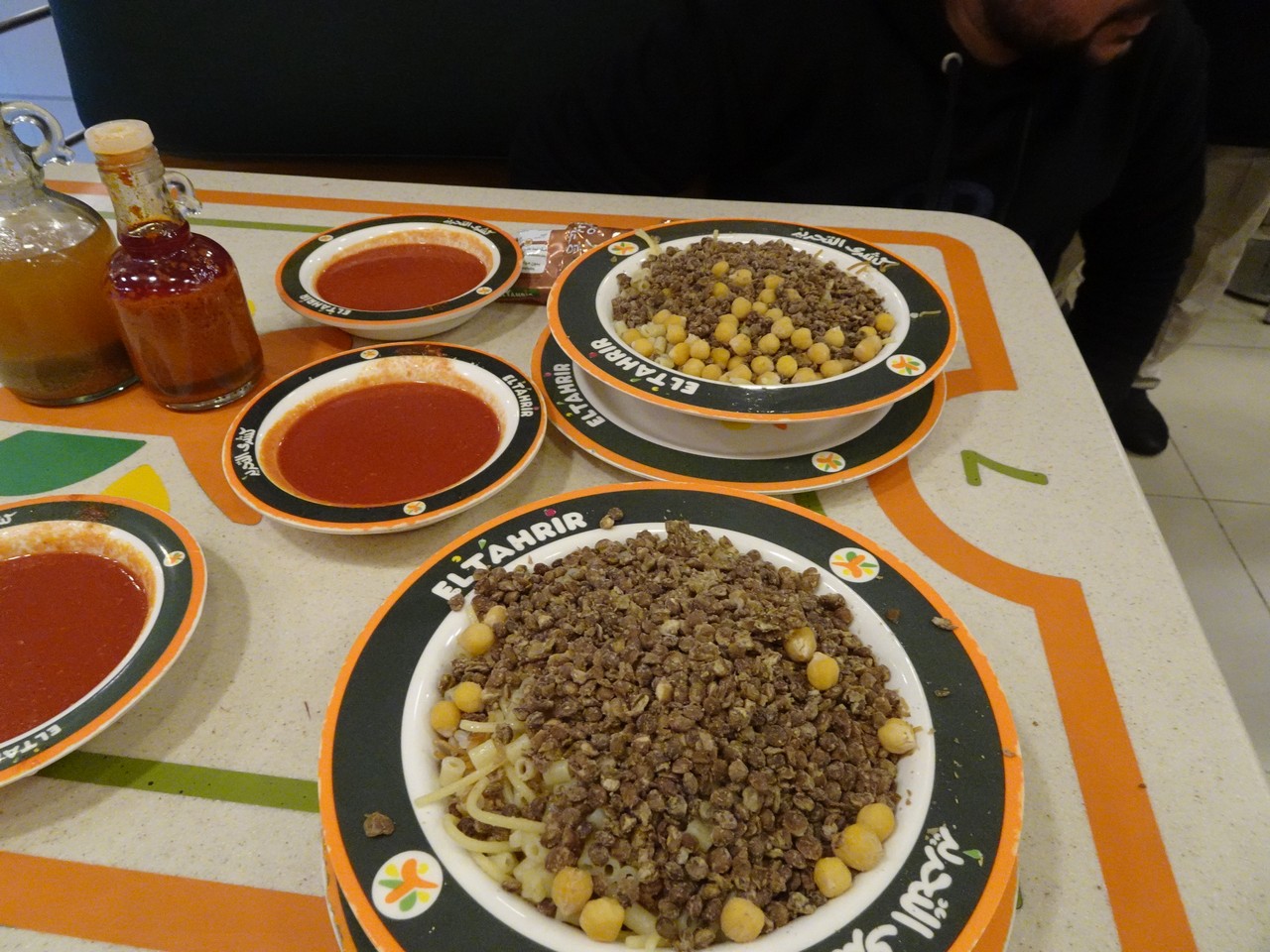
We had a late lunch in the neighborhood where our guide lives, which means it was very local, cheap, and tasty.
This dish was:
"Koshari (kushari) is a popular vegetarian national dish of Egypt, consisting of layers of rice, brown lentils, pasta (often elbow macaroni and spaghetti), and chickpeas. The whole dish is topped with a spicy tomato sauce with garlic and vinegar, and topped with a generous amount of crispy fried onions. It's a cheap, filling street food, often served with an additional hot sauce (shatta) or a garlic-vinegar sauce (daqqa).
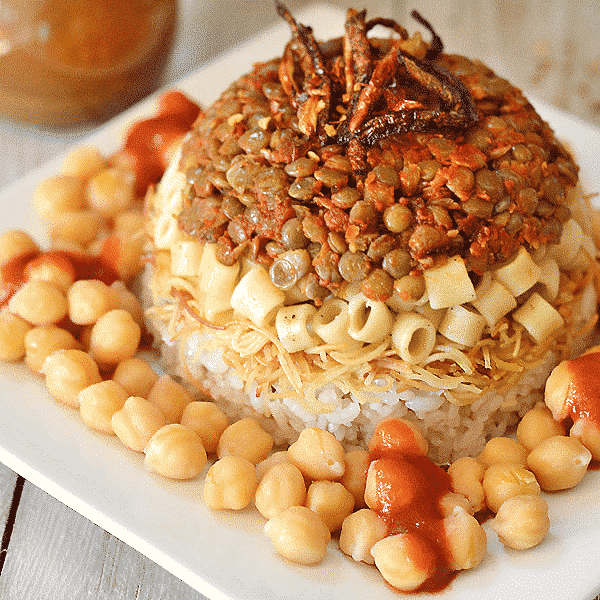
Koshari dates back to the 19th century, and its roots are linked to Indian and Italian influences (hence the combination of rice, lentils, and pasta)."
The recipe is available upon request, and those who are lazy in the kitchen are welcome to join us for dinner.
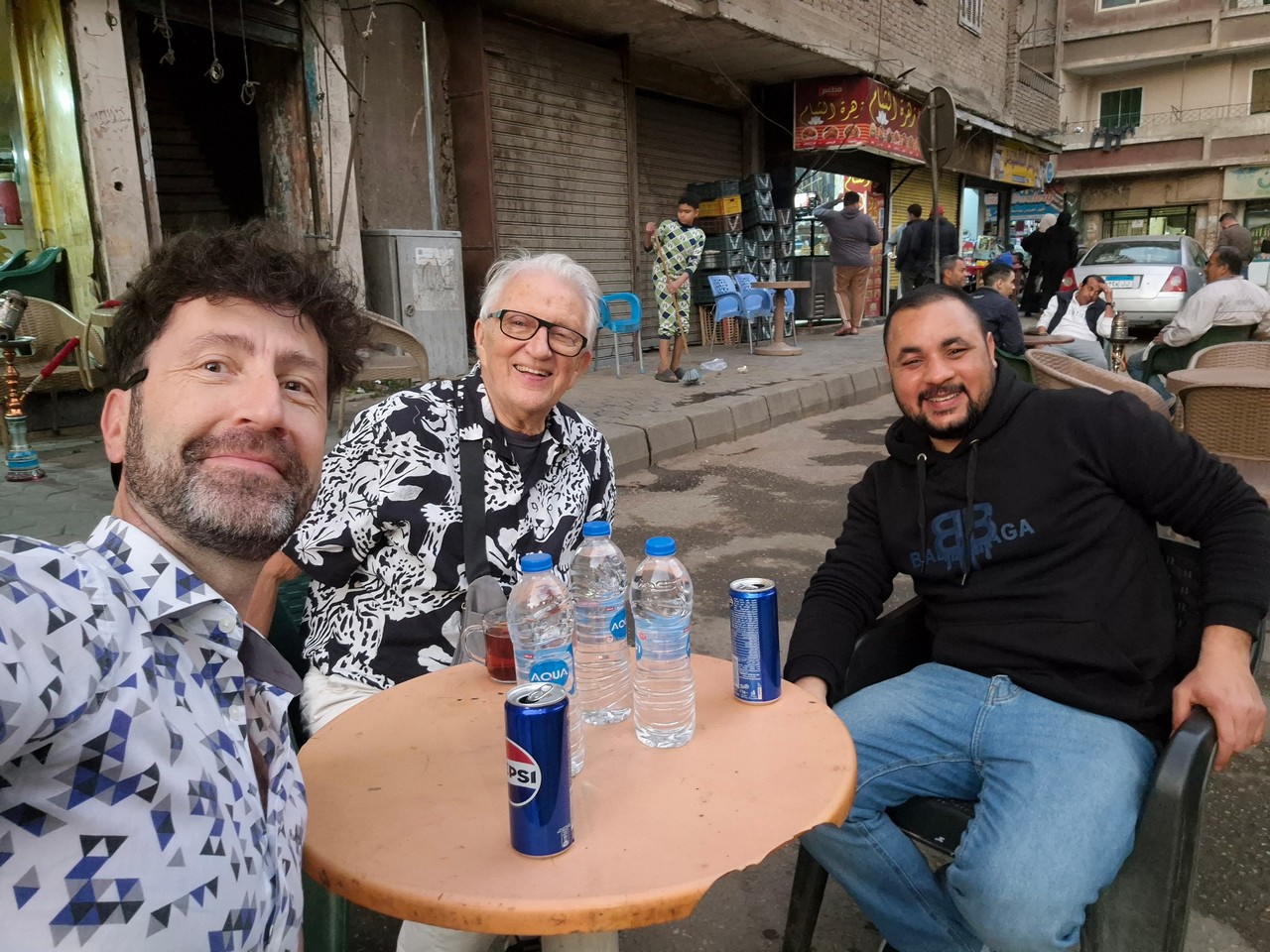
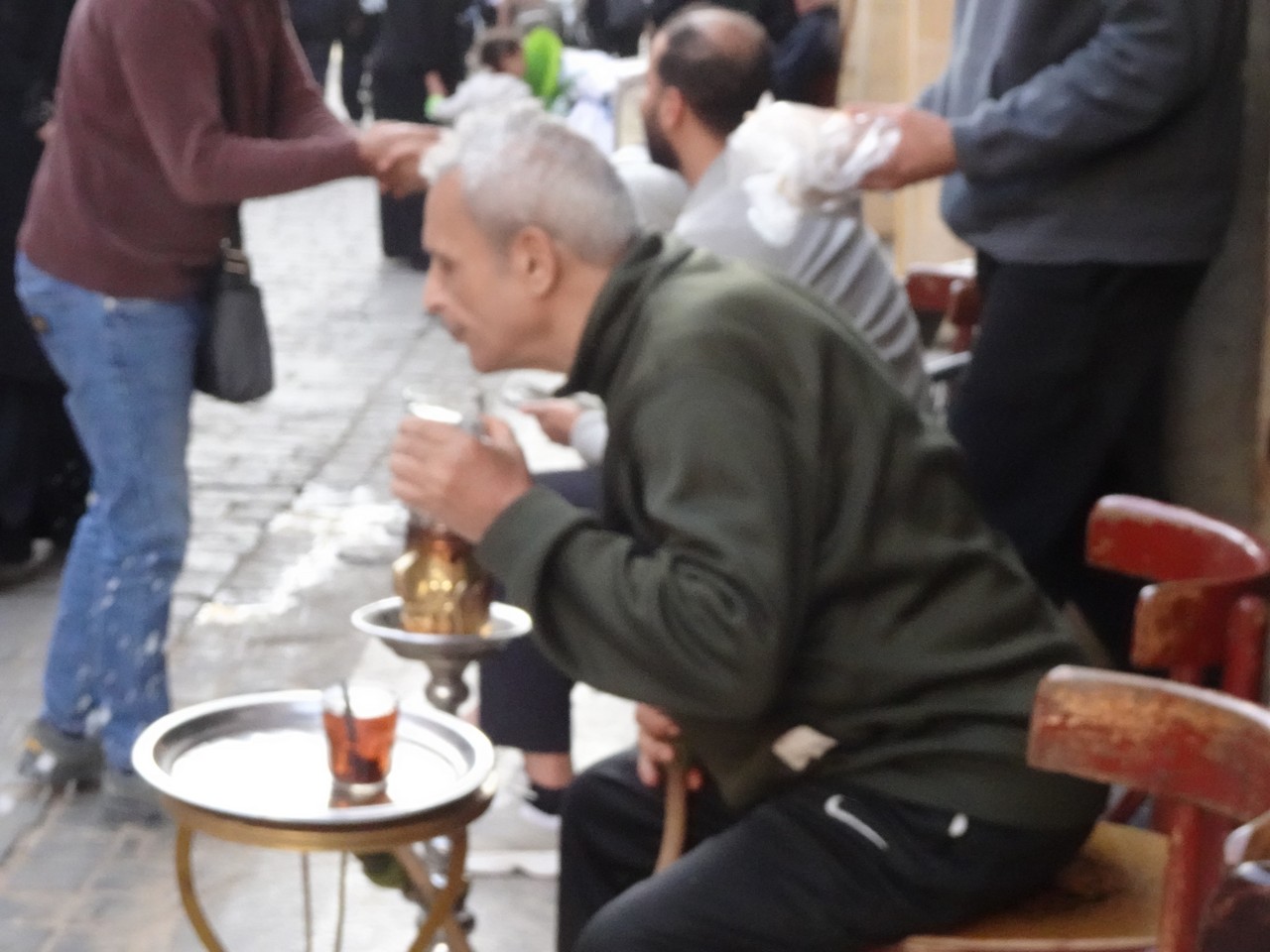
At the end of the day, tea was served at a café where Muhammad spends a lot of time... (it's boring at home – wife and kids, though).