Nosy Komba
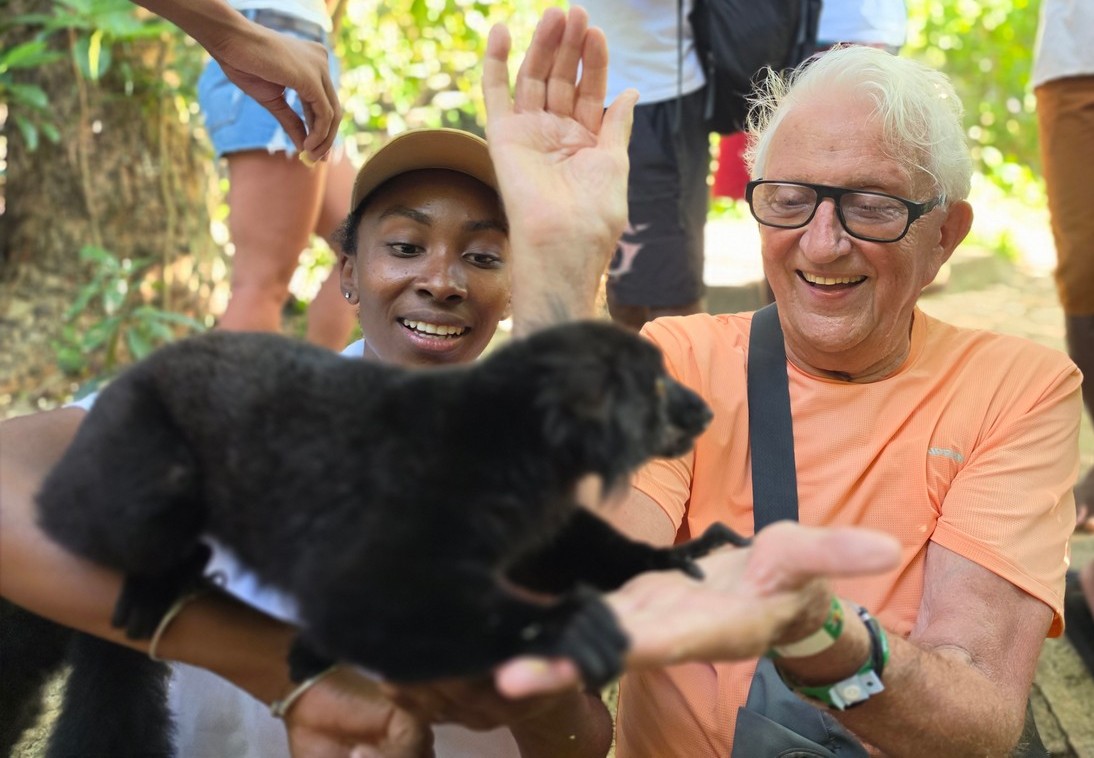
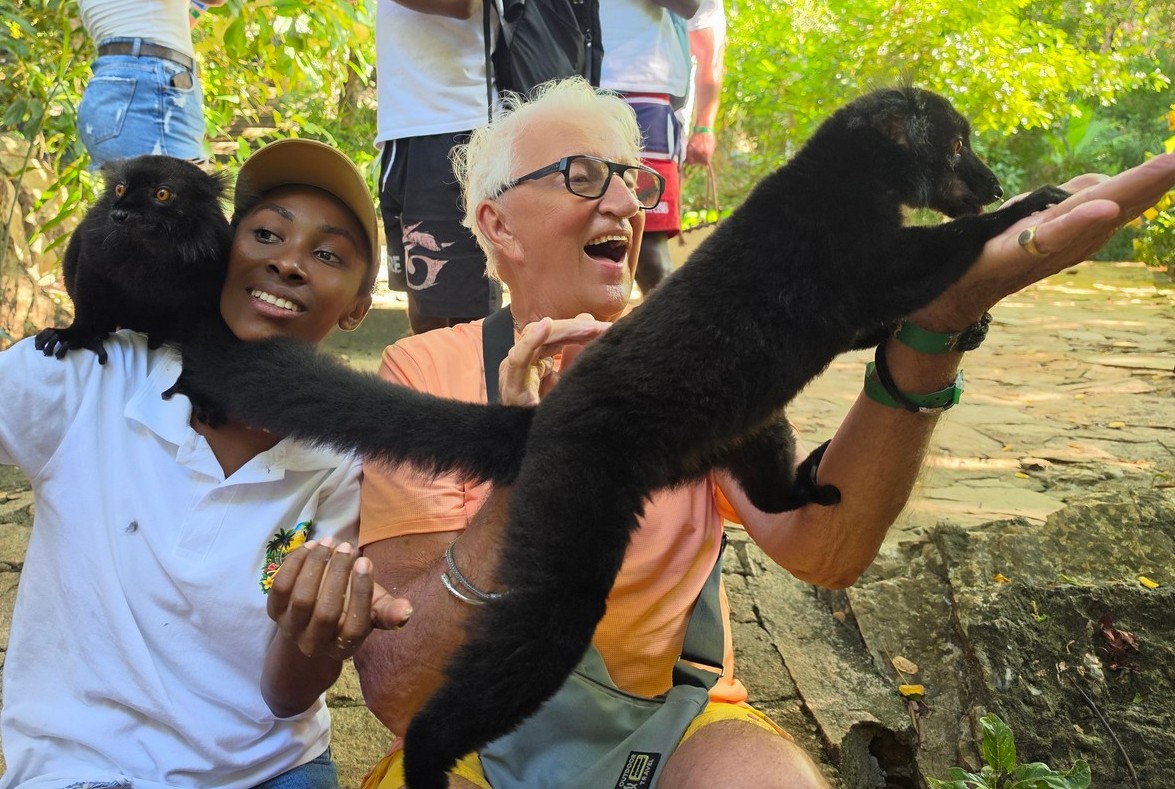
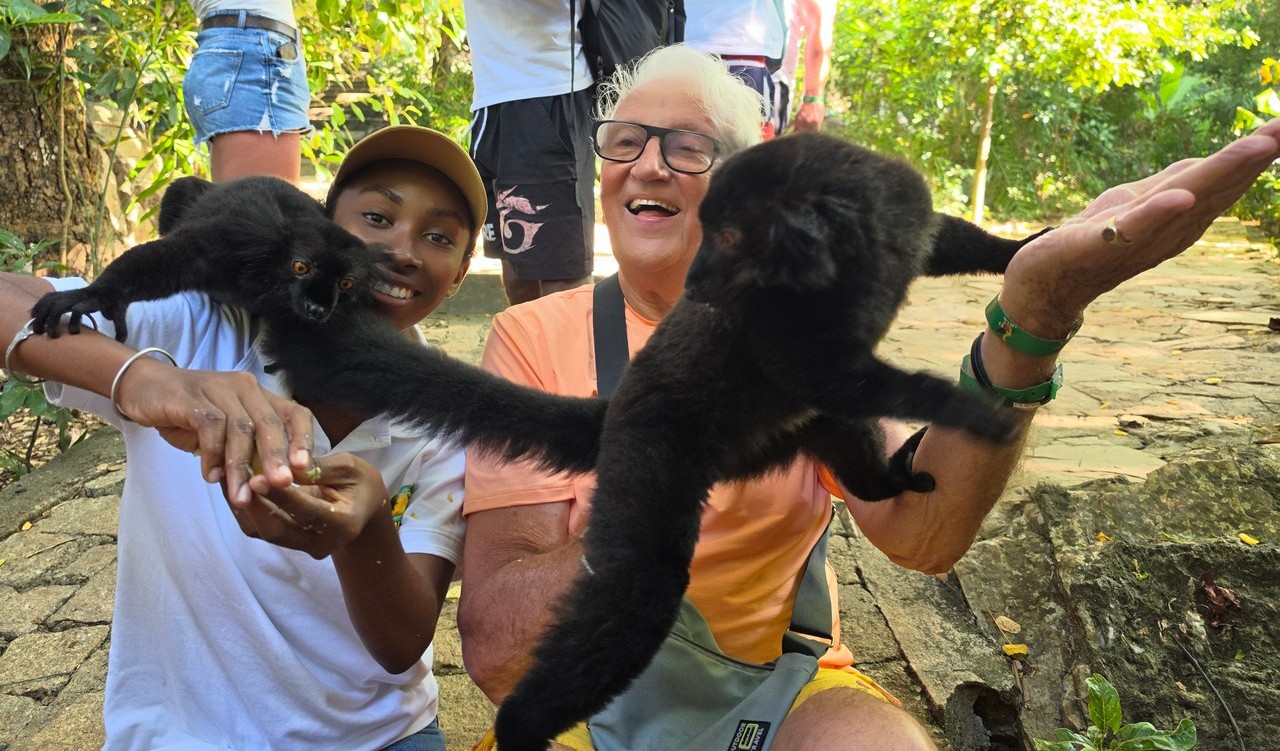
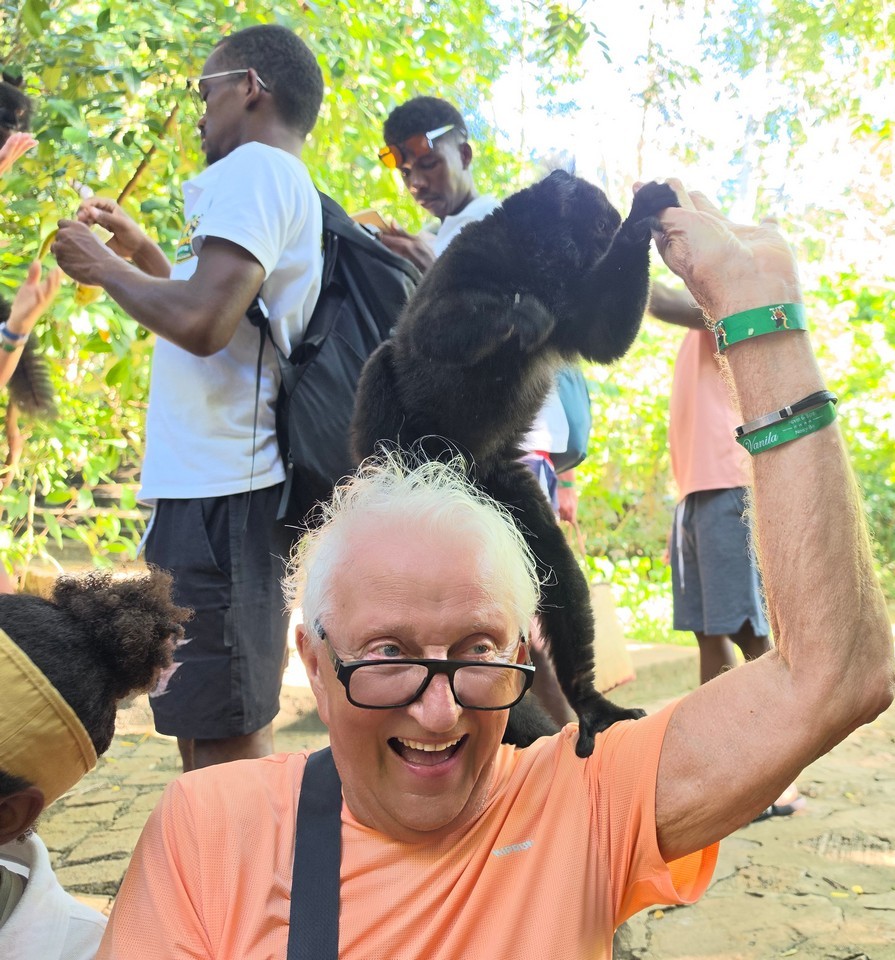
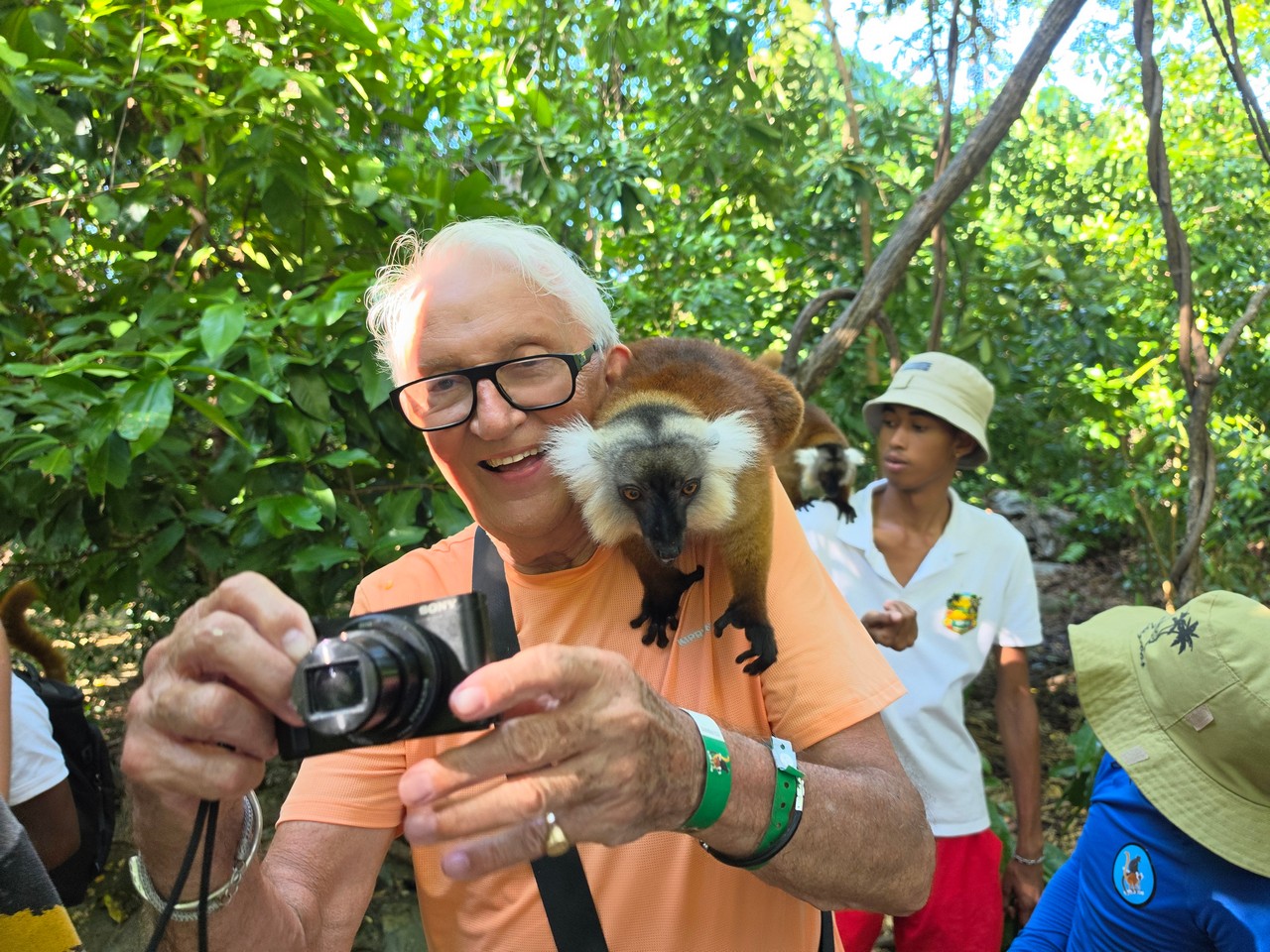
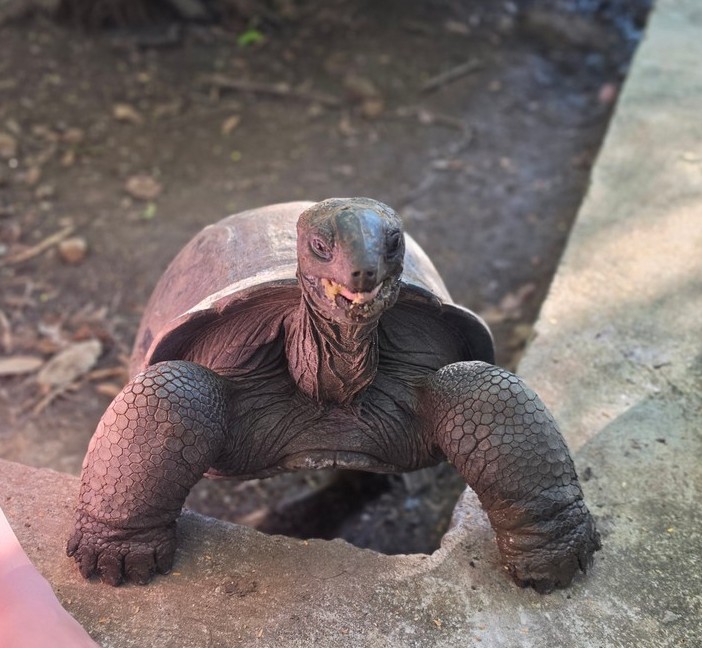
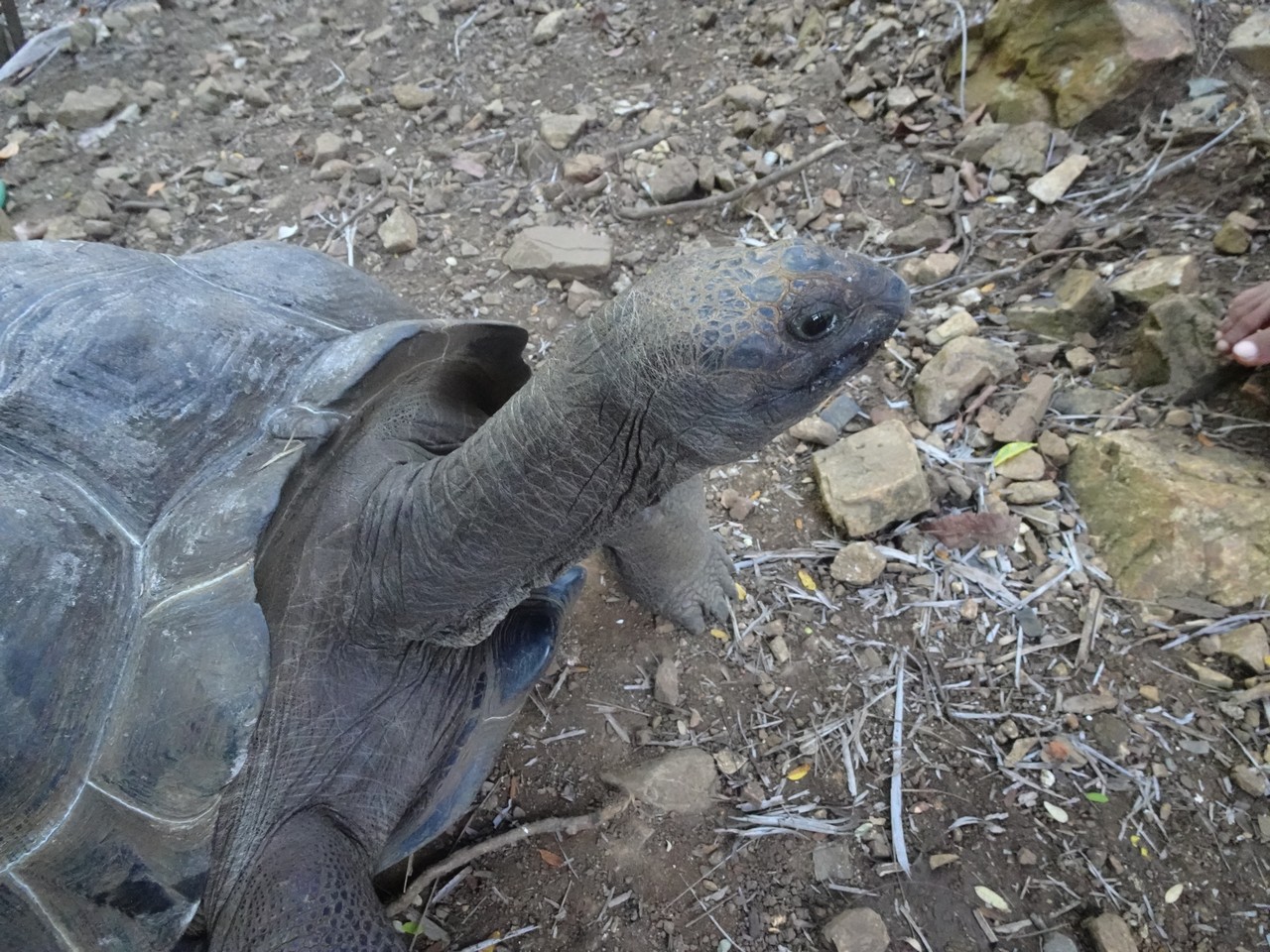
Here we have our lunch, after which we climb through a large village (Ampangorinana) and tropical forest to reach a paradise of lemurs, snakes, and forest turtles.
Nosy Komba (Malagasy pronunciation: [nusʲ ˈkuᵐba]; literally "lemur island"), also known as Nosy Ambariovato, is a small island (the largest of the three visited) located between Nosy Be and the northwest coast of Madagascar's main island.
"The island resembles a giant turtle emerging from the ocean. Nosy Ambariovato simply means "surrounded by rocks." Volcanic boulders protect the island from powerful waves, which reach its shores subdued and gentle. It boasts a remarkably peaceful atmosphere – there are no roads, electricity grids, or cars, hotels use only solar energy, and attention to environmental protection is paramount. The island is a haven for many rare species of lemurs, which are considered sacred by locals. For example, the black lemur can be found here, feeding on toxic centipedes, which locals consider to have supernatural powers.
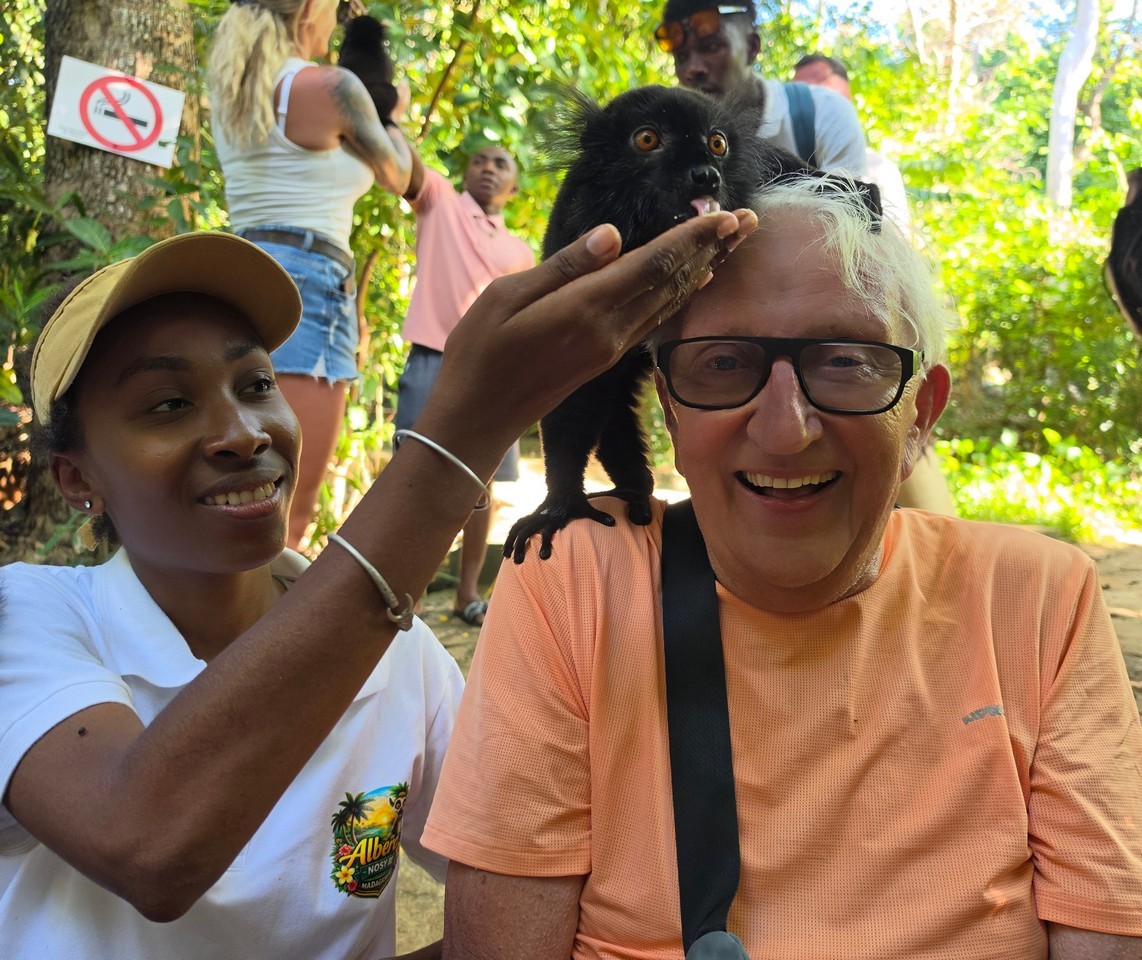
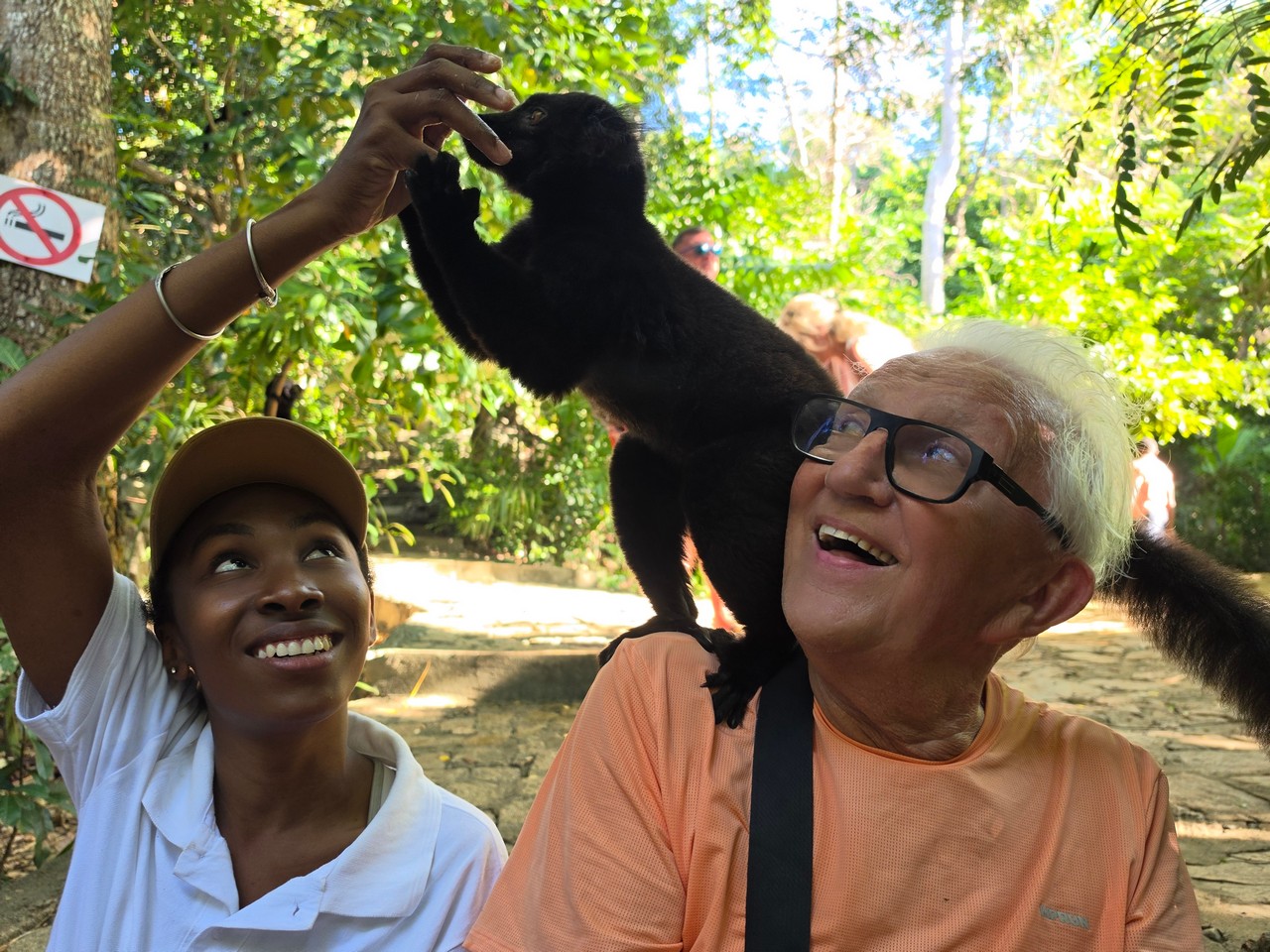
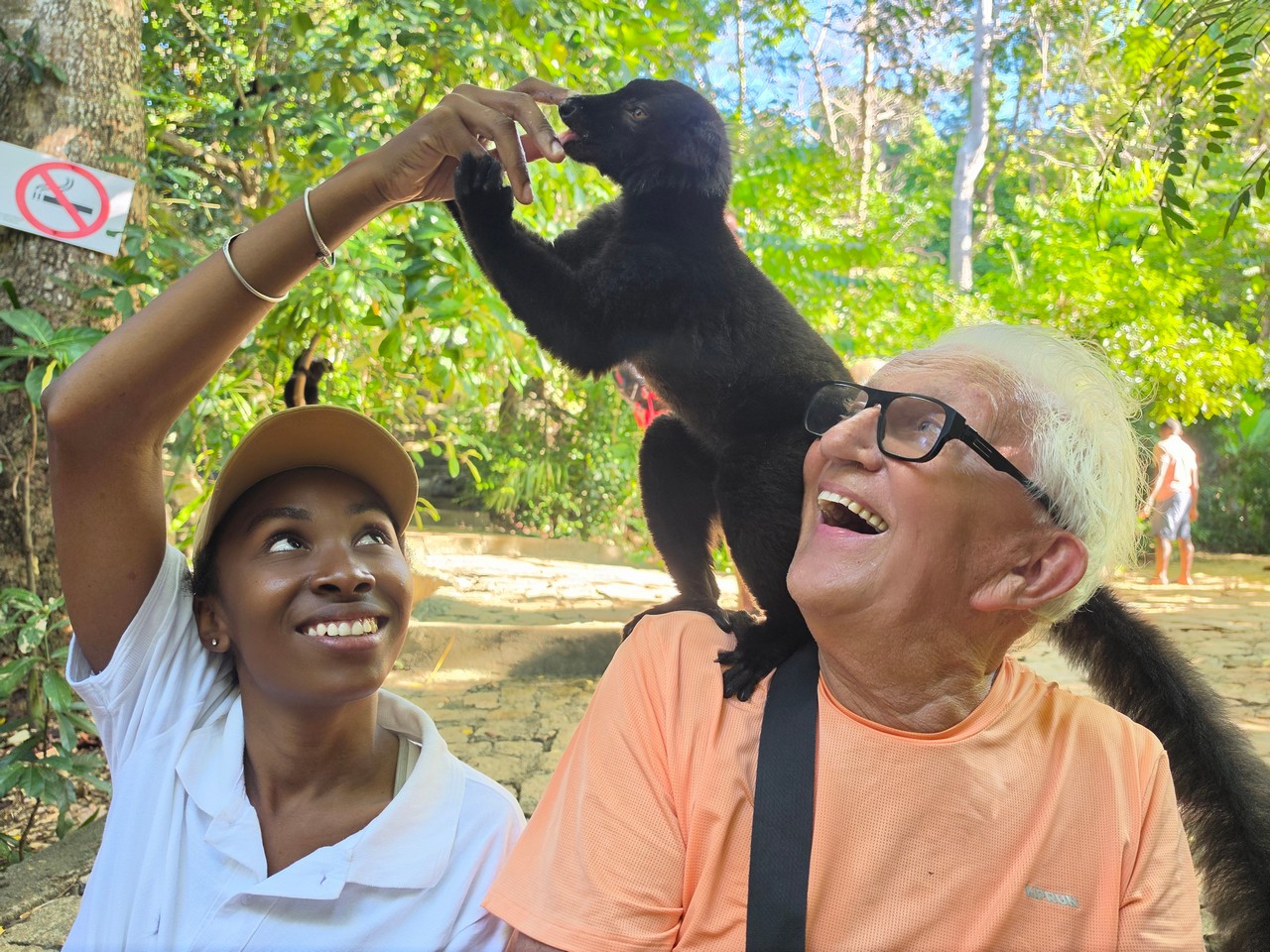
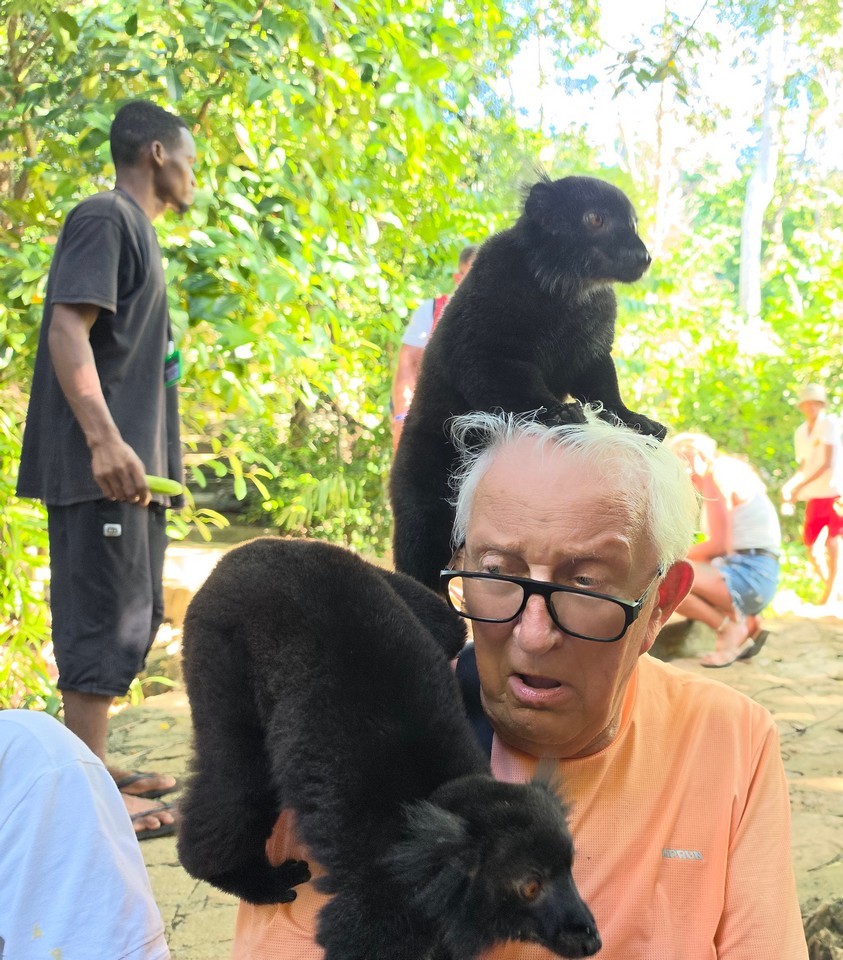
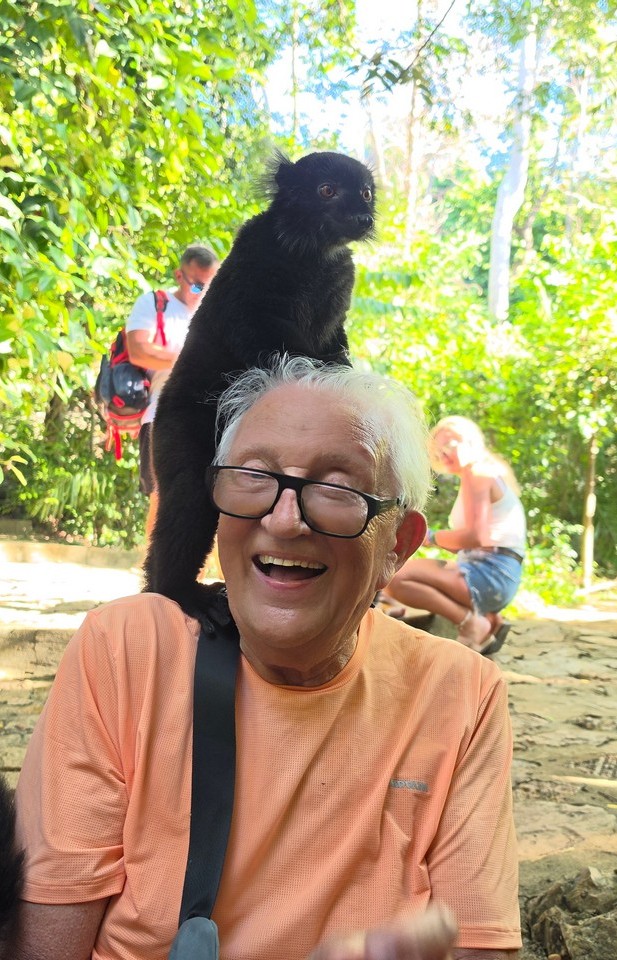
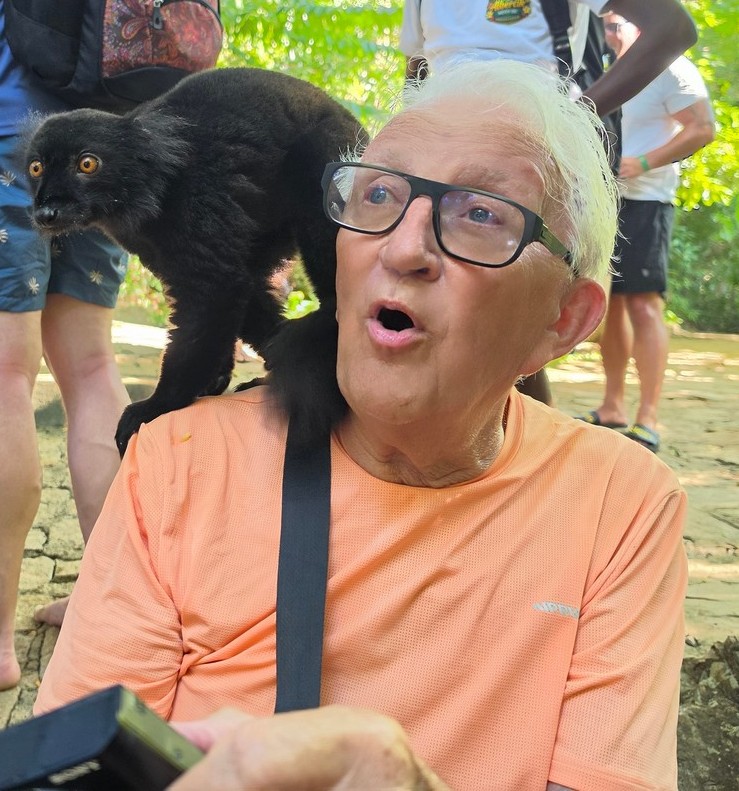
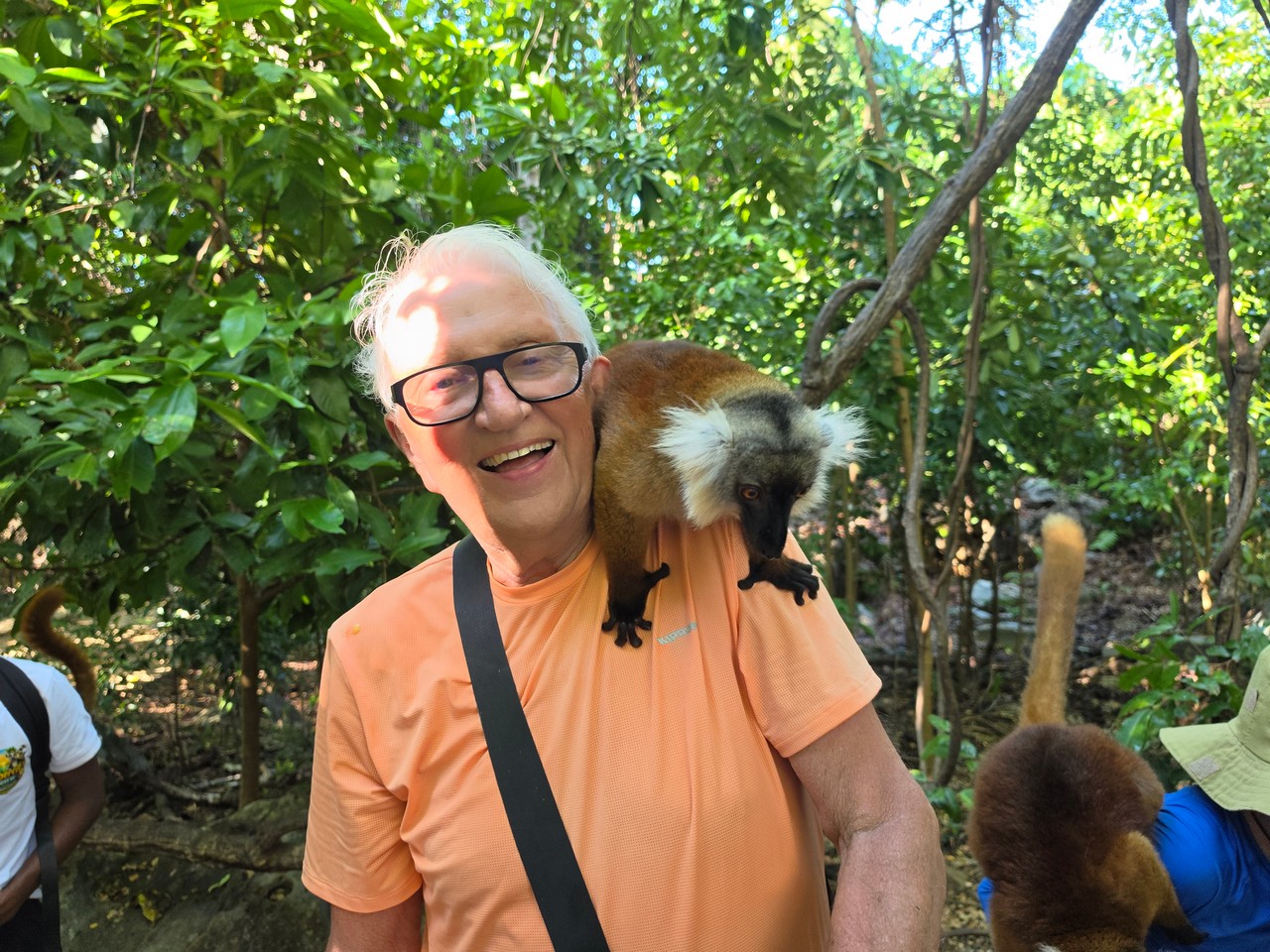
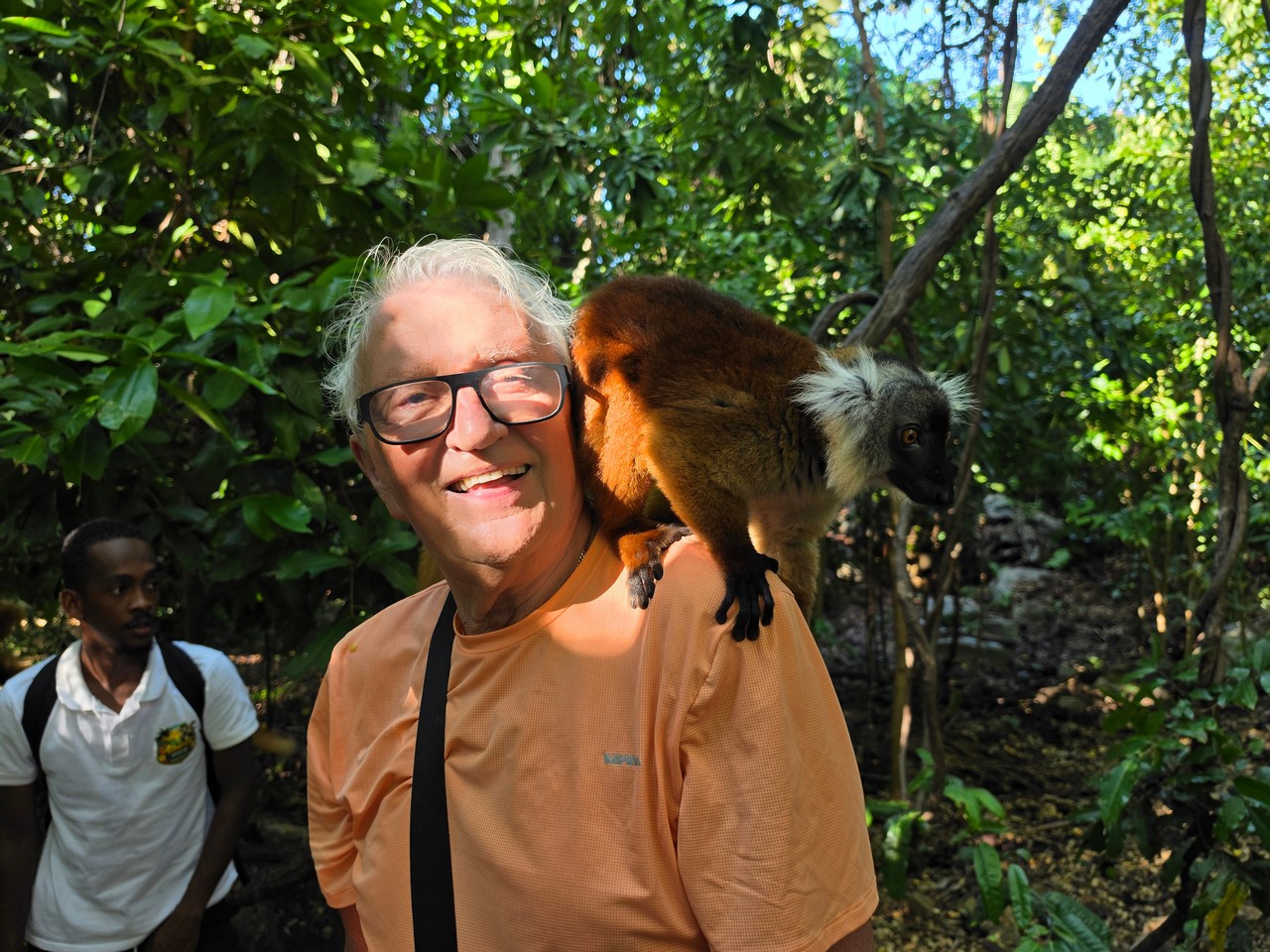
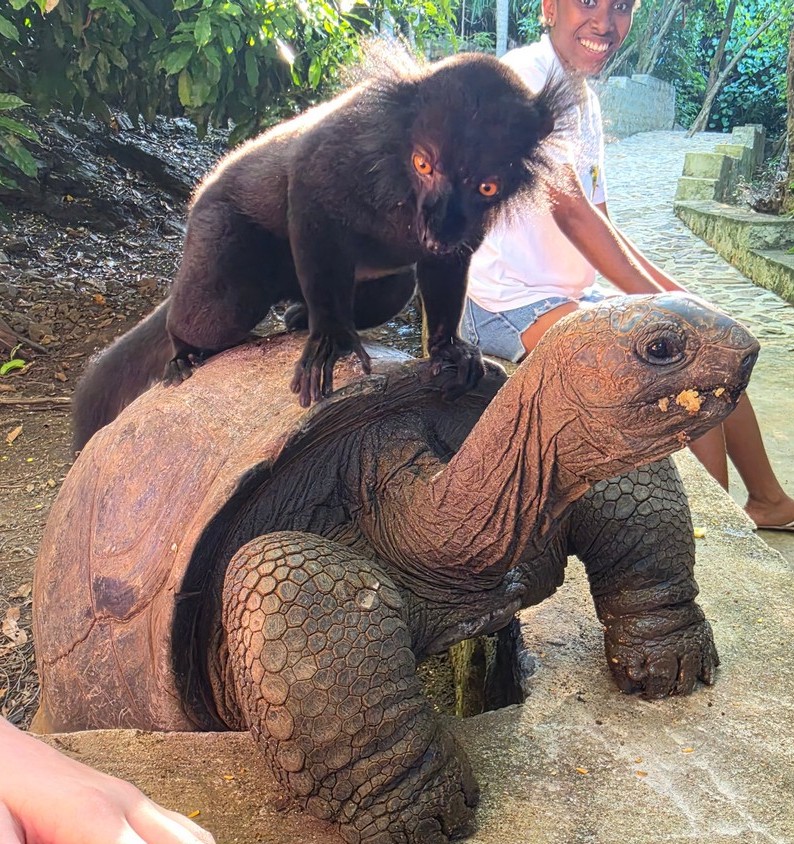
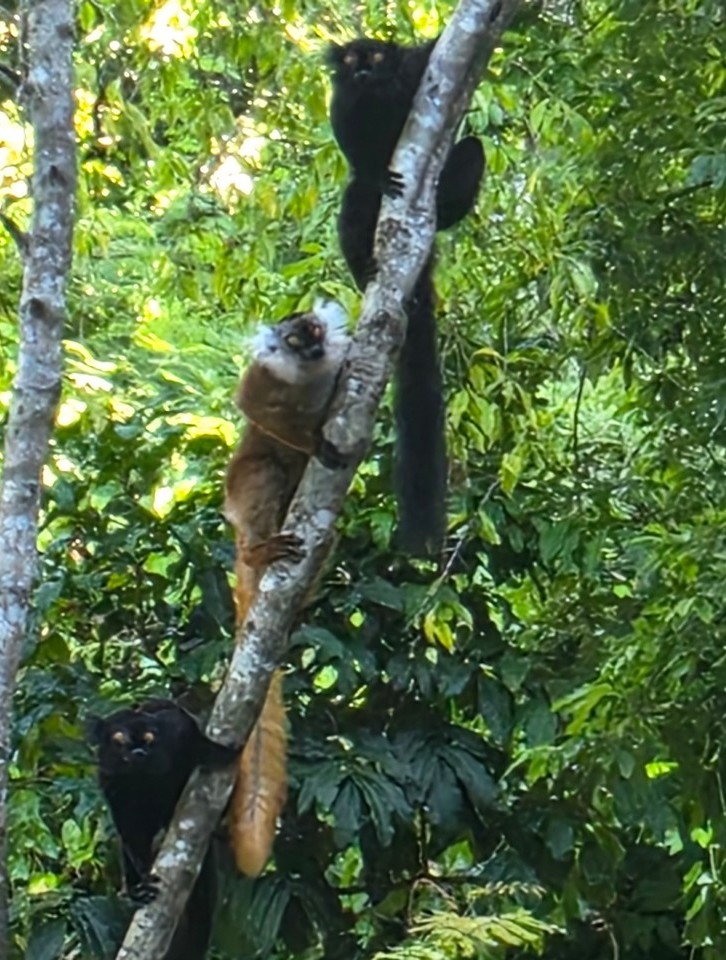
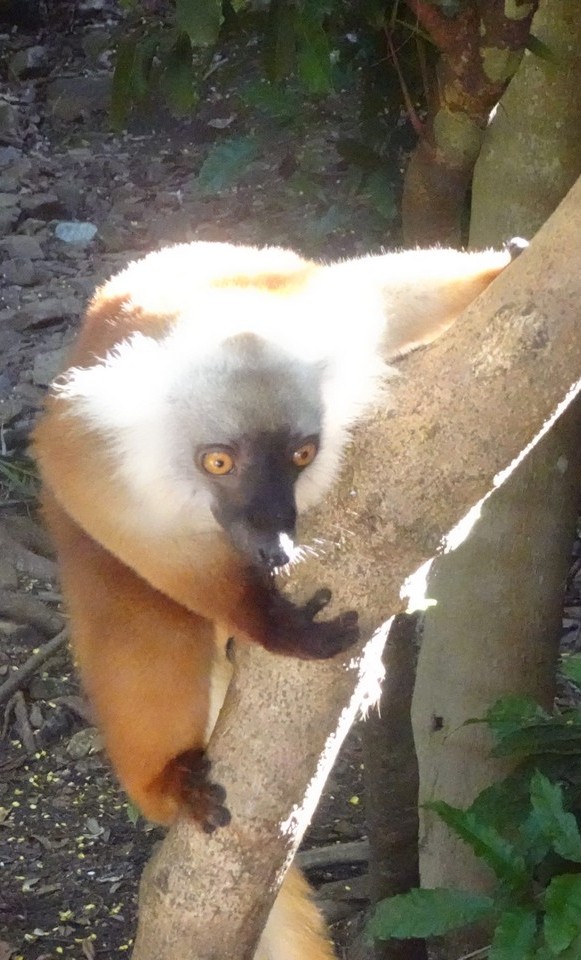
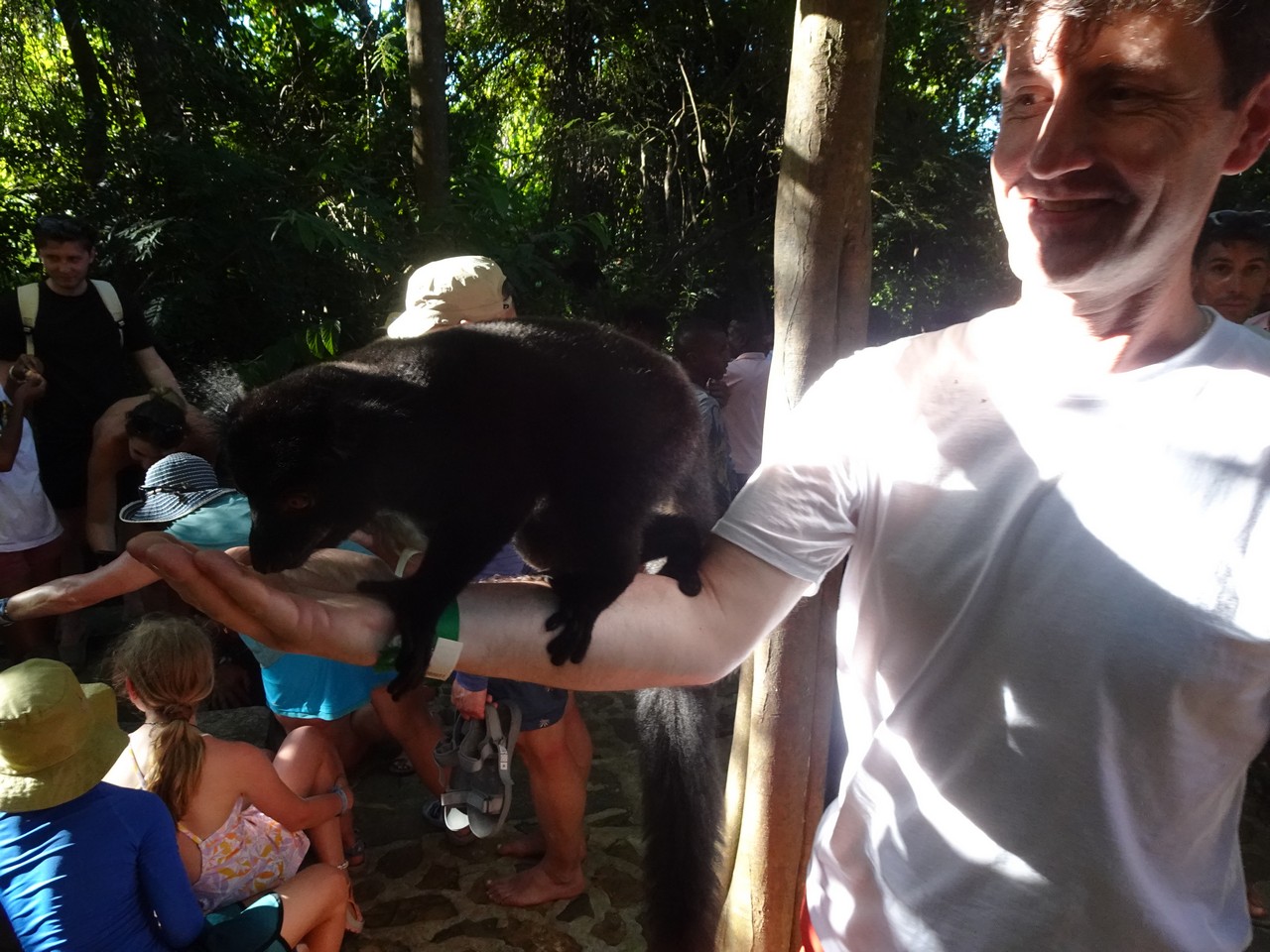
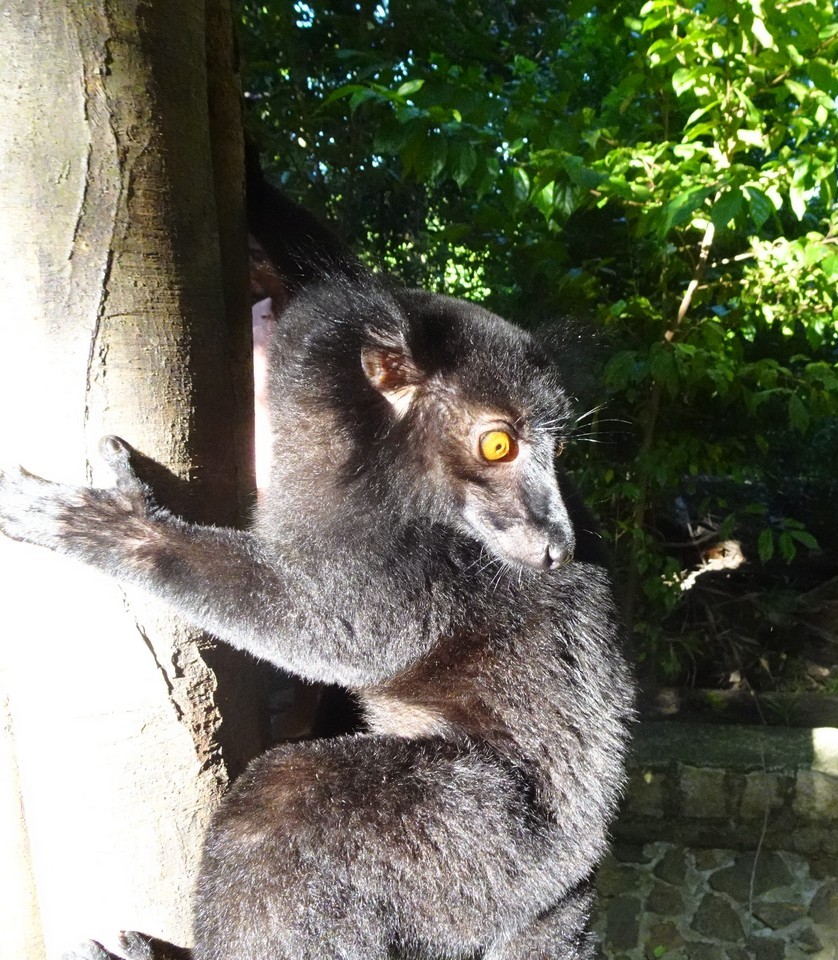
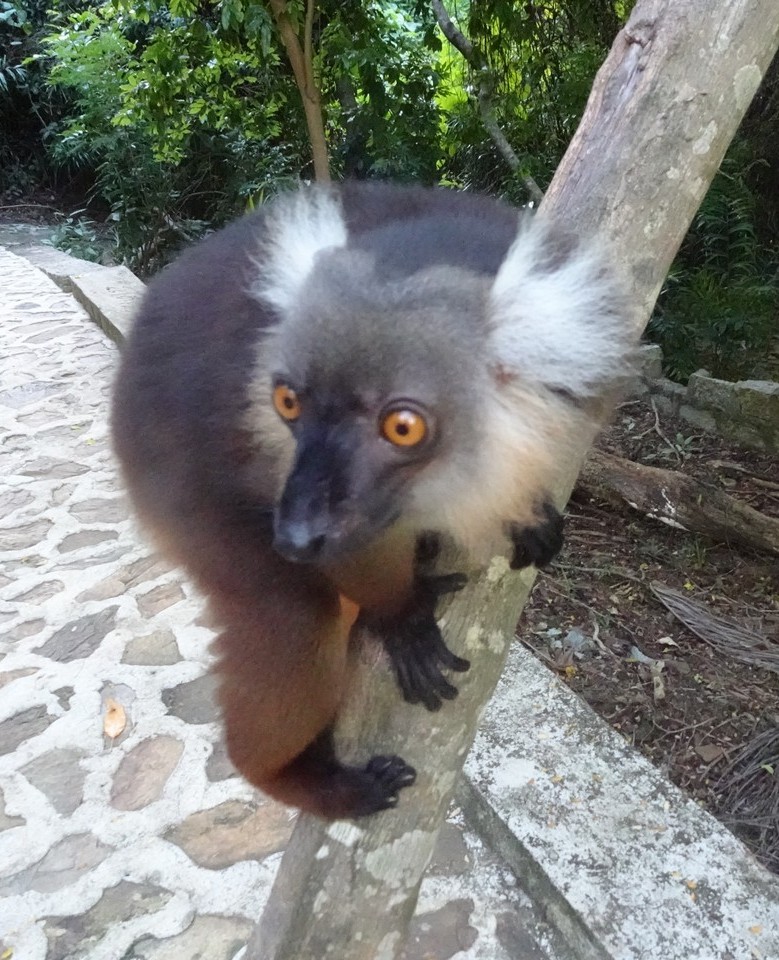
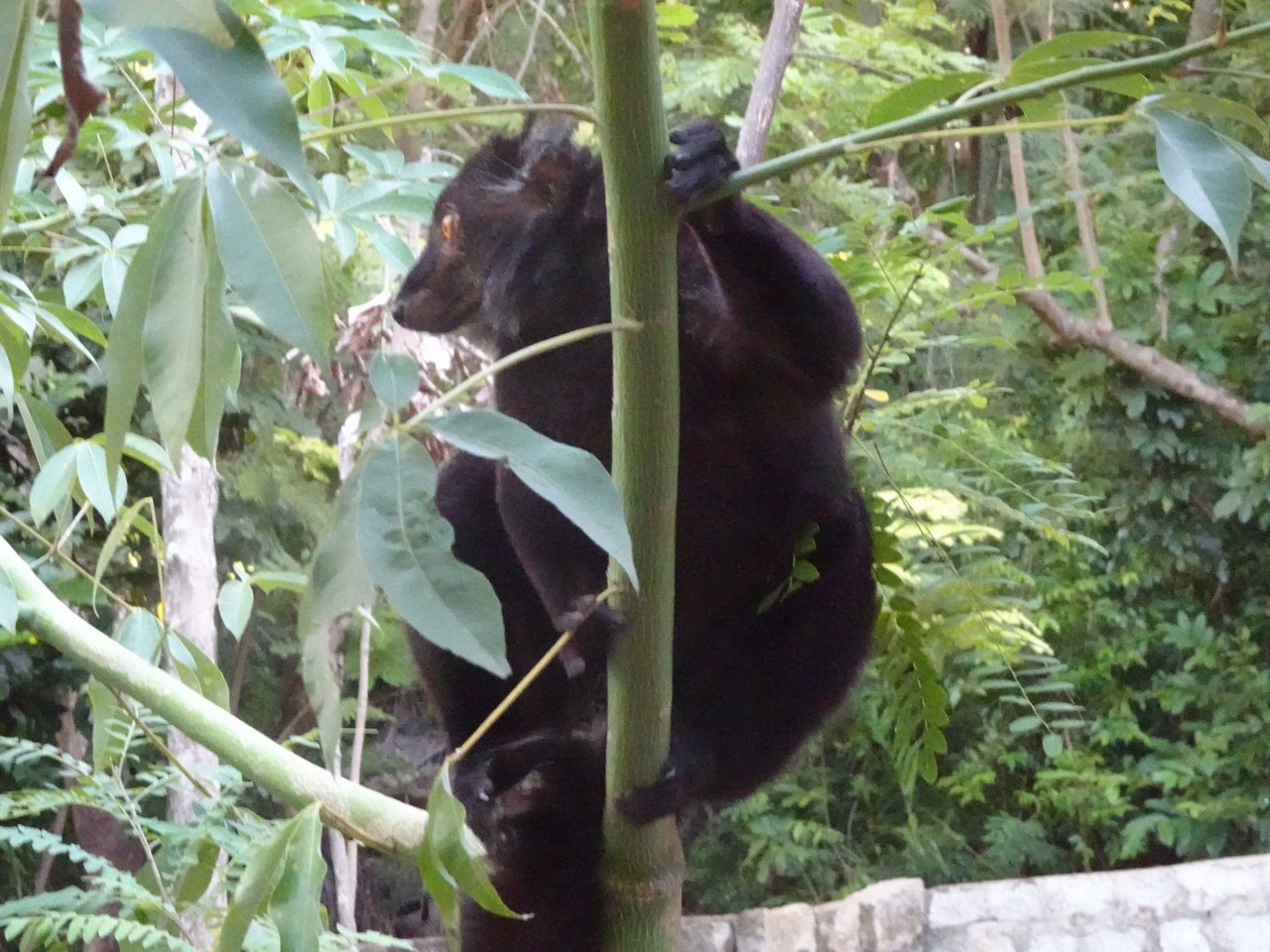
The most abundant species on the island is the black lemur (Eulemur macaco), also known as the maki macaco.
Here are the key facts:
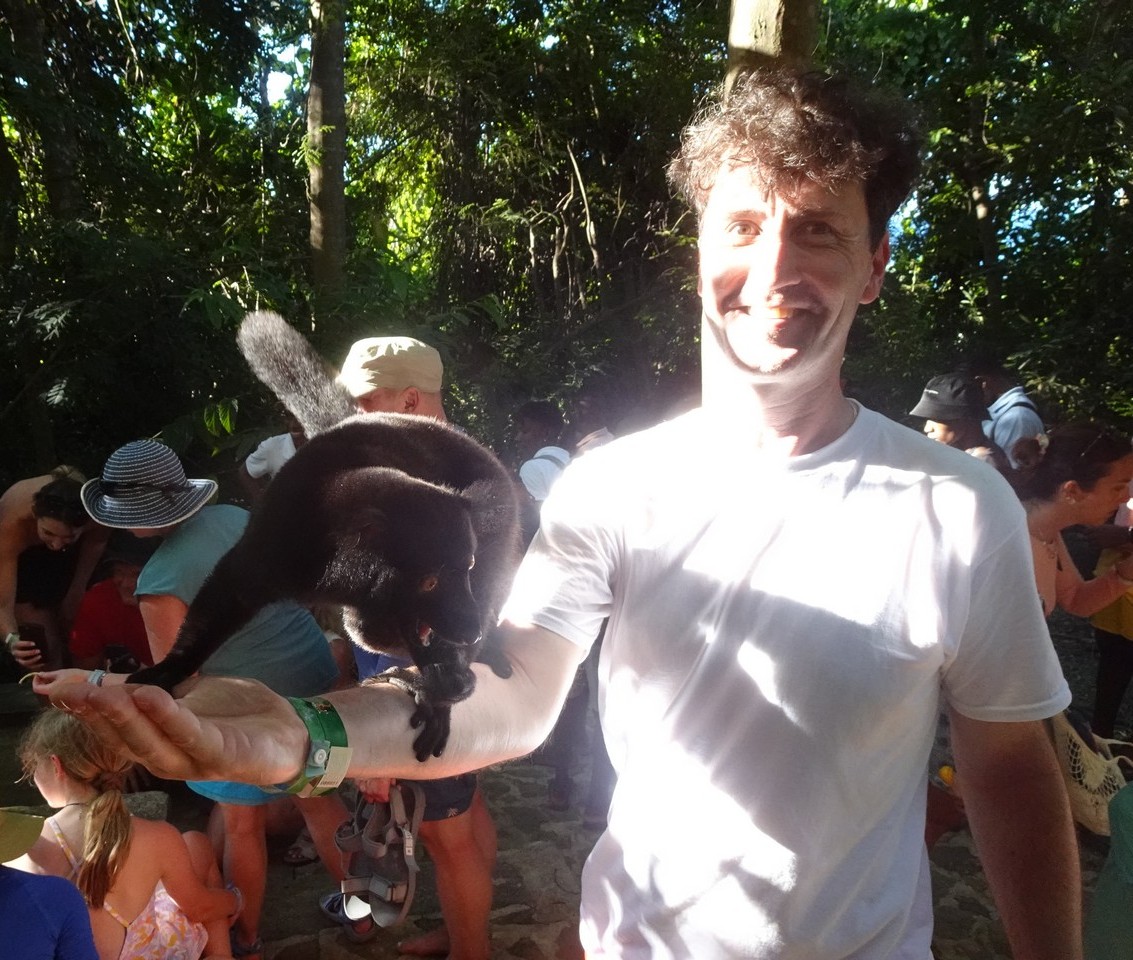
Main species: Black lemurs are the most tame and are usually the ones that greet tourists in the area around the village of Ampangorinana.
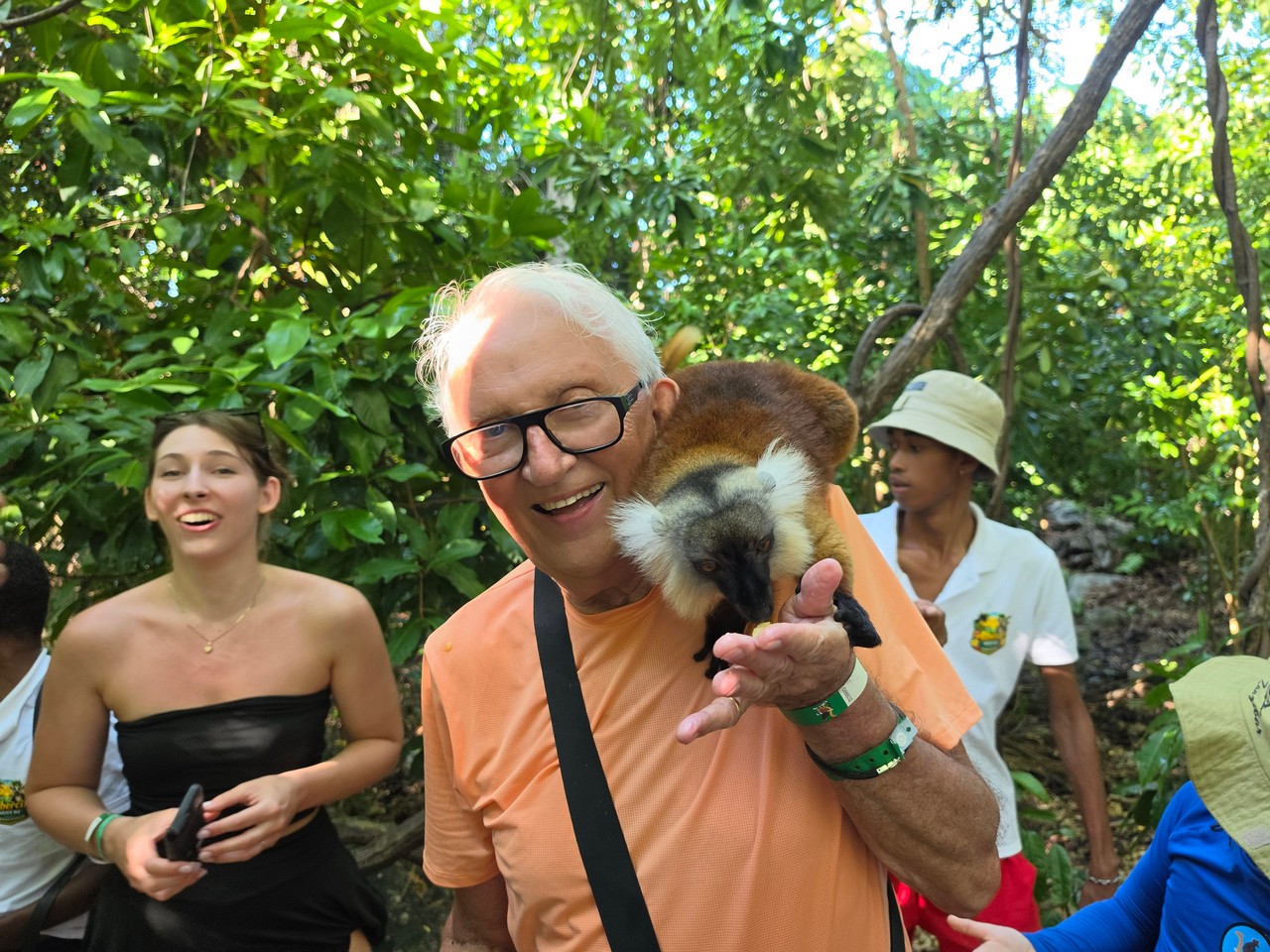
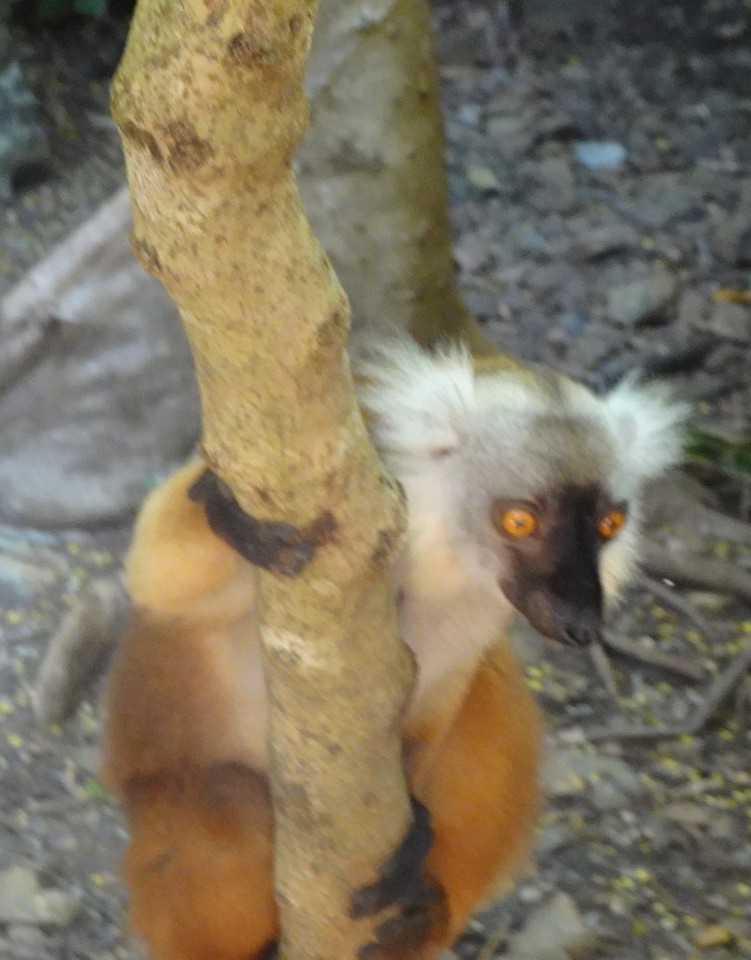
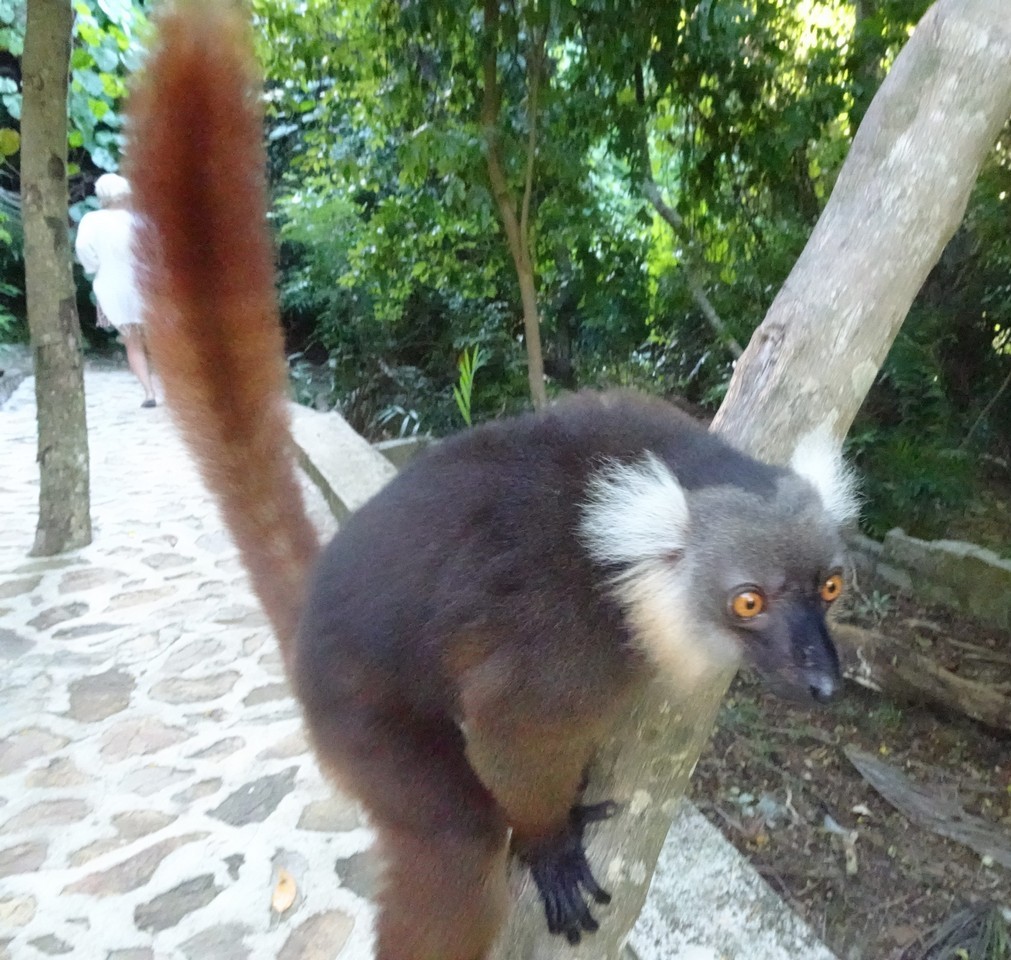
Sexual dimorphism: This species is unusual because the males are black, while the females have brown fur.
Other species: Other lemur species, including the red-tailed lemur, can also be found in some parts of the island.
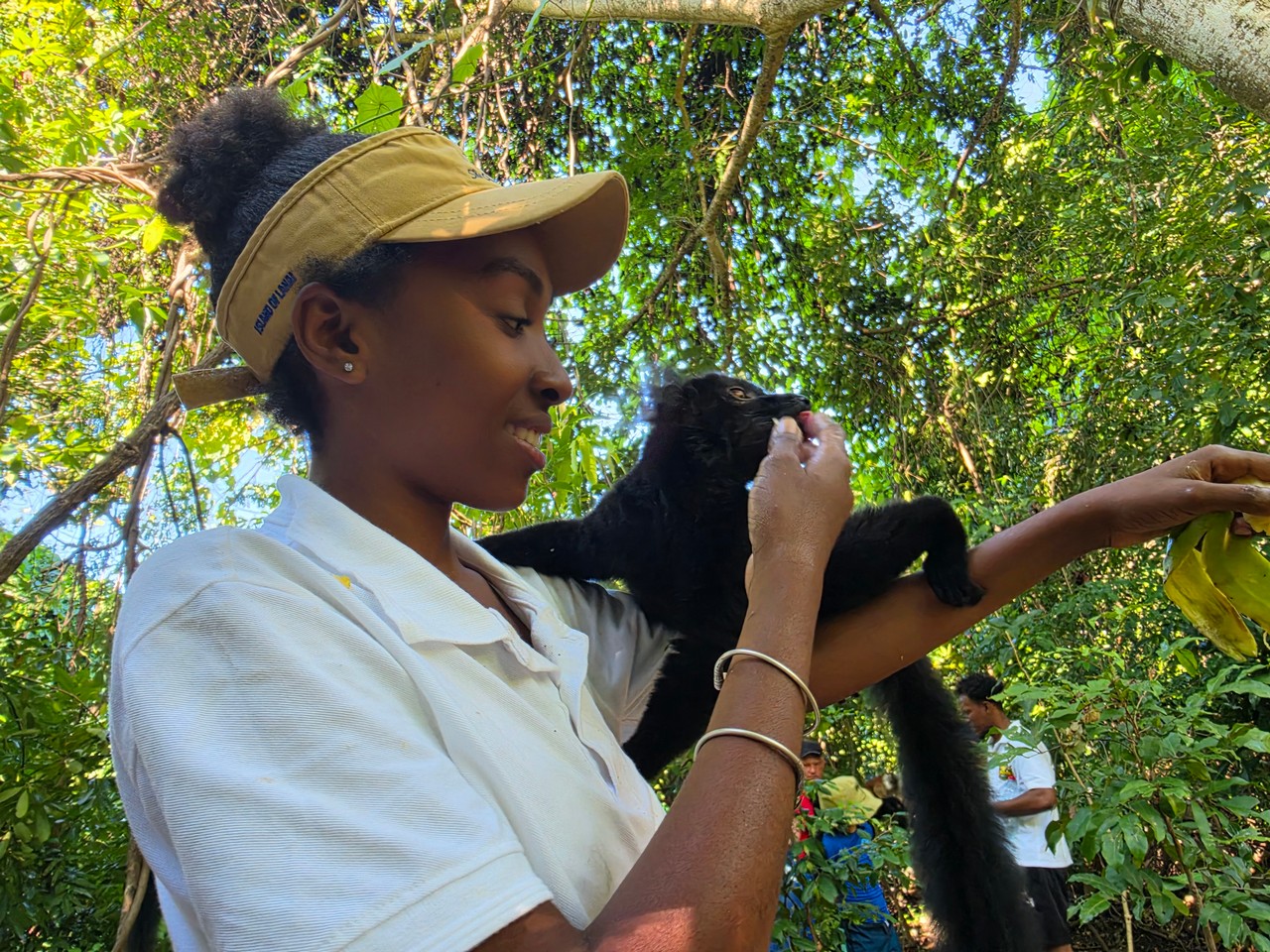
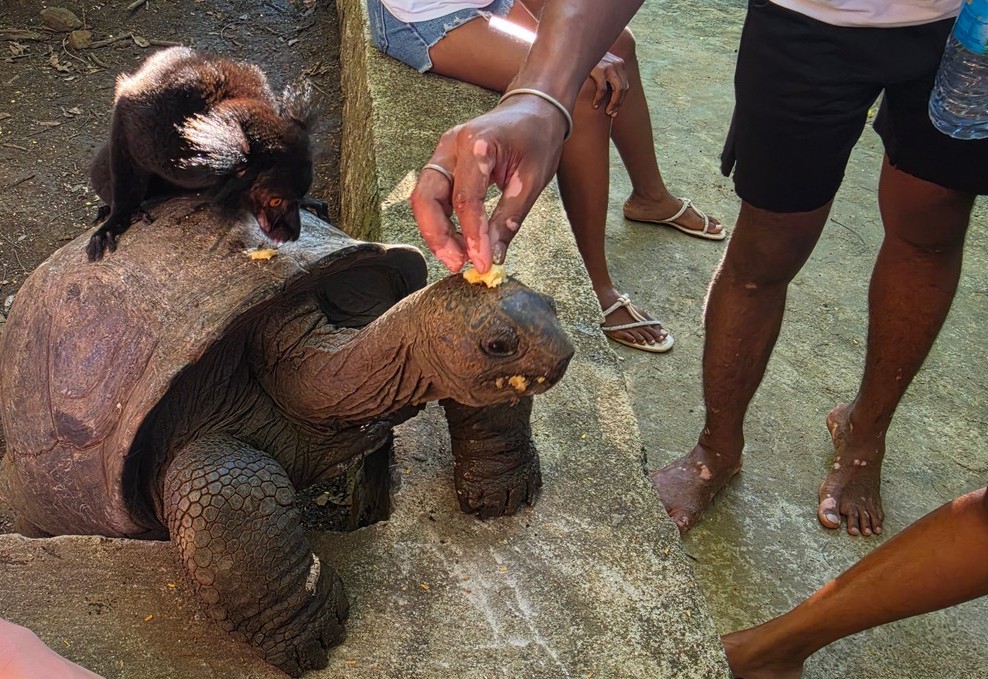
The lemurs on Nosy Komba are free-living, but they are accustomed to the presence of humans and often approach tourists for bananas.
Malagasy artisans set up their stalls along the long road up the hill – the village of Ampangorina is famous for its wooden sculptures, painted fabrics, and jewelry made from local materials. It's hard to resist the temptation of buying some original souvenirs here.
We're in a nature reserve – we can't use regular insect repellent because it's harmful to lemurs – we're given a special oil. Mosquitoes haven't bothered us.
The turtles (3) are kept in a fence and fed 4 kg of plantains per individual daily.
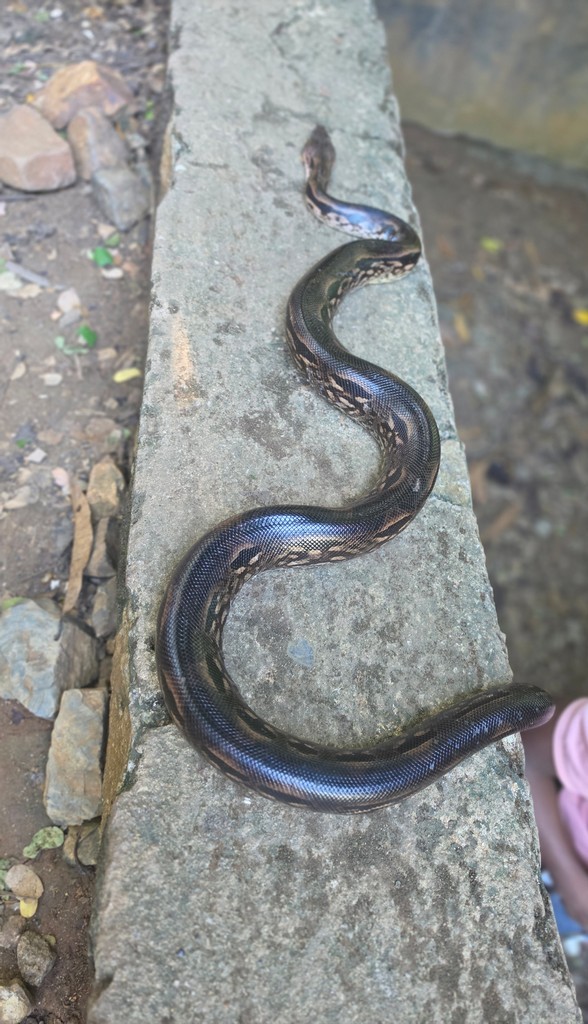
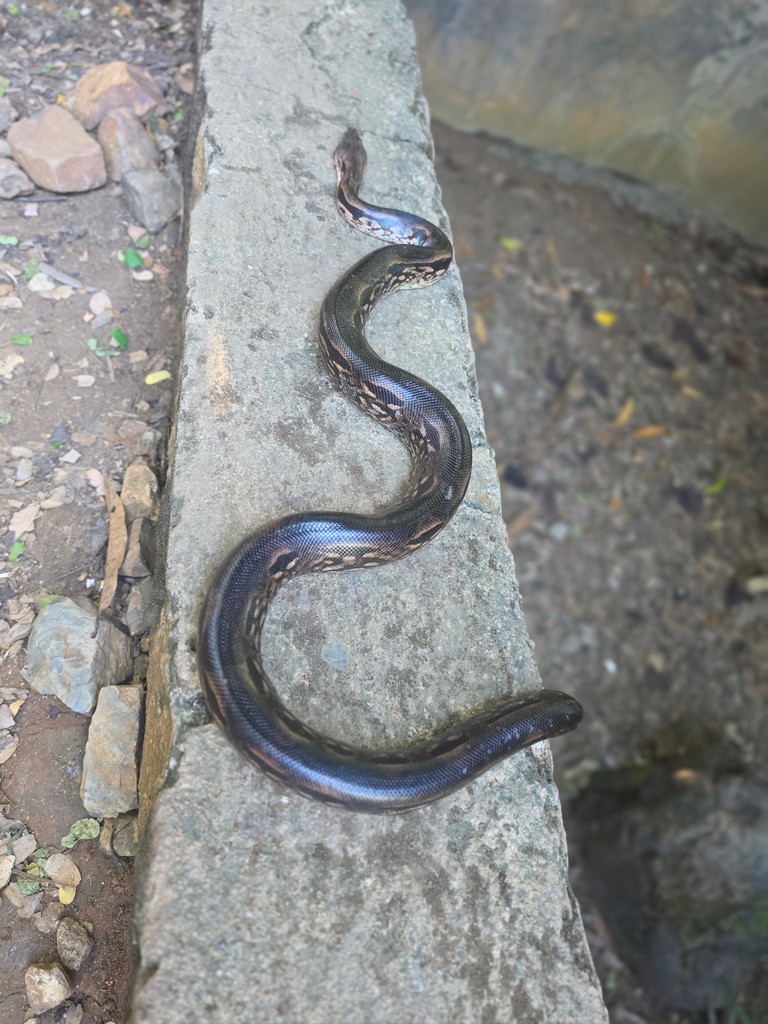
Two young boas are also protected and housed in a special concrete enclosure. The locals say that neither the turtles nor the boas would bother to escape, as nowhere else will they be as happy as here...