
The Mieczysław Karłowicz Szczecin Philharmonic is wrapping up its second season of outstanding concerts, about which it writes:
"The Monuments of Symphony concert series is aimed at those courageous and conscious adults who would like to discover the true meaning of the adverb "symphonically" (so popular in recent years) and to hear and understand the evergreens of orchestral work live. Each concert begins with a short, informal lecture introducing the composer and explaining the concept and form of the work." On Saturday, May 15th, we experienced Antonín Dvořák's Symphony No. 9.
Thanks to a superb lecture by the Philharmonic's director, Przemysław Neumann, we learned about this symphony, broken down into the musical and instrumental elements of each movement.

After the lecture, we heard the entire symphony, daringly conducted by director Neumann, from memory.
"Conducting from memory is leading an orchestra without the use of a score. It requires the conductor to have a perfect knowledge of every note, texture, and dynamic of the piece. Although it is very spectacular and allows for deep eye contact with the musicians, it can be challenging due to the risk of memory errors."
”Symphony No. 9 in E minor, "From the New World," Op. 95, from 1893, is the most famous and most frequently performed of all Dvořák's symphonies. (…)
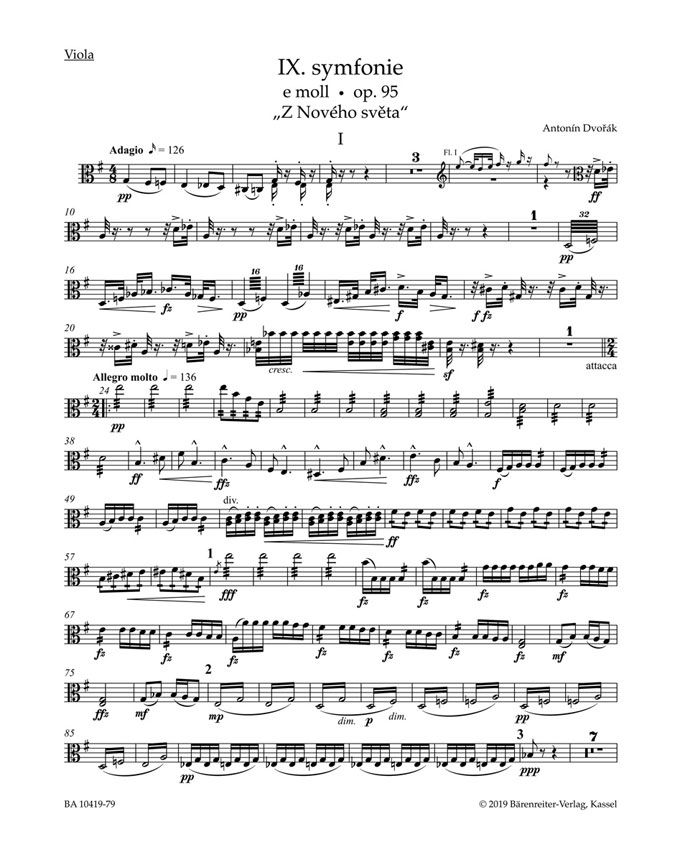
Dvořák composed this symphony during his stay in the United States from 1892 to 1895. In it, he sought to capture the character of late 19th-century America. The finale, with its fanfare theme, portrays the ever-evolving multicultural metropolis.
Antonín Dvořák (1841–1904) was one of the most outstanding Czech composers of the Romantic era and a leading representative of the Czech National School. In his work, he brilliantly combined Slavic melodicism and folk motifs with the traditions of Western European music.
Here is a link to a recording of the fourth movement of this symphony:
IX Symfonia