I've done a lot of reading online about the people of Madagascar and have prepared this short guide with basic information.
We're not travelling on the main island of this country, so the photos supporting the story are from the Internet.
Madagascar is inhabited by approximately 18 main ethnic groups, comprising the Malagasy, a mosaic of Austronesian (Indonesian – who arrived between the 7th and 13th centuries AD) and African (Bantu) origins.
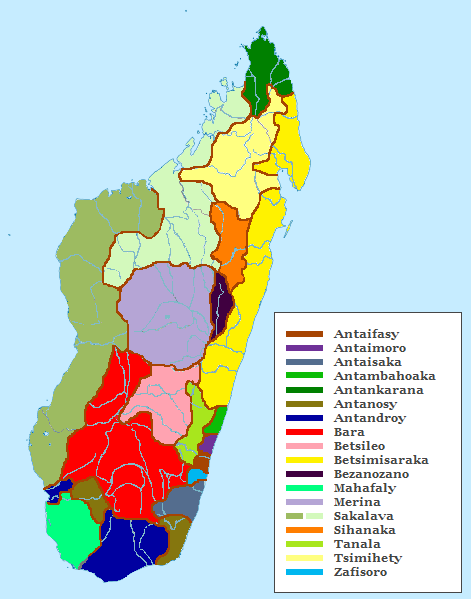
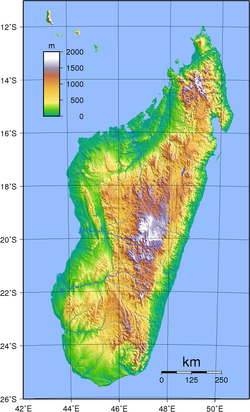
- Geographical division: Traditionally, a distinction is made between highland groups (e.g., the Merina) and coastal groups (the so-called Côtiers), which differ in culture and history.
- Minorities: Smaller groups of foreign origin also live on the island, including French, Indians, Chinese, and Pakistanis.
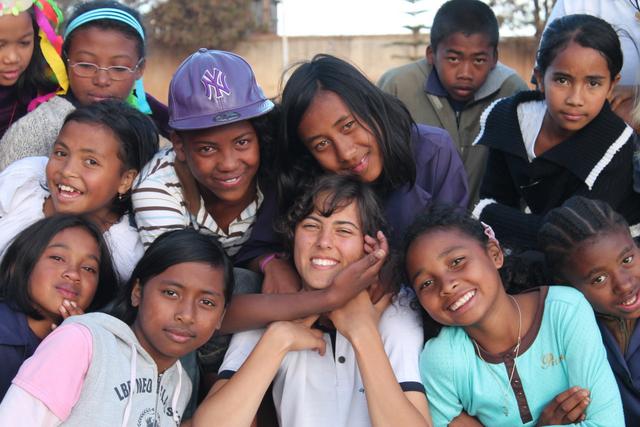
- Origin and Appearance: Highlanders have more pronounced Asian features (lighter complexion, straight hair) due to their strong Malay-Indonesian roots. Coastal peoples have more African features (darker complexion, curly hair), which is linked to their Bantu ancestry.
-
-
-
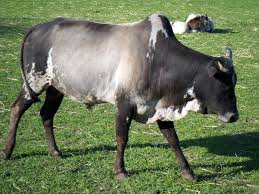
- Economy and Diet: In the highlands, terraced rice cultivation (Asian influence) predominates. On the coast, the diet is more diverse, including seafood, cassava, coconuts, and cattle herding (zebu), which has an almost sacred status in the south. Zebu herding provides meat, milk, and draft animals.
- Social Structure: Highland groups historically formed more hierarchical kingdoms with distinct caste divisions. Coastal peoples often retain a more tribal and dispersed system of organization.
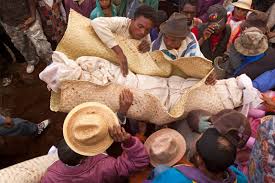
- Religion and Rituals: Although Christianity is widespread, highland groups are known for their Famadihana (rotating the bones of ancestors) ritual. On the coast, possession cults (e.g., Tromba) and taboos known as Fady (ghosts)are more prevalent, varying locally and regulating daily life.
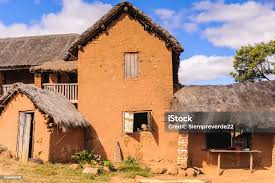
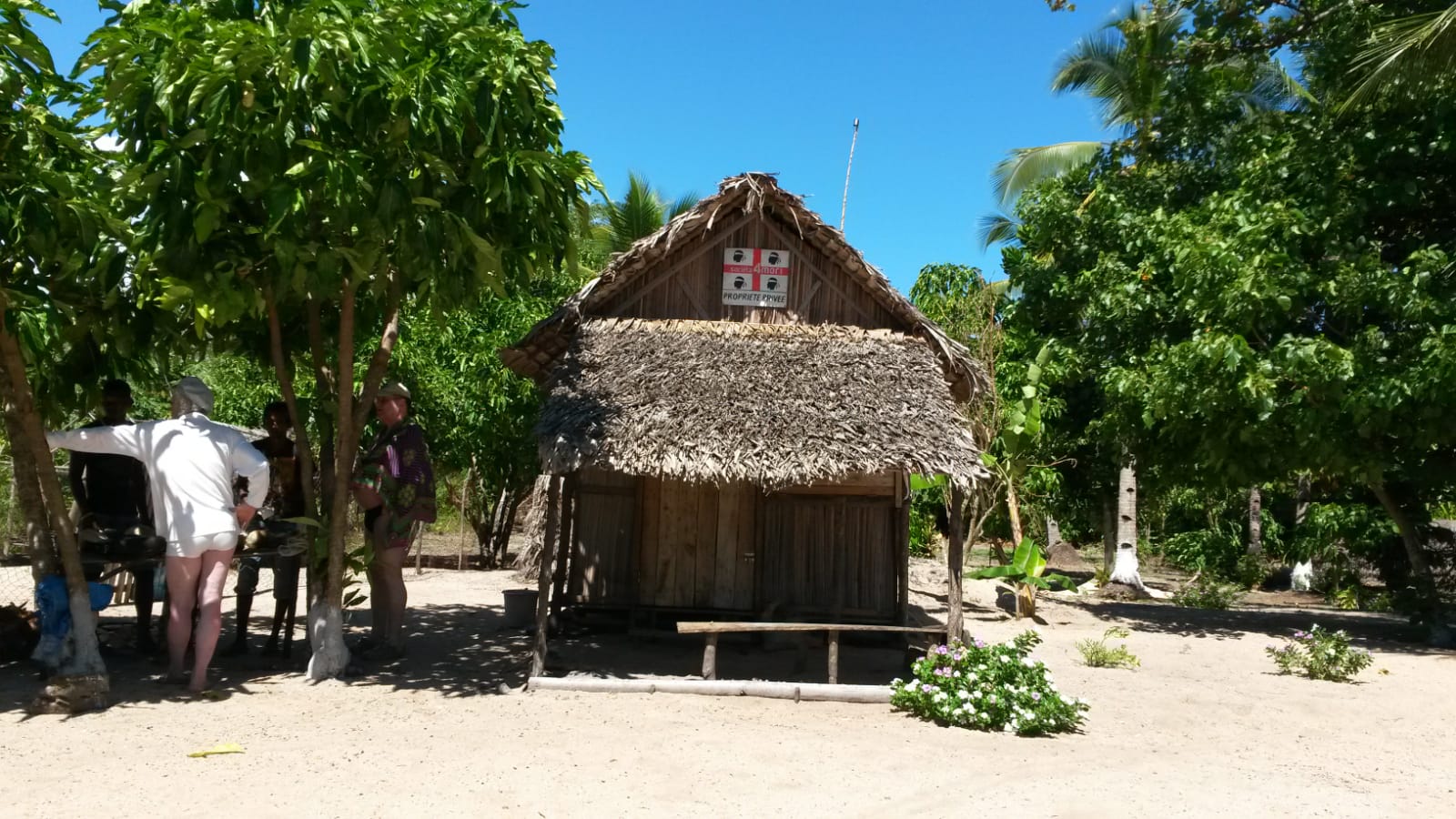
- Architecture: Traditional highland houses are built of brick and clay (often multi-story), while on the coast, lightweight structures of wood, straw, and palm leaves (adapted to the hot climate) predominate.